One of the fastest ways to become discouraged by a first vegetable garden is to start with crops that demand perfect timing, specialized conditions, or constant troubleshooting. Gardening becomes much easier when the first season includes vegetables that germinate reliably, grow quickly, tolerate small mistakes, and provide enough harvest to make the effort feel worthwhile.
That does not mean there is such a thing as a completely foolproof vegetable. Weather can still turn unusually hot or cold, insects can appear, soil can become waterlogged, and even easy crops can fail if they are planted at the wrong time or receive too little sunlight. The advantage of beginner-friendly vegetables is that they usually have a wider margin for error.
Some crops are easy because they grow fast. Radishes can move from seed to harvest quickly enough that beginners see results before patience runs out. Others are reliable because they produce repeatedly, such as bush beans, zucchini, cucumbers, and leafy greens. Herbs and green onions can be harvested gradually, while crops such as potatoes provide one larger harvest after a relatively straightforward growing period.
The best beginner garden usually includes a mix of both fast and slow crops. Quick crops keep the garden rewarding, while longer-season vegetables teach you about watering, support, pests, and harvesting over time.
The most important thing is not growing the largest possible variety of vegetables. It is choosing enough crops that the garden feels productive without becoming difficult to manage. A first garden with five or six well-chosen vegetables can teach more than a crowded plot containing twenty crops competing for space. The seventeen vegetables below are good starting points because they are generally straightforward, productive, and useful in a home kitchen when matched to the right climate and season.
1. Radishes
Radishes are one of the best vegetables for beginners because they grow quickly and require very little garden space. Many varieties mature in only a few weeks, which makes them ideal for gardeners who want to see an obvious result soon after planting.
They grow best in loose soil that allows the roots to expand easily. Compacted soil can lead to oddly shaped roots, while excessive nitrogen can encourage leafy tops at the expense of the radish itself. Consistent moisture also helps the roots grow evenly and prevents them from becoming excessively woody or splitting.
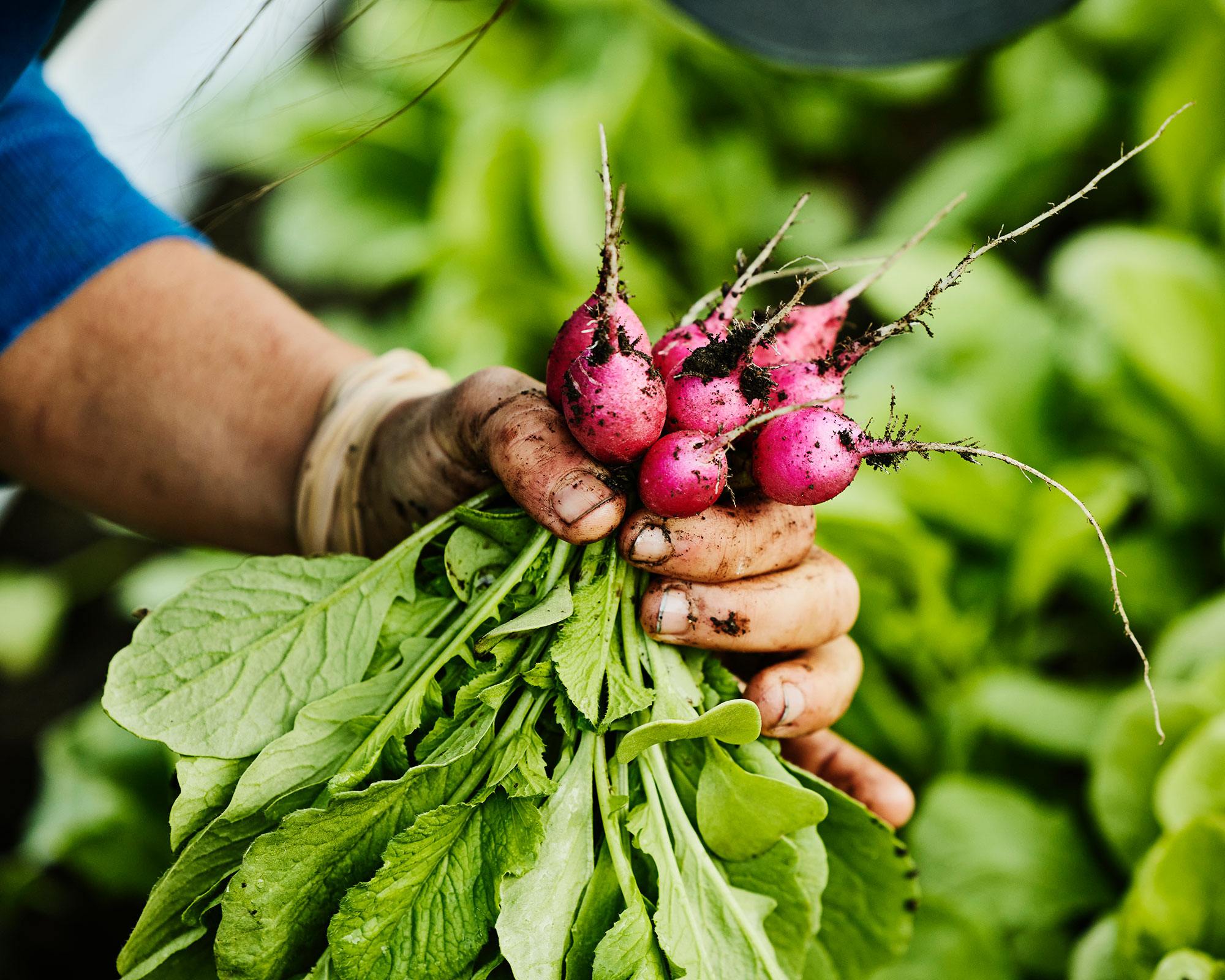
Radishes are cool-season vegetables, so they generally perform best in spring or autumn rather than during intense summer heat. In warm conditions, they may bolt or become unusually strong in flavor.
Because they mature so quickly, radishes are excellent for succession planting. Instead of sowing the entire packet at once, plant a small row every one or two weeks during suitable weather, so harvests arrive gradually.
Best For
Beginners who want a fast harvest, compact gardens, raised beds, and succession planting.
Common Beginner Mistake
Leaving radishes in the soil too long. Once they reach usable size, harvesting promptly usually gives better texture.
2. Leaf Lettuce
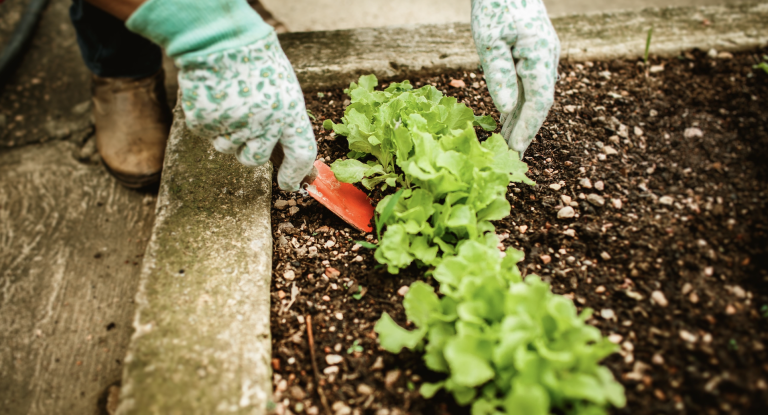
Leaf lettuce is easier for beginners than wide head-forming varieties because you do not need to wait for a perfect compact head before harvesting. Individual outer leaves can be picked as needed while the center continues growing.
This makes lettuce especially useful in a small garden. A relatively small planting can provide repeated harvests for salads and sandwiches rather than producing one large crop all at once.
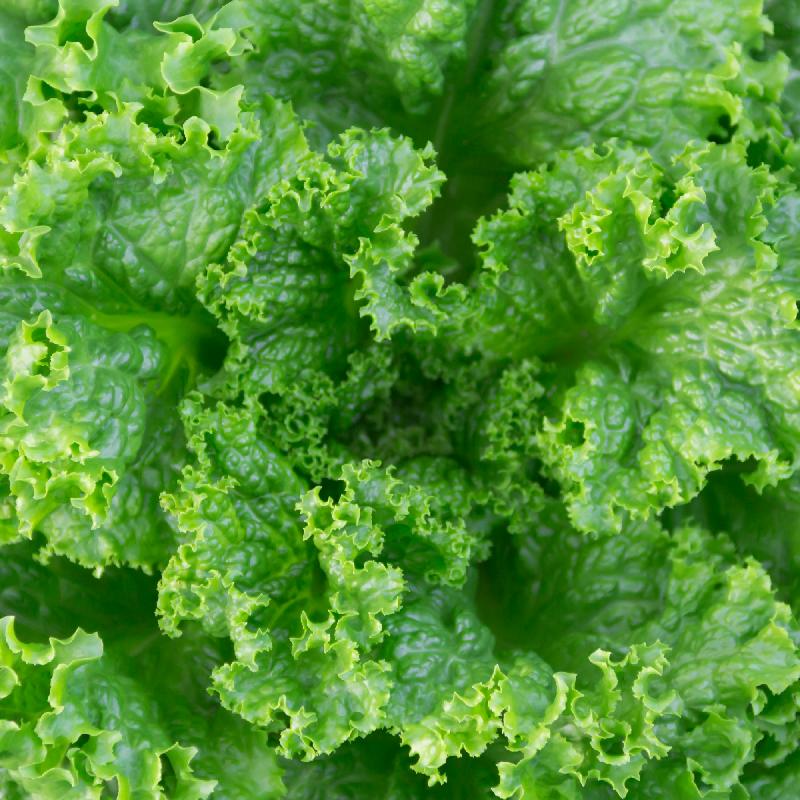
Lettuce prefers cooler conditions, and excessive heat can cause it to bolt, meaning the plant sends up a flower stalk and the leaves often become more bitter. In warm climates, lettuce is usually better treated as a spring, autumn, or winter crop rather than a midsummer vegetable.
Consistent moisture helps keep growth tender. Soil that repeatedly dries out can stress the plants and contribute to poor quality. Partial afternoon shade can sometimes help extend the harvest in warmer weather, especially where summers become intense.
Best For
Raised beds, containers, cool-season gardens, and gardeners who want repeated harvests.
Harvest Tip
Pick the outer leaves first and leave the growing center intact if you want continued production.
3. Bush Beans
Bush beans are one of the most dependable beginner crops because they grow quickly, require no tall trellis, and can produce heavily from a small patch. Unlike pole beans, which climb several feet and require vertical support, bush varieties remain relatively compact. This makes them particularly easy to manage in raised beds and smaller gardens.
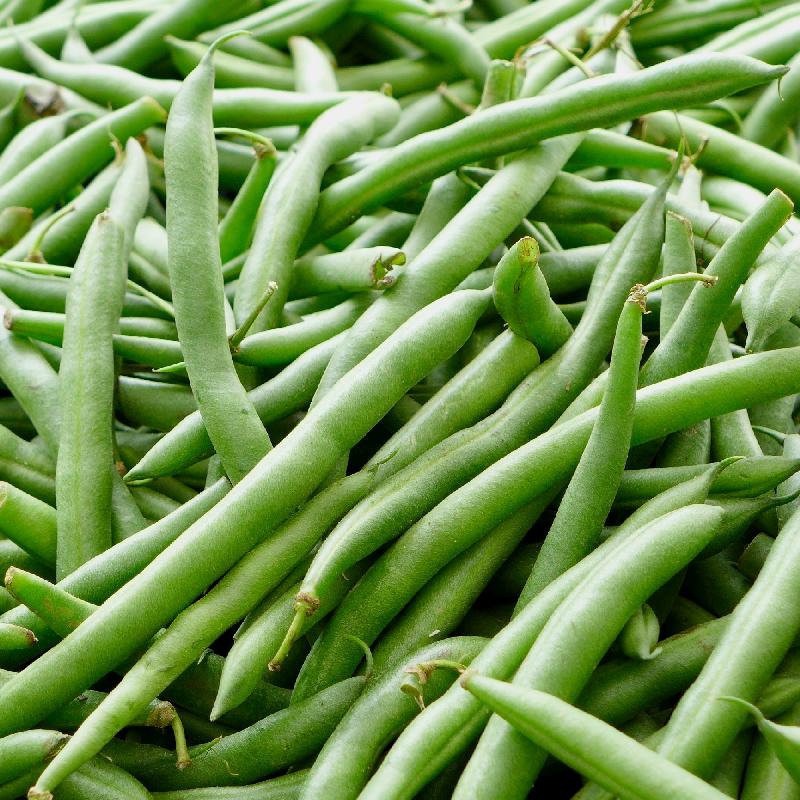
Beans prefer warm soil and should generally be planted after cold conditions have passed. Once established, they grow rapidly. Regular harvesting encourages the plants to continue producing rather than putting all their energy into maturing older pods.
One of the most common mistakes is waiting too long to pick. Young beans are usually more tender, while older pods can become fibrous and develop larger seeds. Beans also germinate best when soil is not constantly saturated. Keeping the bed evenly moist without making it waterlogged is a good goal.
Best For
First-time gardeners, raised beds, compact gardens, and anyone who wants a productive crop without building a trellis.
4. Green Onions
Green onions are one of the easiest crops to fit into a beginner garden because they require very little room and can be harvested gradually. They work well along bed edges, between slower-growing vegetables, or in containers. Unlike large storage onions, which require more time and space to develop full bulbs, green onions are harvested while still young.
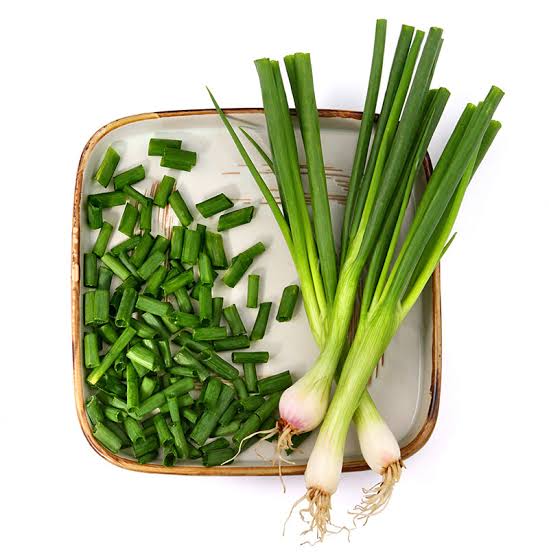
Seeds or small starts can be planted relatively close together because the goal is not producing enormous bulbs. Once the stems reach a useful size, individual plants can be pulled as needed. Green onions also tolerate cool weather better than many summer vegetables, which makes them useful during shoulder seasons when tomatoes and cucumbers are not yet ready to grow. Keep the soil reasonably moist during establishment, especially while seedlings are small.
Best For
Small beds, containers, garden edges, and cooks who use onions frequently.
5. Zucchini
Zucchini has a reputation for overwhelming gardeners with produce, which is exactly why it can be a great beginner vegetable when enough space is available. One healthy plant can produce repeatedly during warm weather, so beginners often need far fewer plants than they imagine. Two productive plants may already provide more zucchini than a small household uses regularly.
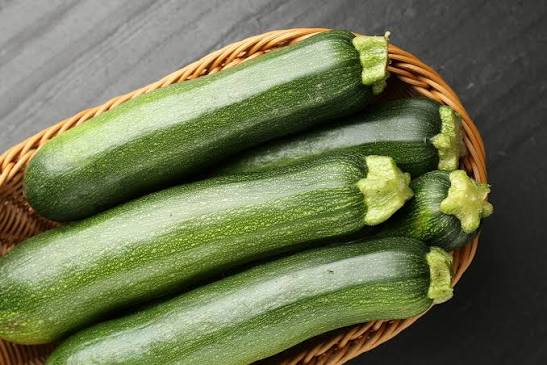
The biggest challenge is size. Zucchini seedlings look compact when planted but develop into large plants with broad leaves. Give them enough room from the beginning so they do not smother nearby vegetables.
Flowers and young fruit should be checked often because zucchini grows quickly. Harvesting while the fruit is still relatively young usually gives better texture and keeps the plant producing. Powdery mildew and squash pests can appear depending on region and weather, but healthy spacing and regular inspection make problems easier to notice early.
Best For
Sunny gardens with enough space, beginners who want a high-yield crop, and gardeners willing to harvest frequently.
Common Beginner Mistake
Planting several zucchini plants too close together because the seedlings look small.
6. Cucumbers
Cucumbers are fast-growing and productive, making them rewarding for beginners, especially when they are trained vertically. Vining cucumbers can occupy a surprising amount of ground if left to spread freely. A simple trellis keeps the vines off pathways, makes the fruit easier to find, and uses vertical space more efficiently.
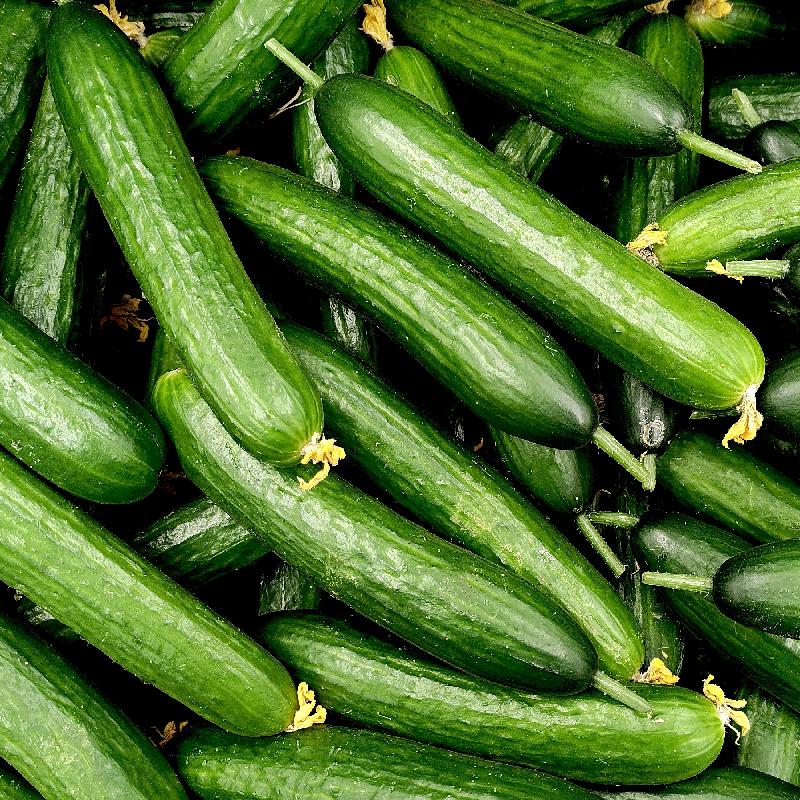
Cucumbers prefer warm conditions and consistent moisture. Irregular watering can stress the plants and may contribute to misshapen or poor-quality fruit.
Harvest frequently once production begins. Cucumbers can become oversized and seedy quickly, and leaving mature fruit on the vine for too long can reduce continued production. Bush varieties are available for containers and very small spaces, while vigorous vining varieties work well on panels, arches, or A-frame trellises.
Best For
Vertical gardens, raised beds, trellises, and gardeners who want repeated summer harvests.
7. Cherry Tomatoes
Tomatoes require more attention than radishes or lettuce, but cherry tomatoes are often among the most forgiving and rewarding choices for beginners because wide varieties produce heavily and ripen relatively quickly. Indeterminate cherry tomatoes can grow tall and continue producing throughout the season, so they need strong support. A sturdy cage, trellis, stake, or string system should be installed early rather than after the plant becomes tangled.
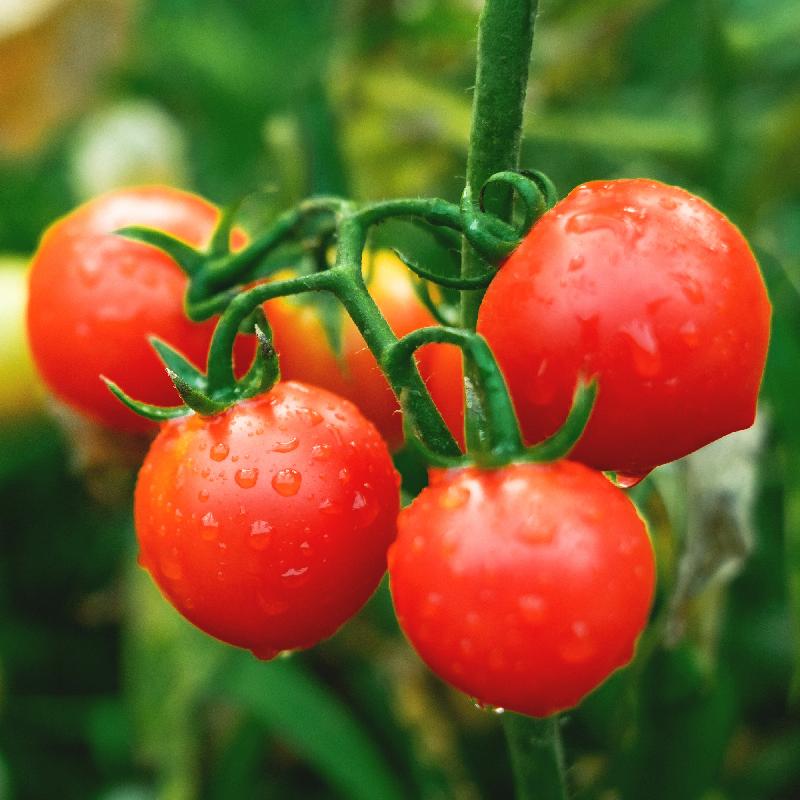
Tomatoes prefer strong sun, warm conditions, and consistent watering. Irregular moisture can contribute to fruit cracking and other problems, although variety and weather also matter. Cherry tomatoes are easy to harvest and useful in salads, pasta, sauces, roasting, and snacks. Because dozens of small fruits can ripen from one plant, even one or two healthy plants can provide a meaningful harvest. For very small spaces, compact or determinate cherry varieties are worth considering.
Best For
Sunny gardens, patio containers, gardeners who want a long summer harvest, and anyone willing to provide support.
8. Kale
Kale is a useful beginner crop because it tolerates cooler weather, provides repeated harvests, and can remain productive for a long period under suitable conditions. Instead of harvesting the whole plant, remove mature outer leaves and allow the center to continue producing. This makes one kale plant useful over many weeks.
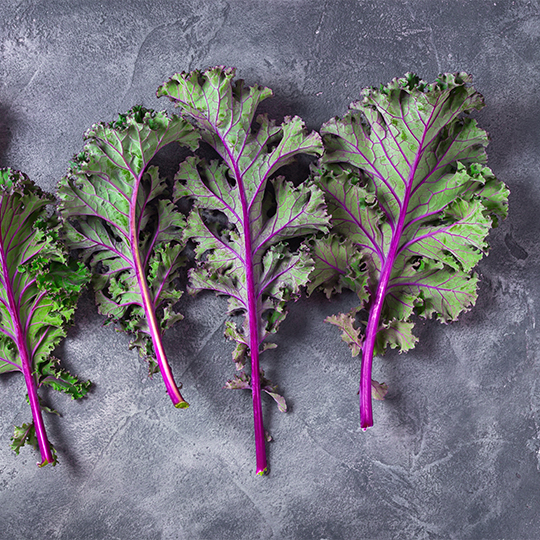
Kale grows best with good soil fertility and steady moisture. It can tolerate some cold weather better than most warm-season vegetables, making it useful before or after the summer garden. One challenge is leaf-eating pests. Caterpillars and other insects may target kale and related brassicas, so check the undersides of leaves regularly. Harvesting younger leaves gives a more tender texture, while older leaves can become larger and stronger in flavor.
Best For
Cool-season gardens, repeated harvesting, and gardeners who want a hardy leafy vegetable.
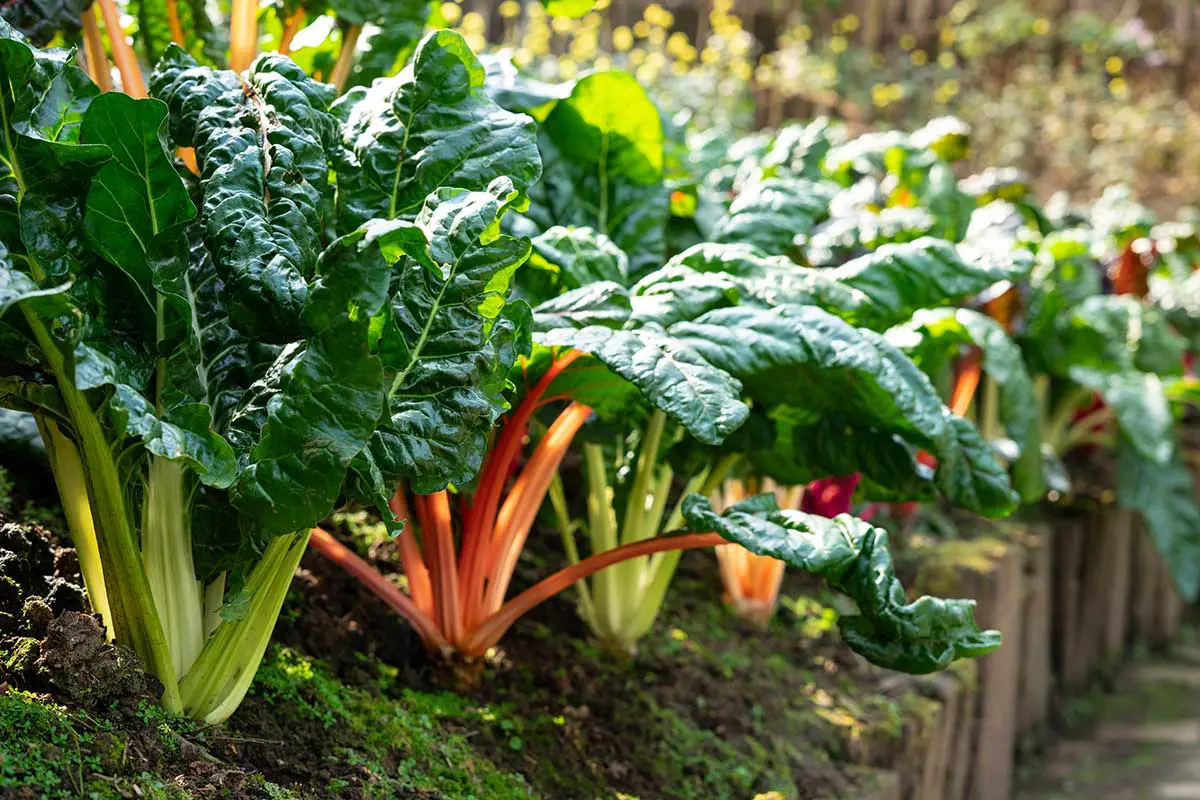
9. Swiss Chard
Swiss chard is another excellent leafy crop for beginners because it tolerates a wider range of conditions than some delicate greens and can be harvested repeatedly.
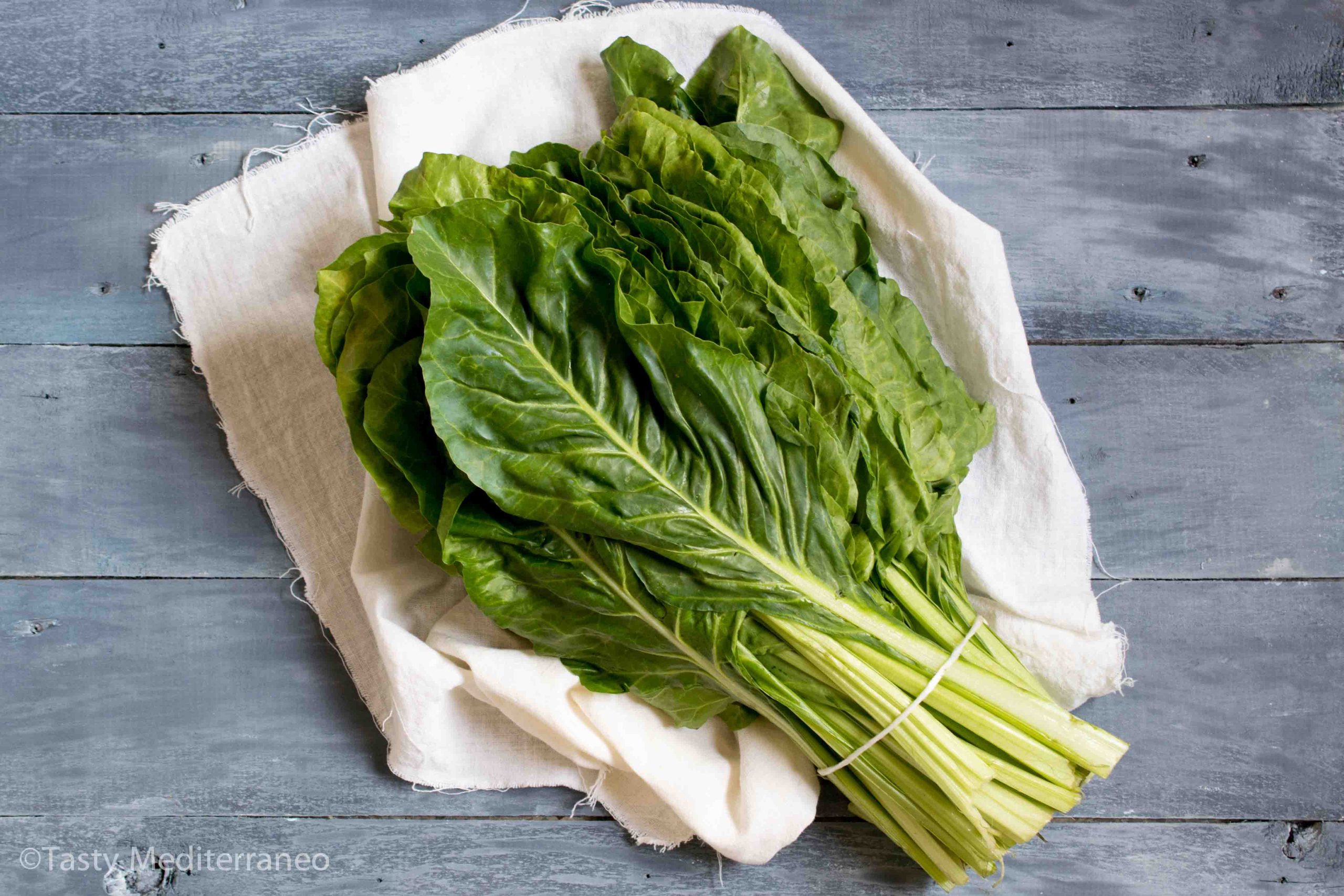
Its large leaves and colorful stems also make it attractive enough to include in edible landscaping. Bright red, yellow, orange, and white stalks can add visual interest to a small garden. Like kale, chard can be harvested by removing outer leaves first. The plant continues producing from the center when conditions remain suitable.
Chard handles warmer temperatures better than lettuce and spinach, making it useful when cool-season greens begin struggling. Consistent watering helps the leaves remain tender, and occasional removal of damaged or overly old leaves keeps plants productive.
Best For
Beginners who want a long-season leafy vegetable, edible landscaping, and colorful garden beds.
10. Peas
Peas are one of the easiest cool-season climbing crops for beginners. They germinate readily in suitable cool conditions and provide an early harvest before many summer vegetables have even begun producing. Most peas benefit from support, although the structure can be much lighter than what is needed for tomatoes or cucumbers. Netting, thin wire, branches, or a small trellis can give the tendrils something to climb.
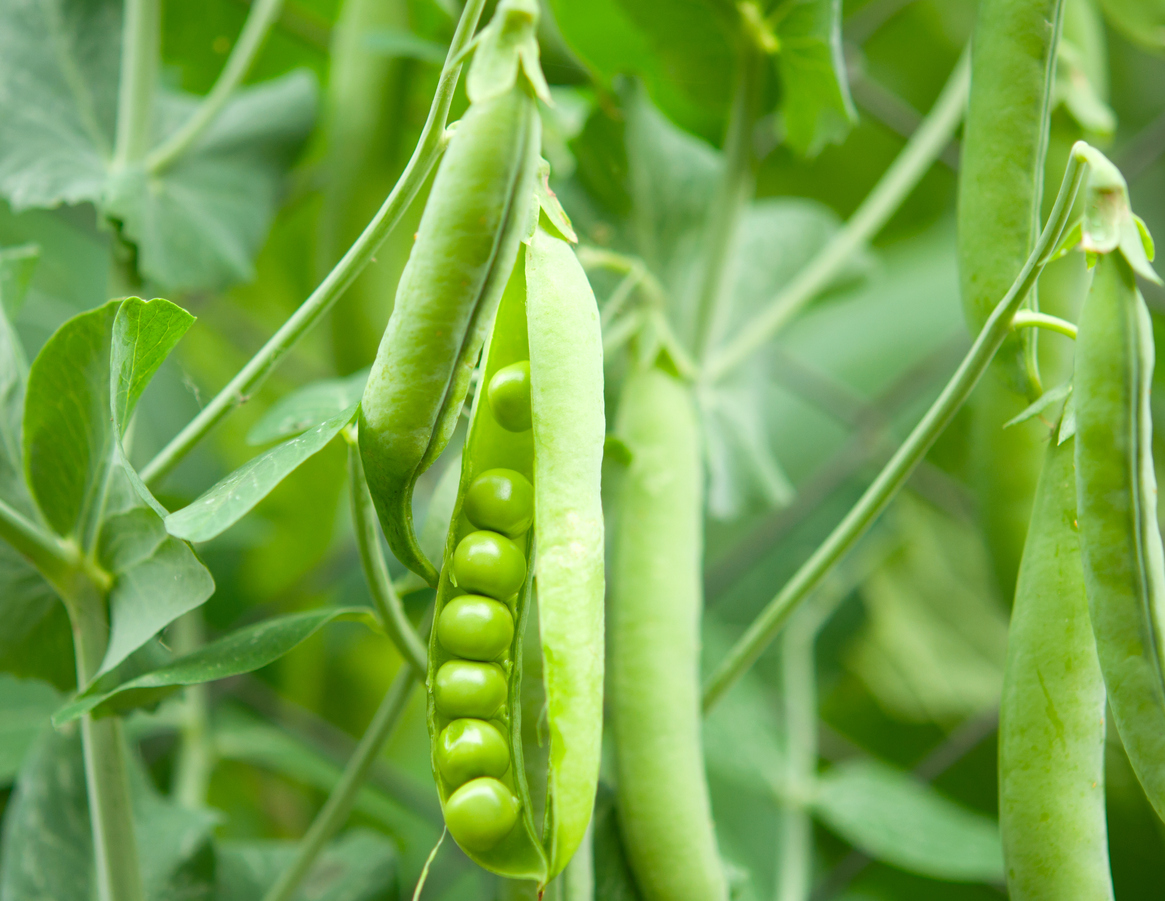
Peas dislike intense heat, so timing matters. Planting too late in spring can result in plants encountering hot weather before they have produced well.
Regular harvesting helps keep production moving. Pods left to become fully mature on the vine signal the plant that reproduction is nearing completion. When the crop finishes, the trellis can be reused for beans, cucumbers, or another warm-season climber depending on the garden plan.
Best For
Early spring or cool-season gardens, trellises, succession planting, and gardeners who want a crop before summer.
11. Carrots
Carrots are slightly more demanding during germination than some other beginner vegetables, but once they are established, they are relatively straightforward and incredibly satisfying to harvest. The most important factor is soil texture. Carrots grow best in loose soil without stones, dense clods, or severe compaction. Heavy or rocky soil can cause forked, twisted, or stunted roots.
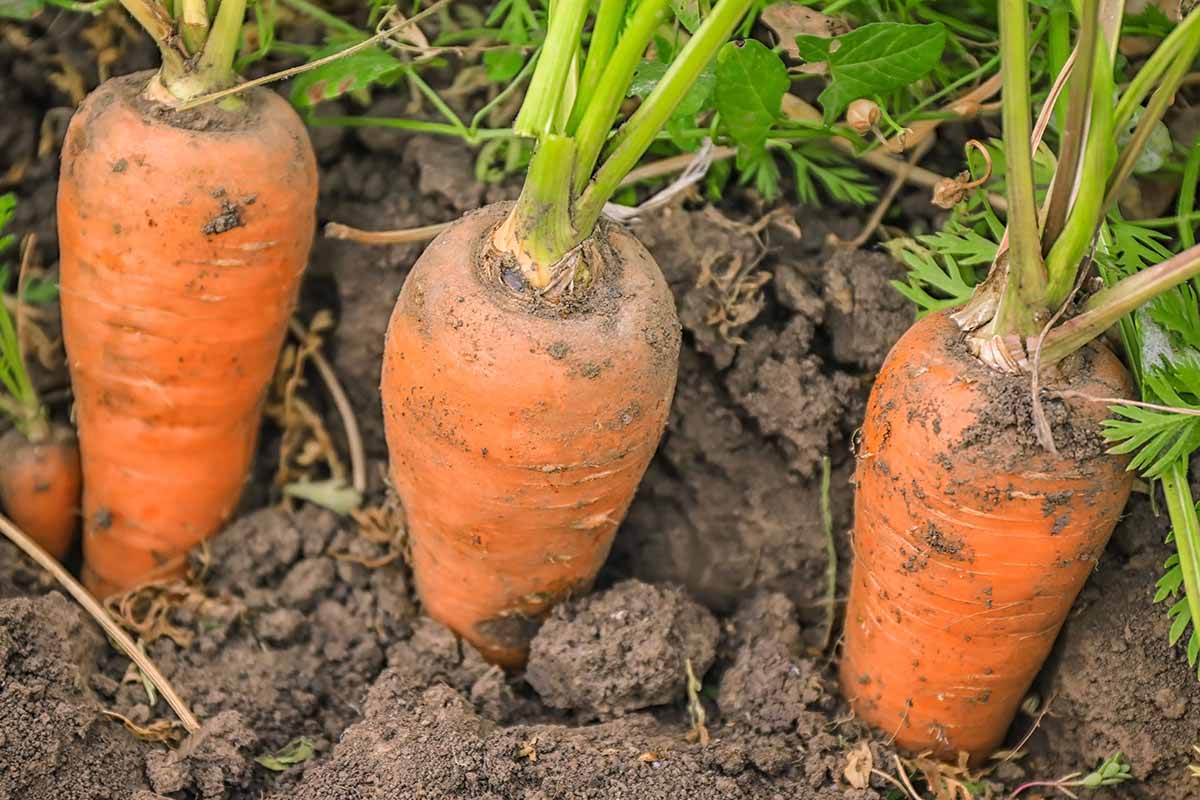
Seeds are small and should be kept consistently moist while germinating. This is often the hardest stage because the soil surface can dry quickly. Once seedlings emerge, thinning is important. Carrots planted too closely compete for space and produce smaller roots. It can feel wasteful to remove seedlings, but adequate spacing gives the remaining roots room to develop. Short or round carrot varieties can be easier in shallow beds or containers where deep loose soil is limited.
Best For
Raised beds with loose soil, root-crop beginners, and gardeners willing to pay attention during germination.
12. Beets
Beets are useful beginner vegetables because both the roots and young leaves are edible, making the crop productive even before the roots are fully mature. They prefer loose soil and relatively cool conditions, similar to carrots and radishes. Seeds are often actually clusters that can produce more than one seedling, so thinning may be necessary once they emerge.
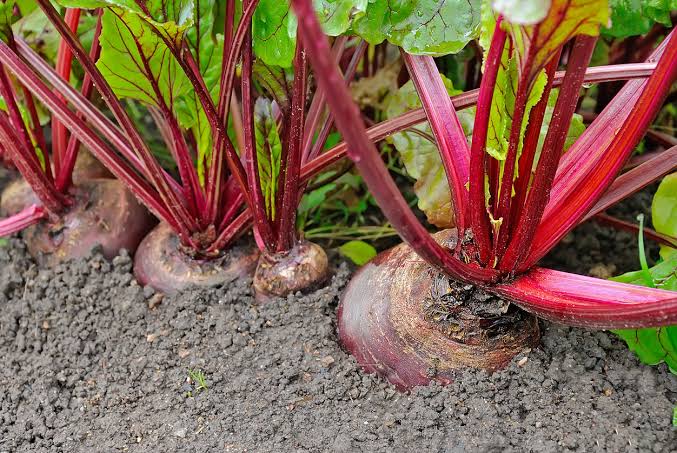
Consistent moisture helps roots develop evenly. Very dry conditions followed by heavy watering can stress the plants. Beets do not need enormous amounts of space, making them suitable for raised beds and succession planting. They can be harvested young for smaller tender roots or allowed to mature further.
The leaves can be used similarly to other cooking greens, although removing too many leaves from a growing plant can reduce root development.
Best For
Small gardens, cool-season planting, raised beds, and gardeners who want both greens and roots from one crop.
13. Spinach
Spinach is easy to grow when the timing is right. The biggest challenge is that it dislikes hot weather, so beginners often fail by planting it during the wrong part of the season rather than because spinach itself is difficult. In cool weather, spinach grows quickly and can be harvested as baby leaves or allowed to develop larger leaves.
Like lettuce, it benefits from consistent moisture and may tolerate partial shade, particularly as temperatures begin to rise. Once hot weather arrives, spinach tends to bolt quickly. Rather than fighting that natural response, treat it as a spring, autumn, or winter crop depending on climate.
Small plantings every couple of weeks can provide a more continuous harvest than sowing one large bed all at once.
Best For
Cool-season gardens, salads, succession planting, and compact raised beds.
14. Potatoes
Potatoes are surprisingly beginner-friendly because they do not require delicate pruning or complicated support. Once planted in suitable soil, much of the growing process happens underground. They perform best in loose, well-drained soil where developing tubers can expand easily. As plants grow, additional soil or mulch is often mounded around the stems to keep developing potatoes covered and protected from light.
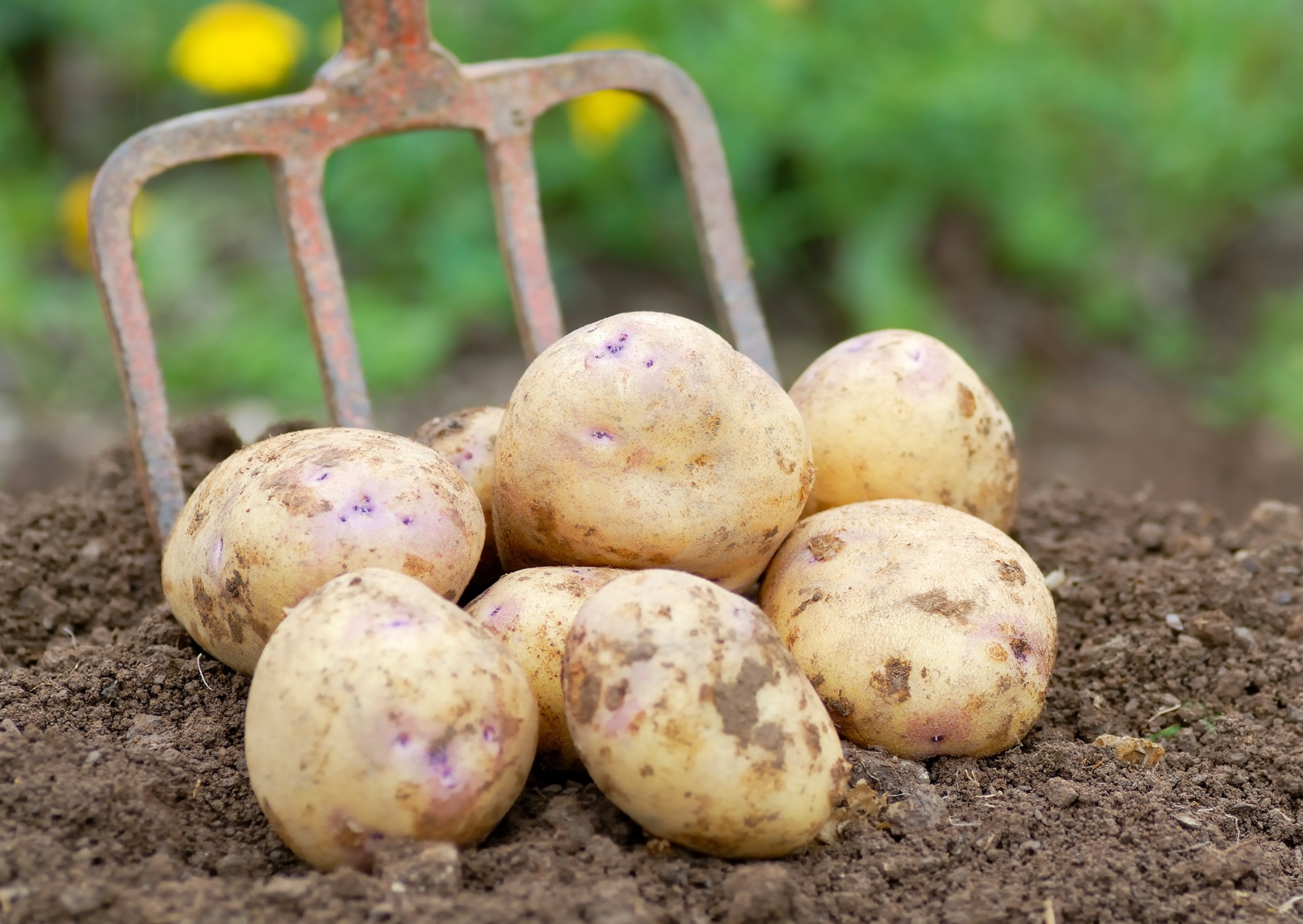
Green potatoes should not be eaten because greening is associated with increased glycoalkaloids, so keeping tubers covered during growth and storing harvested potatoes away from light is important. Potatoes can also be grown in large containers or grow bags where garden space is limited, although the container needs adequate depth and drainage.
The harvest is one of the most rewarding parts because digging through the soil reveals tubers that were invisible for most of the season.
Best For
Raised beds, grow bags, loose soil, and gardeners who enjoy one larger harvest.
15. Turnips
Turnips are quick-growing root vegetables that are often overlooked by beginners even though they are relatively easy and make excellent use of cool-season garden space. Like beets, both the roots and greens can be eaten. Young turnips are usually milder and more tender than very large mature roots, so harvesting at a moderate size can improve quality.
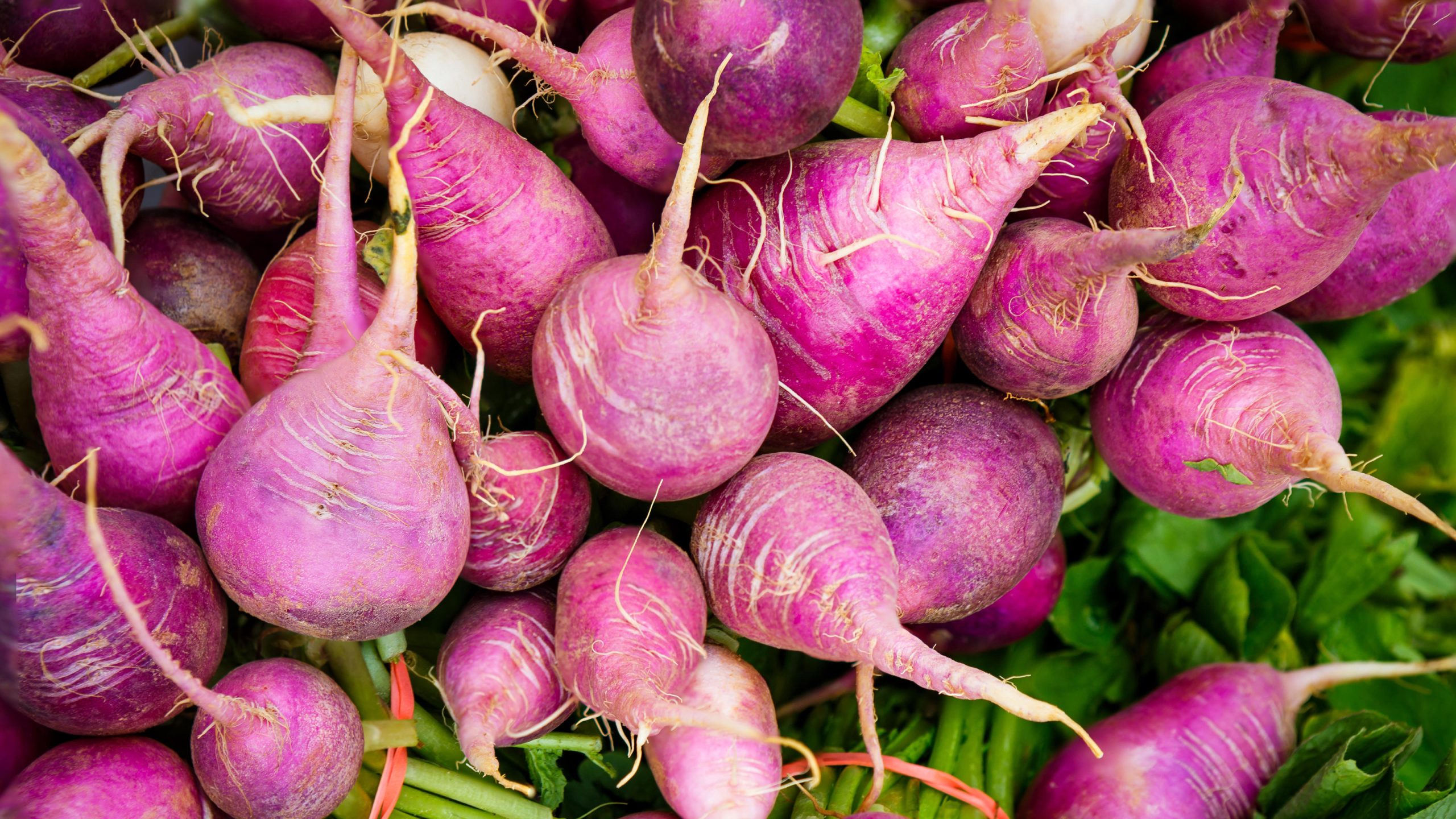
Loose soil helps the roots form properly, while consistent moisture encourages steady growth. Turnips are particularly useful in succession planting because they mature quickly enough to fit between longer-season crops. A spring planting can be harvested before summer vegetables need the space, and another planting may be possible later in the year.
They do not need a large amount of garden area, making them practical for small raised beds.
Best For
Cool-season gardens, quick harvests, succession planting, and beginners interested in root vegetables.
16. Peppers
Peppers require warm weather and a longer growing season, but once established, they are relatively manageable and can produce for many weeks. They are especially useful in small gardens because the plants remain more compact than large indeterminate tomatoes or sprawling squash.
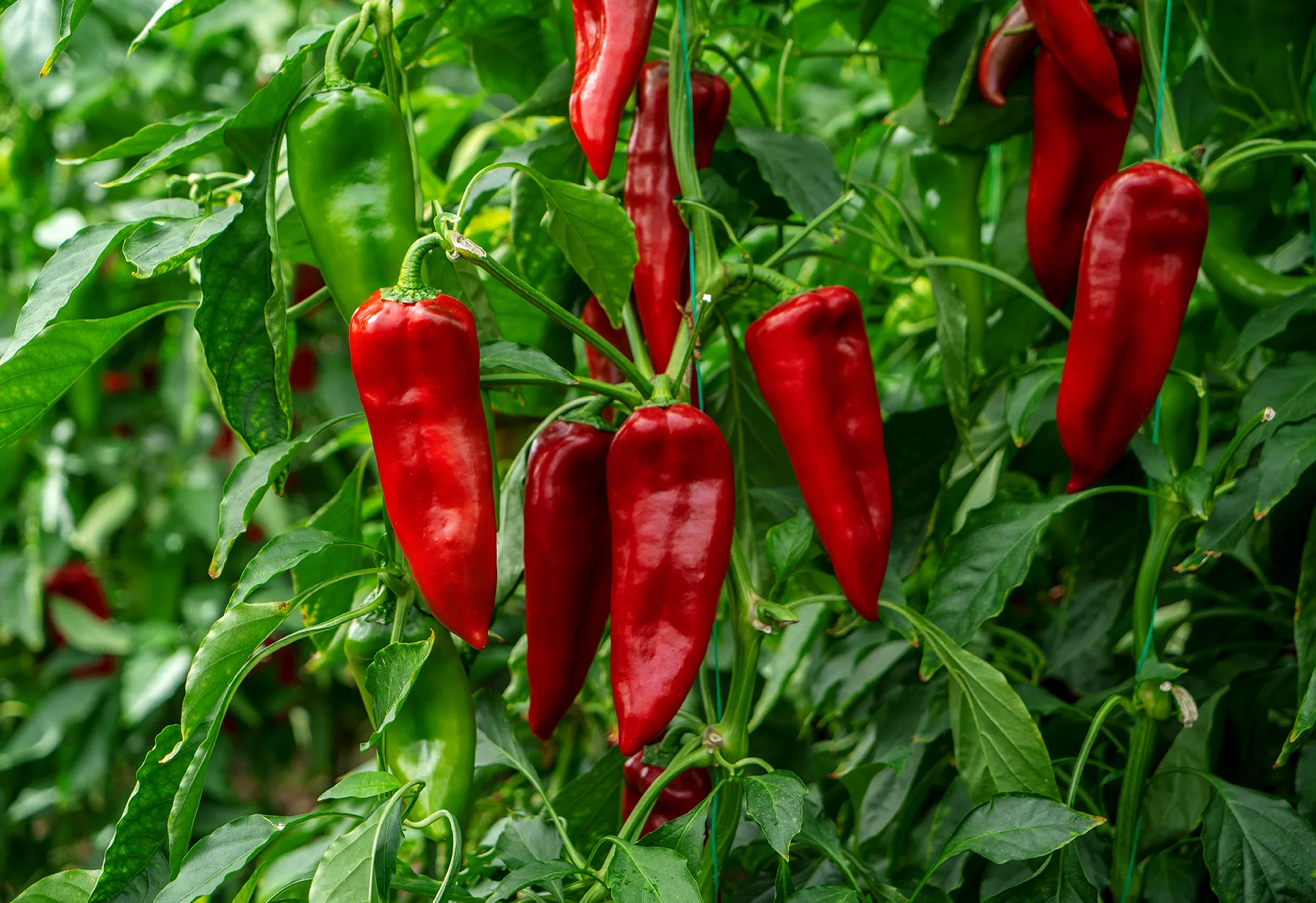
Sweet peppers and many mild or hot varieties grow well in raised beds and large containers. Full sun, warm soil, and steady watering help maintain productive growth. Peppers can be harvested green or allowed to mature to red, yellow, orange, or another final color depending on variety. Leaving fruit to fully ripen takes longer, so gardeners often use a mix of early and fully ripe harvests.
Support is sometimes helpful when plants become loaded with fruit, but peppers generally require less infrastructure than tomatoes or cucumbers.
Best For
Small sunny gardens, patio containers, gardeners who want a compact warm-season crop.
17. Arugula
Arugula is one of the fastest and easiest leafy vegetables for beginners, particularly during cool weather. It germinates quickly and can be harvested while leaves are still young and tender. Because the flavor becomes stronger as plants mature, frequent harvesting keeps the crop useful for salads and sandwiches.
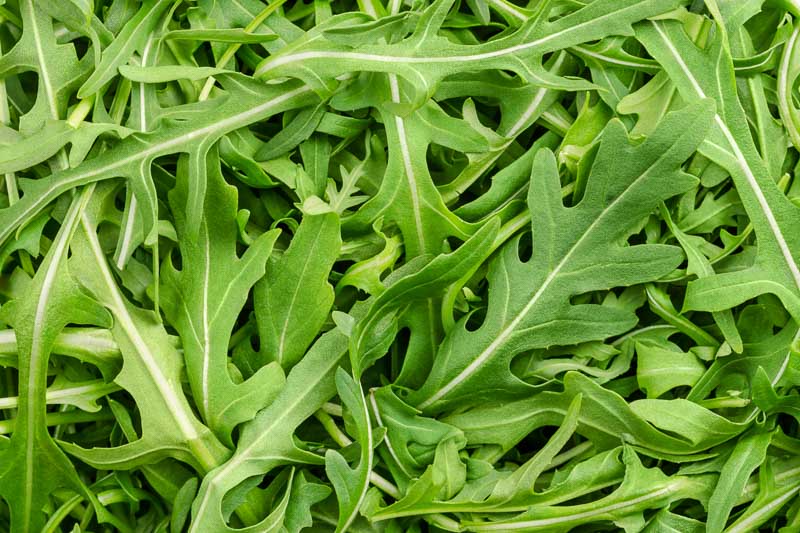
Arugula also works extremely well for succession planting. Small patches can be sown every couple of weeks so there is always a fresh group of young leaves approaching harvest.
Like lettuce and spinach, arugula tends to bolt during hot weather. Once flower stalks begin developing, the leaves usually become stronger and less tender. Because it grows quickly, arugula is useful for filling temporary gaps in the garden before slower vegetables expand.
Best For
Fast harvests, cool weather, salad gardens, and filling small unused spaces.
Which Vegetables Are the Easiest for a First Garden?
Not all easy vegetables are easy for the same reason. Some grow quickly, while others tolerate inconsistent attention or provide repeated harvests.
| Vegetable | Main Reason It Is Beginner-Friendly | Harvest Style |
|---|---|---|
| Radish | Very fast growth | One-time root harvest |
| Lettuce | Simple and productive | Repeated leaves |
| Bush beans | Fast and heavy producer | Repeated pods |
| Green onions | Small space requirement | Gradual harvest |
| Zucchini | Extremely productive | Repeated fruit |
| Cucumbers | Fast-growing | Repeated fruit |
| Cherry tomatoes | High yield | Repeated fruit |
| Kale | Hardy and long-producing | Repeated leaves |
| Swiss chard | Tolerates varied conditions | Repeated leaves |
| Peas | Easy cool-season climber | Repeated pods |
| Carrots | Low ongoing maintenance | One-time root harvest |
| Beets | Roots + edible greens | One-time roots |
| Spinach | Fast in cool weather | Repeated leaves |
| Potatoes | Straightforward care | One larger harvest |
| Turnips | Fast root crop | Roots + greens |
| Peppers | Compact and productive | Repeated fruit |
| Arugula | Extremely fast | Repeated leaves |
For a first garden, combining several types is useful. A bed containing radishes, lettuce, beans, one tomato, peppers, and herbs gives the gardener both quick and long-term harvests without requiring an enormous number of crops.
Easy Does Not Mean Plant Everything at Once
Beginners often become excited by a list of easy vegetables and plant all of them during the same weekend. That can create a garden that is much harder than necessary.
Cool-season vegetables such as spinach, peas, radishes, lettuce, and turnips often perform best during cooler parts of the year. Warm-season vegetables such as tomatoes, peppers, cucumbers, beans, and zucchini need warmer conditions. Trying to plant both groups under the same weather conditions can result in one group struggling.
Instead, think of the vegetable garden as several seasonal gardens occupying the same space.
Simple Seasonal Grouping
| Cool-Season Crops | Warm-Season Crops |
|---|---|
| Radishes | Tomatoes |
| Lettuce | Peppers |
| Spinach | Cucumbers |
| Peas | Bush beans |
| Kale | Zucchini |
| Turnips | Warm-season herbs |
| Beets | Some summer greens depending on climate |
Exact planting times depend on local climate and variety.
The Best Vegetables for Very Small Gardens
A small garden should prioritize crops that either grow vertically, produce repeatedly, or mature quickly enough that another crop can use the same space afterward. Leaf lettuce, green onions, radishes, arugula, peppers, bush beans, and herbs are particularly useful because they produce from relatively limited ground area.
Trellised cucumbers and pole beans use vertical space efficiently, although pole beans were not included in the main list because bush beans are slightly simpler for a first-time gardener.
Cherry tomatoes can also be extremely productive from a small footprint when trained vertically. Zucchini is easy to grow but not especially space-efficient. One plant can occupy a large portion of a compact raised bed, which is worth considering before planting several.
Small-Space Efficiency Comparison
| Crop | Ground Space Needed | Production Potential |
|---|---|---|
| Green onions | Very low | Moderate |
| Radishes | Very low | Moderate |
| Leaf lettuce | Low | High with succession |
| Arugula | Low | High with succession |
| Bush beans | Moderate | High |
| Peppers | Moderate | High |
| Trellised cucumber | Low-moderate | High |
| Cherry tomato | Moderate | Very high |
| Zucchini | High | Very high |
Start With Vegetables You Actually Eat
Ease of growing is only useful if the harvest is useful. Radishes may be extremely easy, but planting several rows makes little sense if nobody in the household eats radishes. The same is true of kale, turnips, or any other vegetable.
Before buying seeds, look at what regularly appears in your kitchen. If you buy lettuce every week, growing lettuce has practical value. If tomatoes, peppers, green onions, herbs, and cucumbers are common ingredients, those crops may deserve most of the garden.
This also makes the harvest more rewarding. A first tomato used in dinner creates a stronger connection between gardening and everyday life than a basket of unfamiliar vegetables that eventually gets forgotten in the refrigerator. Beginner gardening should build confidence, not create another form of food waste.
How Many Vegetables Should a Beginner Grow?
A first garden does not need seventeen crops simply because seventeen easy options exist. For most beginners, five to eight crops provide plenty of variety without making the garden difficult to understand. Each vegetable behaves differently, and learning several crops at once already introduces a significant amount of information.
A simple beginner garden might contain one or two tomato plants, two peppers, one zucchini plant, a short row of bush beans, lettuce, radishes, green onions, and basil or parsley. That combination provides several harvest styles and teaches useful gardening skills without requiring a huge plot.
After one season, it becomes much easier to decide what deserves more space and what should disappear entirely.
A Simple Beginner Garden Layout
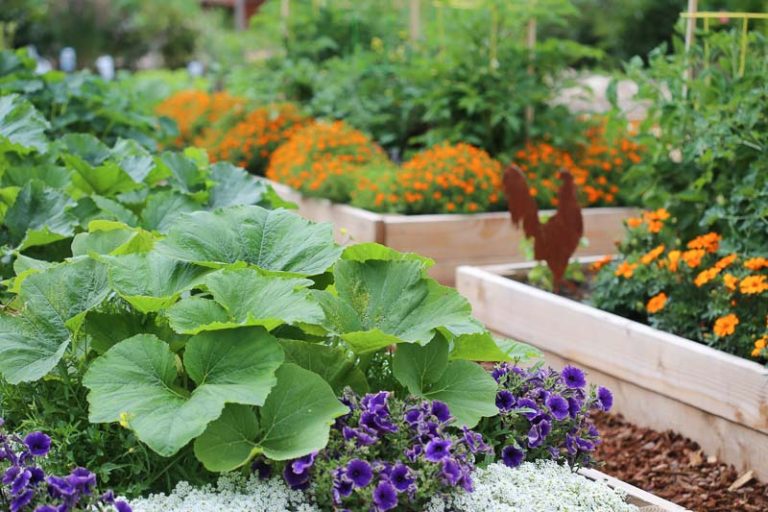
For a compact raised bed, tall crops should generally be placed where they will not unnecessarily shade the rest of the garden. One possible layout puts cherry tomatoes and a cucumber trellis along the back. Peppers occupy the middle section, while lettuce, green onions, radishes, or carrots fill the front.
Bush beans can occupy one end of the bed. Fast-growing radishes or lettuce can be planted in temporary gaps early in the season before tomato plants become large. Once those early crops are harvested, the mature warm-season vegetables expand into the space. This is more efficient than trying to plant every crop at full density on the first day.
Watering Beginner Vegetables Without Overcomplicating It
New gardeners frequently struggle with watering because advice is often given as a fixed schedule. The garden does not operate on a universal schedule. A raised bed in windy, hot weather may dry much faster than heavy in-ground soil during a cool, cloudy week. Newly planted seedlings also need more frequent attention than established plants with deeper roots.
Check the soil rather than the calendar. If the surface looks dry, investigate slightly deeper before deciding whether water is needed. When you do water, apply enough to wet the active root zone rather than only spraying the soil surface lightly.
Mulch helps reduce moisture loss and can make watering more consistent. Containers deserve extra attention because their limited soil volume can dry rapidly during warm weather.
Which Vegetables Give the Fastest Results?
Fast harvests help beginners stay motivated.
| Crop | Relative Speed |
|---|---|
| Radishes | Very fast |
| Arugula | Very fast |
| Leaf lettuce | Fast |
| Spinach | Fast in cool weather |
| Green onions | Fast-moderate |
| Turnips | Fast-moderate |
| Bush beans | Moderate |
| Peas | Moderate |
| Zucchini | Moderate once warm |
| Cucumbers | Moderate once established |
| Tomatoes | Longer season |
| Peppers | Longer season |
Planting at least one fast crop alongside tomatoes or peppers gives you something to harvest while the slower vegetables are still developing.
Common Beginner Mistakes With Easy Vegetables
Even beginner-friendly vegetables struggle when basic growing conditions are ignored. One of the most common mistakes is poor timing. Planting spinach during intense heat or peppers into cold spring soil creates unnecessary difficulty.
Overcrowding is another frequent issue. Small seedlings encourage gardeners to plant too closely, but zucchini, tomatoes, cucumbers, and kale can become much larger than expected.
Watering too shallowly can also cause problems. The surface becomes wet while deeper soil remains dry. Waiting too long to harvest is another surprisingly common mistake. Zucchini becomes oversized, green beans become fibrous, cucumbers become seedy, and radishes lose quality.
Finally, beginners often plant too much. Ten zucchini plants may technically grow easily, but managing the harvest is another story.
Beginner Crop Difficulty at a Glance
| Vegetable | Overall Difficulty | Main Thing to Get Right |
|---|---|---|
| Radish | Very easy | Cool weather |
| Lettuce | Very easy | Avoid excessive heat |
| Bush beans | Very easy | Warm soil + regular harvest |
| Green onions | Very easy | Consistent establishment |
| Zucchini | Easy | Provide enough space |
| Cucumber | Easy | Trellis + steady water |
| Cherry tomatoes | Easy-moderate | Sun + support |
| Kale | Easy | Pest monitoring |
| Swiss chard | Easy | Regular harvesting |
| Peas | Easy | Plant during cool weather |
| Carrots | Moderate | Germination + loose soil |
| Beets | Easy | Thin seedlings |
| Spinach | Very easy in cool weather | Correct timing |
| Potatoes | Easy | Loose soil + proper coverage |
| Turnips | Very easy | Harvest before oversized |
| Peppers | Easy-moderate | Warmth |
| Arugula | Very easy | Harvest before bolting |
Final Thoughts
A reliable first harvest does not require expert gardening skills. It requires choosing vegetables that fit your climate, available space, and level of experience.
Start with crops that give something back relatively quickly. Radishes, lettuce, arugula, and green onions can produce early results. Add bush beans, cucumbers, zucchini, or cherry tomatoes for repeated harvests through warmer weather. Use kale, Swiss chard, beets, turnips, or spinach when cooler conditions favor them.
Most importantly, keep the first garden manageable. You do not need to grow every vegetable on this list. Choose five or six that your household genuinely eats, learn how they behave, and give them enough room to mature properly.
Pay attention to season rather than planting everything on the same day. Keep the soil reasonably fertile and well-drained. Water according to moisture rather than habit. Harvest regularly before vegetables become oversized.
And take notes.
By the end of one growing season, you will know far more about your own backyard than any generic planting guide can tell you. You will know which bed gets the strongest sun, which soil dries first, which vegetables your household uses immediately, and which crops are not worth planting again. That knowledge is what turns a beginner garden into a reliable one. The easiest vegetables are simply the best place to begin.