Growing vegetables is only half of the work of a productive garden. The other half begins the moment you carry the harvest inside. A basket of tomatoes, cucumbers, carrots, peppers, herbs, greens, onions, and zucchini may look beautiful on the kitchen counter, but every crop begins changing as soon as it is harvested. Some vegetables continue ripening. Others begin losing moisture almost immediately. Certain crops remain usable for months when they are cured and stored correctly, while others can deteriorate within days if they are exposed to too much moisture, trapped condensation, ethylene gas, or temperatures that do not suit them.
That is why there is no single correct place to store “vegetables.” A freshly harvested tomato behaves very differently from a carrot. Potatoes need darkness but not refrigerator temperatures. Leafy greens benefit from cold storage and high humidity, yet they can rot quickly when excess water remains trapped around the leaves. Winter squash may last for months after proper curing, while a summer squash belongs in the refrigerator and has a much shorter useful storage window. Onions and garlic need airflow, while root vegetables often benefit from conditions that reduce moisture loss.
Understanding those differences can dramatically reduce waste. The goal of good storage is not to keep every vegetable looking exactly as it did in the garden. Once harvested, produce is still biologically active. It continues respiring, losing moisture, changing texture, and eventually deteriorating. Storage simply slows those processes enough to give you more time to eat or preserve what you grew.
That means successful storage depends on controlling four major things: temperature, humidity, airflow, and exposure to ripening gases such as ethylene.
The best system may involve several storage zones rather than one refrigerator drawer. Your leafy greens might go into a humid refrigerated container, ripe tomatoes may remain on the counter for a short period, cured onions belong somewhere dry and ventilated, and potatoes may need a cool, dark location completely separate from all of them.
The ten methods below explain how to handle different types of garden produce so that more of your harvest reaches the table instead of the compost pile.
1. Cool Leafy Greens Quickly and Store Them With Controlled Moisture
Leafy greens are among the most perishable vegetables in a garden because they contain a large amount of water and lose moisture rapidly after harvest. Lettuce, spinach, kale, chard, arugula, mustard greens, and similar crops can begin wilting surprisingly quickly if they are left sitting in a warm harvest basket after picking.
The priority is therefore cooling. Harvesting during the cooler part of the day can help, especially in summer, because leaves picked after hours of intense sun may already be warm and slightly dehydrated. Once indoors, remove damaged or heavily soiled leaves and cool the greens as soon as practical.
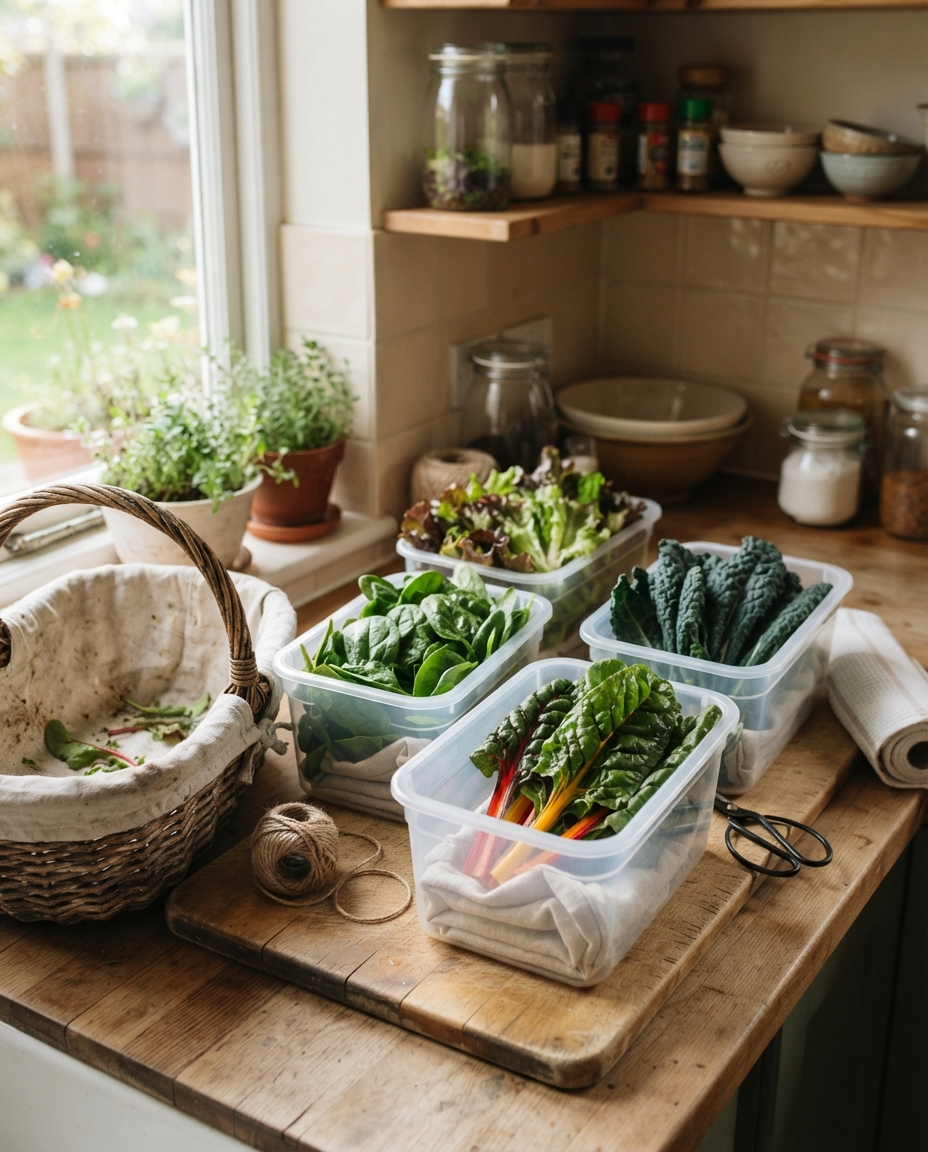
Moisture requires balance. Completely dry refrigerator air causes greens to wilt, but water trapped directly against the leaves can encourage decay. If you wash greens before storage, dry them thoroughly before placing them in a container. A salad spinner followed by a short period of air drying can remove much more surface water than simply shaking the leaves.
A loosely packed container or produce bag with a clean absorbent towel can help manage condensation. The towel absorbs excess water while the enclosed environment slows moisture loss from the leaves.
Do not crush the greens into a small container. Compression damages leaf tissue, and damaged tissue deteriorates faster than intact leaves. Store them with enough room that they remain relatively loose.
Leafy Green Storage Guide
| Crop | Best General Storage | Moisture Level | Main Risk |
|---|---|---|---|
| Lettuce | Refrigerated container or produce bag | High humidity, little free water | Sliminess from excess moisture |
| Spinach | Refrigerated, loosely packed | Moderate-high humidity | Bruising and trapped condensation |
| Kale | Refrigerated, protected from drying | Moderate-high humidity | Wilting |
| Swiss chard | Refrigerated, loosely wrapped | Moderate-high humidity | Limp stems and leaf decay |
| Arugula | Refrigerated and handled gently | High humidity | Rapid wilting and bruising |
The exact storage life varies with variety, harvest maturity, damage, refrigerator conditions, and how quickly the crop was cooled.
Best for: Lettuce, spinach, kale, chard, arugula, mustard greens, and other tender leafy vegetables.
2. Keep Tomatoes Out of the Refrigerator Until They Need It
Tomatoes are one of the vegetables most commonly stored automatically in the refrigerator, even though their texture and flavor are usually best when they are allowed to finish ripening at room temperature.
A tomato harvested slightly underripe can continue ripening after picking. Place it stem-side up or otherwise carefully positioned in a single layer where it will not be crushed, and keep it away from intense direct sunlight. A kitchen counter or pantry shelf generally works better than a hot windowsill, where uneven heating can soften fruit too quickly.
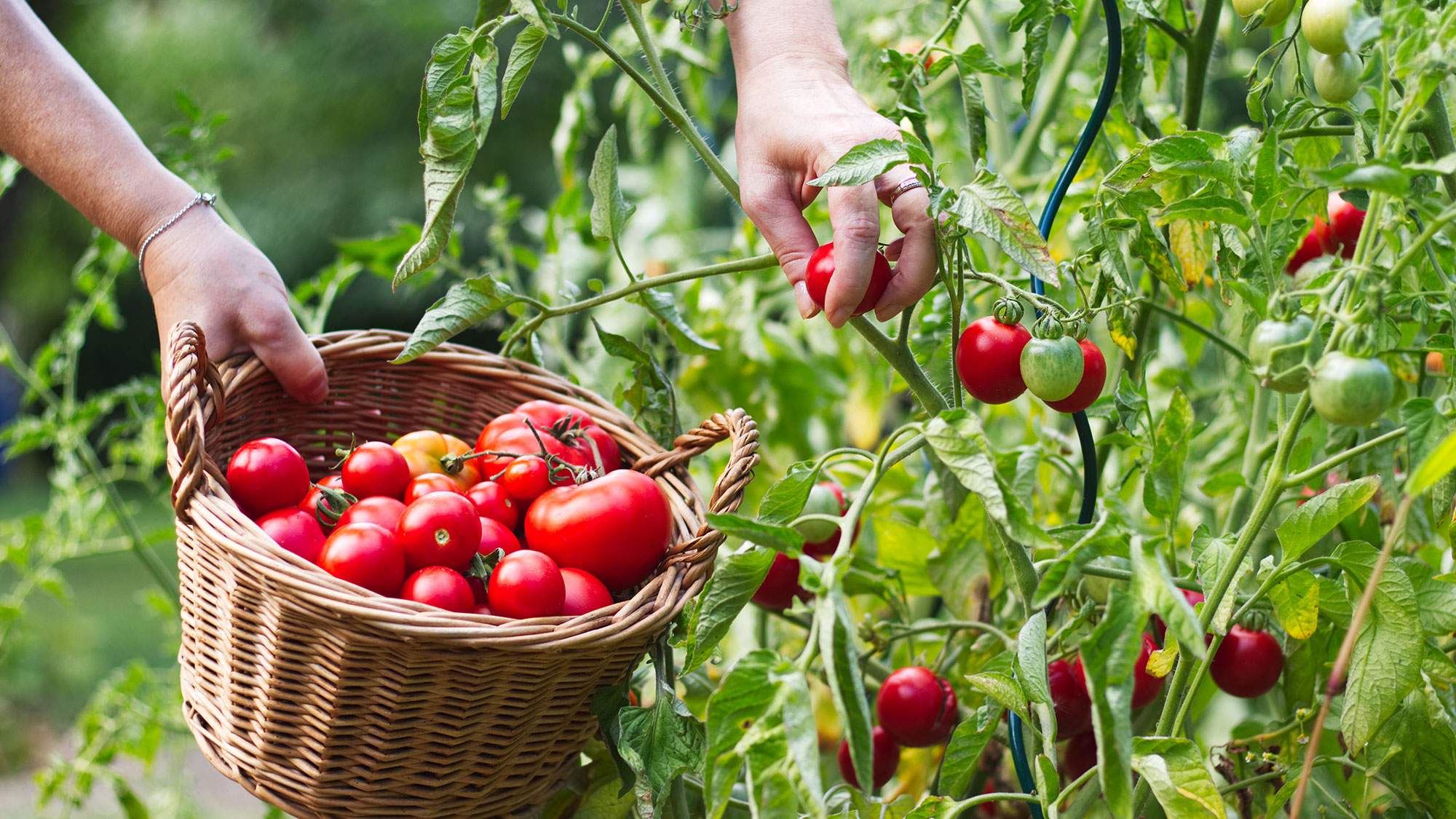
Fully ripe tomatoes should be eaten relatively soon. If they become very ripe and you need extra time before using them, refrigeration can slow further deterioration. The tradeoff is that extended cold storage can affect tomato texture and flavor. Bringing refrigerated ripe tomatoes back toward room temperature before eating can improve the eating experience.
Never pile a large harvest into a deep bowl if the tomatoes are already soft. The weight of the upper fruit presses against the tomatoes below, and small bruises or cracks can quickly become areas of deterioration. Tomatoes also produce ethylene, a natural plant hormone involved in ripening. That becomes important when deciding what else should sit beside them in storage.
Best for: Fresh slicing tomatoes, cherry tomatoes, paste tomatoes, and fruit harvested just before full ripeness.
Harvest tip: Cracked, bruised, or damaged tomatoes should be separated from your best storage fruit and used first.
3. Cure Potatoes Before Long-Term Storage
Potatoes can remain useful far longer than many summer vegetables, but they need a very different storage environment from leafy greens or peppers. Freshly dug potatoes often have delicate skins. If they are intended for storage rather than immediate eating, allowing them to cure helps the outer skin toughen and allows minor surface injuries to heal. The potatoes should be handled carefully during harvest because cuts and bruises reduce storage potential.
Do not scrub storage potatoes aggressively before putting them away. Loose soil can be brushed off after it dries, but washing adds moisture that is unnecessary for long-term storage. Potatoes intended for immediate use can of course be washed before cooking.
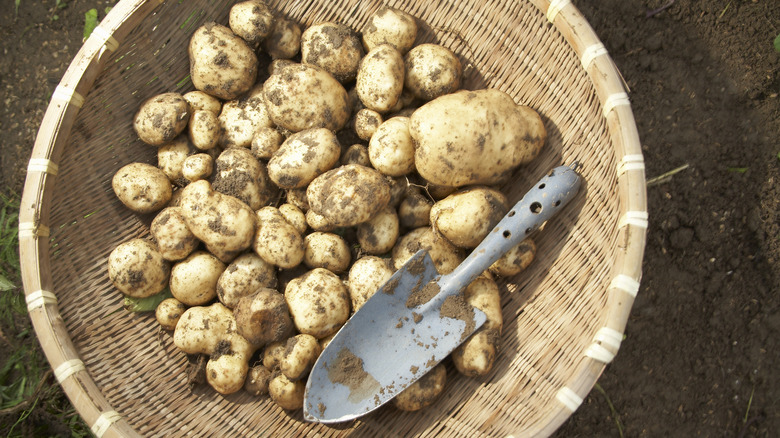
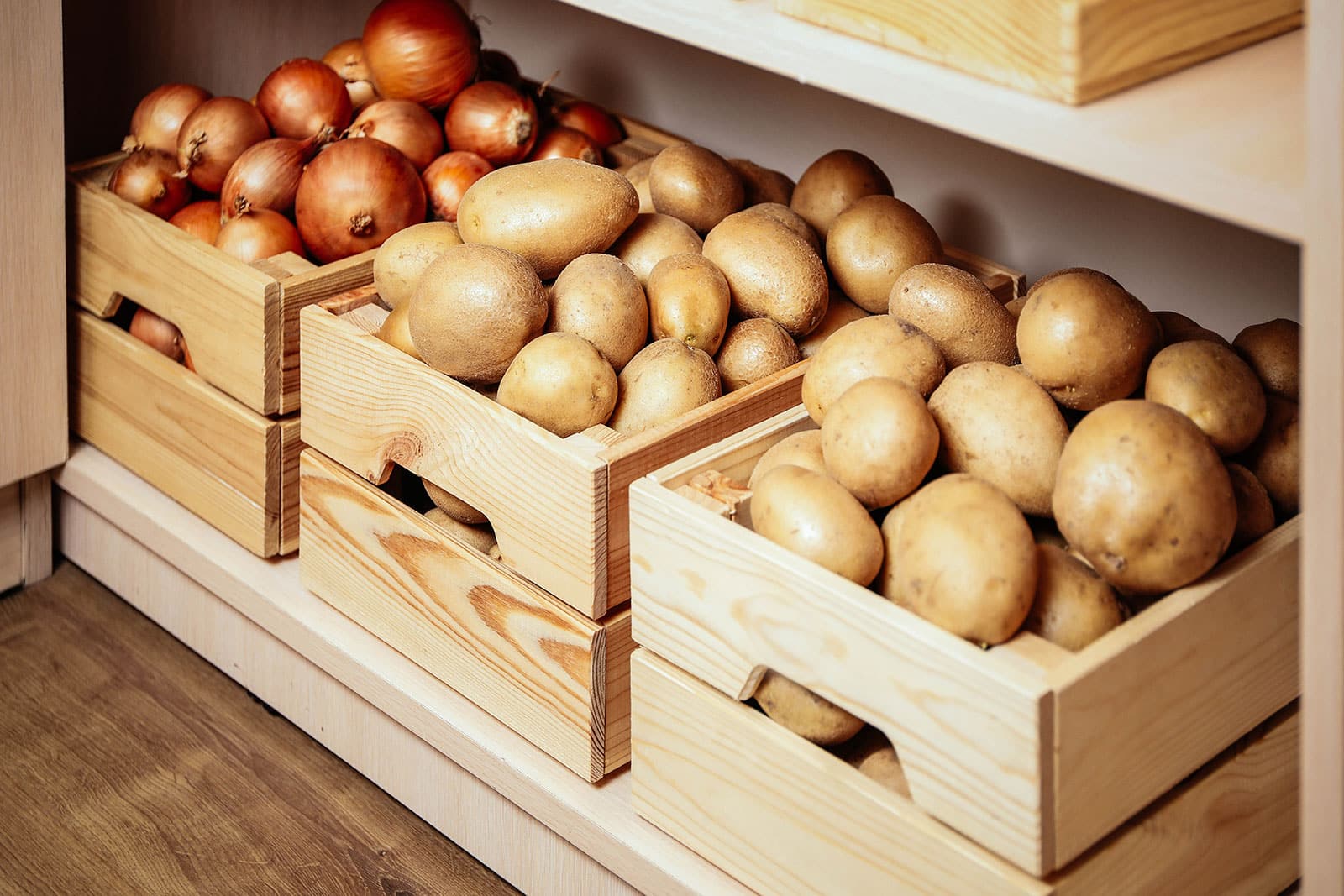
After curing, store potatoes somewhere cool, dark, and well-ventilated. Darkness matters because exposure to light can cause potatoes to turn green, indicating increased glycoalkaloid formation. Green areas and heavily sprouted or deteriorated potatoes should not simply be treated as normal storage produce.
A refrigerator is not usually the preferred long-term environment for raw potatoes because very cold temperatures can alter starches and affect cooking quality. A cool pantry, cellar-like location, or suitable insulated storage area may work better where household conditions permit. Do not seal potatoes inside an airtight plastic container. They benefit from airflow, so ventilated bins, paper sacks, perforated containers, or crates are generally more appropriate.
Potato Storage Priorities
| Factor | What Potatoes Prefer | What to Avoid |
|---|---|---|
| Light | Dark storage | Sunlight or bright storage |
| Temperature | Cool, stable conditions | Warm kitchens or freezing |
| Humidity | Enough to reduce shriveling but not wetness | Condensation |
| Airflow | Good ventilation | Airtight plastic |
| Handling | Minimal bruising | Dropping or rough scrubbing |
Best for: Main-crop potatoes that you intend to keep for weeks or longer rather than eating immediately after harvest.
4. Cure Onions and Garlic Until the Outer Layers Are Fully Dry
Freshly pulled onions and garlic may look ready for pantry storage, but they usually need time to dry properly first. Curing reduces moisture in the outer skins and necks, creating the dry protective layers associated with storage onions and garlic. The crop should be spread or hung in a dry, airy, protected location out of rain and intense direct weather exposure. Good airflow is more important than packing a large harvest tightly together.
When onions are properly cured, the outer skins become papery, and the necks should feel dry. Garlic develops similarly dry wrappers around the bulb.
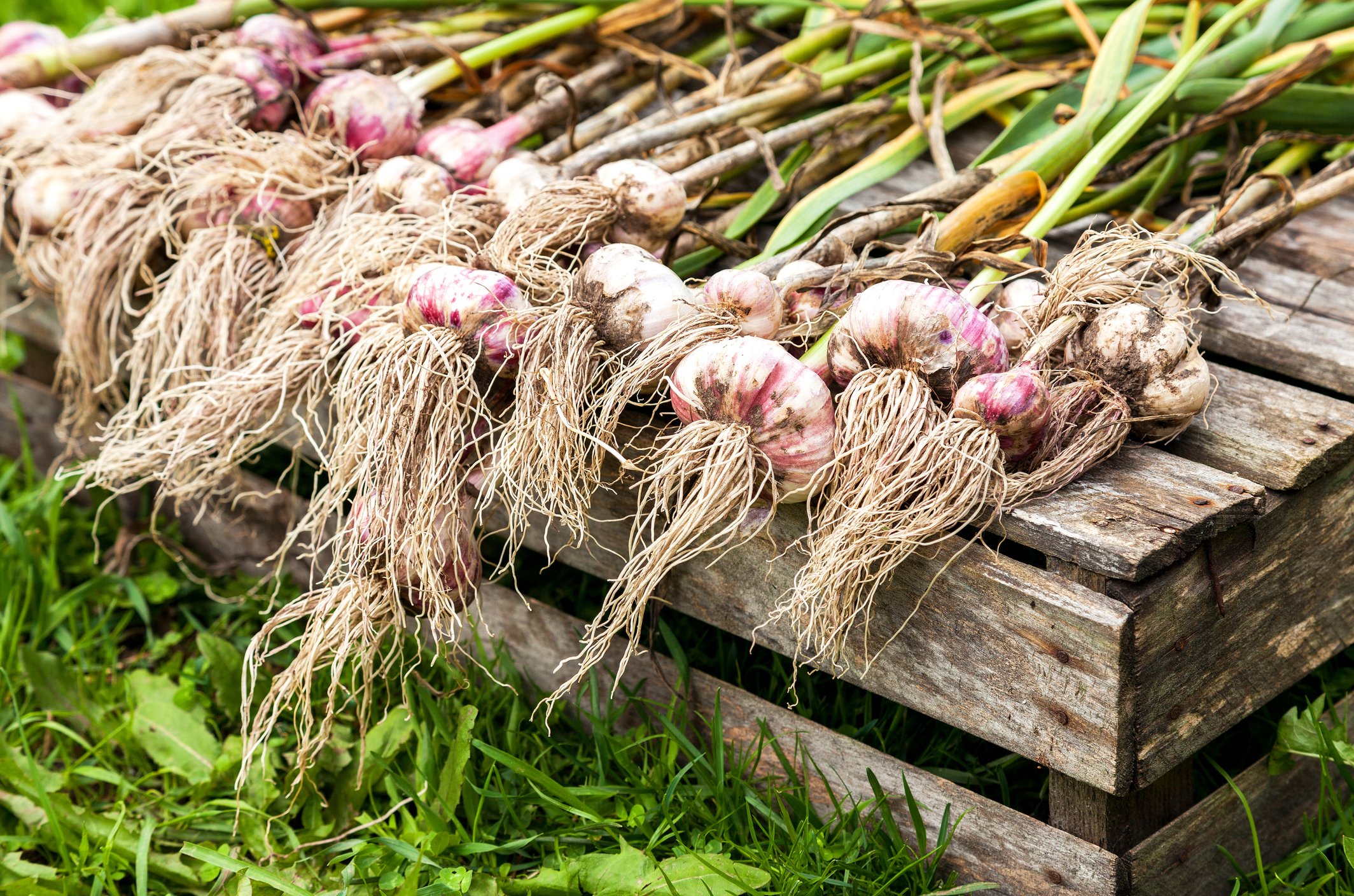
At that point, loose soil can be brushed away, and the tops can be trimmed if you are not storing them in braids. Avoid removing so many outer layers that the bulb loses its natural protective covering. Storage containers should breathe. Mesh bags, open baskets, slatted crates, or other ventilated arrangements work better than sealed plastic bags. Dampness trapped around cured bulbs undermines the very conditions curing was meant to create.
Store onions and potatoes separately. Although both are commonly associated with cool pantry storage, keeping them piled together can create conditions that shorten storage quality. They also benefit from somewhat different humidity preferences, making separate storage zones a better choice.
Onion and Garlic Storage Comparison
| Crop | Needs Curing? | Preferred Storage Style | Main Warning Sign |
|---|---|---|---|
| Storage onion | Yes | Cool, dry, ventilated | Soft neck, moisture, mold |
| Garlic | Yes | Dry, dark, ventilated | Soft cloves or mold |
| Sweet onion | Limited storage compared with dry storage onions | Refrigerate if necessary | Rapid softening |
| Green onion | No long curing | Refrigerate | Wilting/sliminess |
Best for: Mature storage onions and garlic harvested from the garden.
5. Store Carrots and Other Root Crops Where They Cannot Dry Out
Carrots, beets, turnips, rutabagas, and many similar root vegetables remain firm because they retain a high amount of internal moisture. When stored in dry refrigerator air without protection, that moisture gradually escapes and the roots become rubbery, shriveled, or limp.
The first step after harvest is usually removing most of the leafy tops. Leaving a large mass of foliage attached can continue drawing moisture from the root even after it has been harvested. Do not cut deeply into the crown itself; simply remove the tops appropriately.
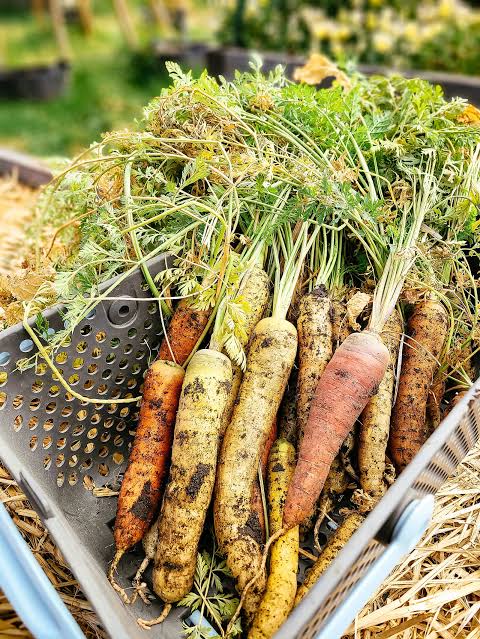
For short- to medium-term home storage, roots can be refrigerated inside a container or produce bag that limits moisture loss without leaving them sitting in standing water. If washed before storage, make sure the surface is reasonably dry before enclosing them.
Gardeners with suitable cool storage conditions may use boxes layered with slightly damp sand, sawdust, or other traditional packing materials to maintain humidity around roots, but the environment must remain cool and controlled enough to avoid decay. This technique is more useful for larger harvests than for a handful of carrots.
Roots that are bruised, split, insect-damaged, or cut during harvest should be used first rather than placed into long-term storage with perfect specimens. The general rule is simple: root crops usually want cold conditions with relatively high humidity, while storage onions and garlic want a much drier environment. That is why putting all underground vegetables together in one bin is not ideal.
Best for: Carrots, beets, turnips, rutabagas, parsnips, and similar firm roots.
6. Give Cucumbers, Peppers, and Summer Squash Their Own Refrigerator Zone
Cucumbers, peppers, zucchini, and summer squash are all relatively tender garden vegetables, but they do not behave exactly like hardy storage roots. These crops are generally best eaten fairly soon after harvest because they contain a large amount of water and do not have the long storage potential of cured onions, winter squash, or potatoes.
Refrigeration slows deterioration, but excessively cold or dry conditions can still affect quality. Store them in the produce drawer or another protected refrigerator area where humidity is moderated and where the vegetables are not pressed against the coldest surfaces of the appliance.
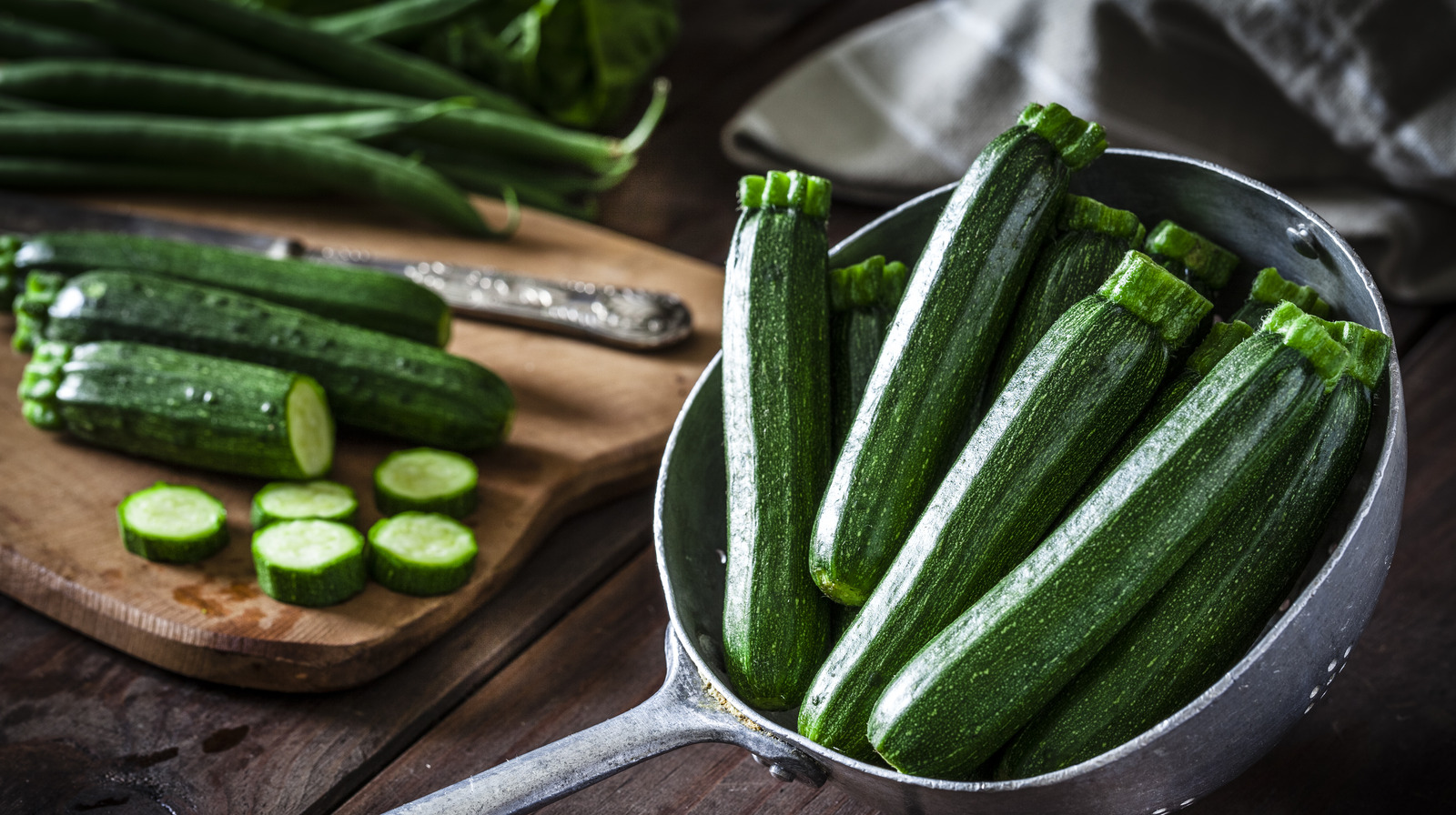
Do not wash large quantities automatically before storage unless you have a reason to do so. Surface moisture trapped around cucumbers or squash can encourage deterioration. If produce is visibly dirty, clean it appropriately and dry it thoroughly before refrigeration. Inspect summer squash carefully before storing it. Small cuts made during harvest, damaged stem ends, or bruised skin often become the first places to deteriorate.
Peppers generally store better when the skin remains dry and intact. A breathable or partially closed produce bag helps reduce moisture loss without creating the same condensation problems as a completely sealed wet bag. Cucumbers are also sensitive to ethylene, so keeping them away from high ethylene-producing fruits and vegetables can help preserve quality.
Best for: Cucumbers, bell peppers, hot peppers, zucchini, yellow squash, and other tender summer produce.
7. Separate Ethylene-Producing Produce From Sensitive Vegetables
One of the least visible reasons vegetables deteriorate faster in storage is ethylene. Ethylene is a natural plant hormone involved in ripening and aging. Certain fruits and vegetables produce significant amounts of it, while others are particularly sensitive to exposure. When sensitive vegetables are stored directly beside strong ethylene producers, they may yellow, soften, become bitter, or deteriorate more quickly depending on the crop.
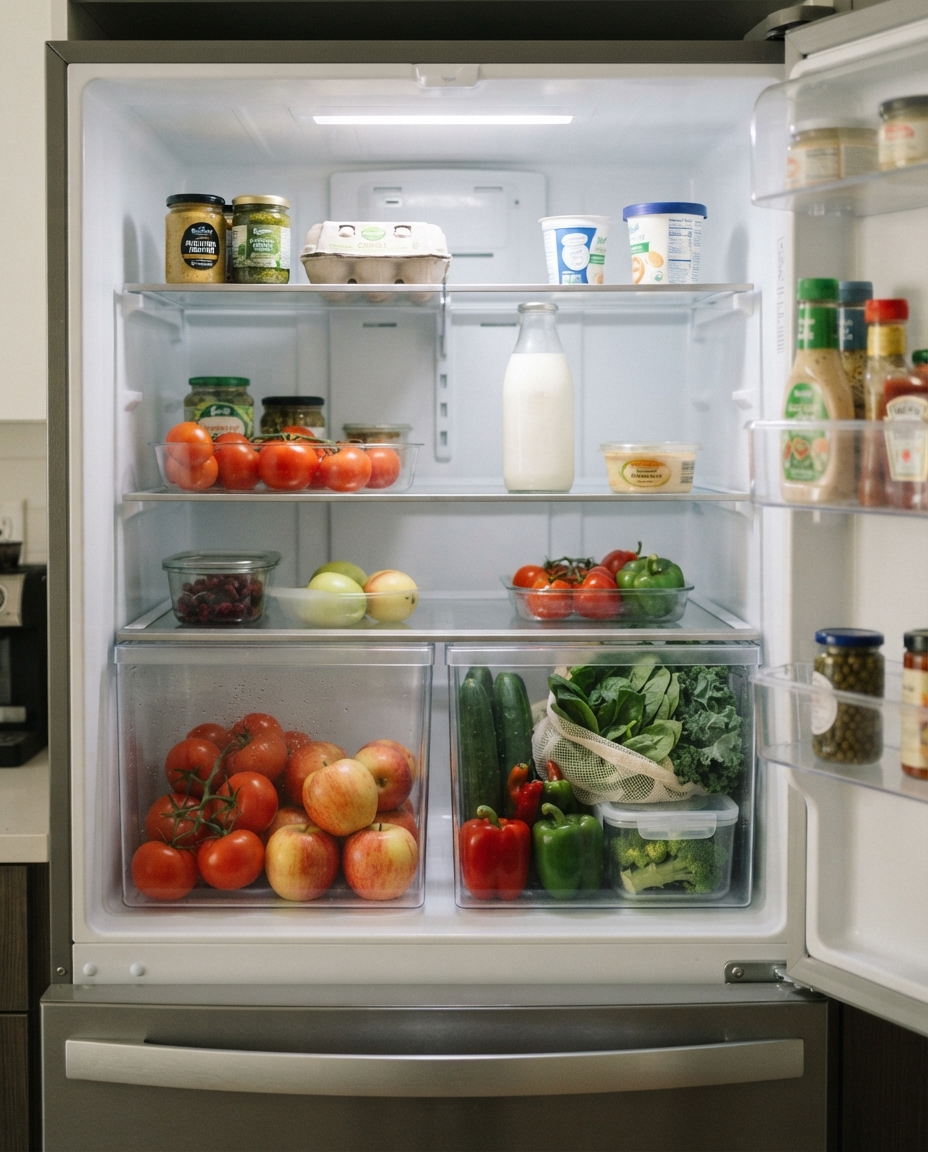
Tomatoes are one common garden-grown ethylene producer. Apples and some fruits from a home orchard can also release considerable ethylene, which is relevant if you store everything together in the same refrigerator drawer or pantry. Vegetables such as cucumbers, broccoli, leafy greens, and some other crops can be sensitive to ethylene exposure. Keeping them physically separated is a small adjustment that can make produce storage more successful.
This does not mean every tomato must be stored in another building. In a normal household refrigerator, the practical solution may simply be using separate drawers or containers and avoiding packing sensitive greens or cucumbers directly beside ripening fruit.
Simple Ethylene Storage Guide
| Produce | General Ethylene Behavior | Storage Implication |
|---|---|---|
| Tomatoes | Producer | Keep away from sensitive vegetables when practical |
| Apples | Strong producer | Store separately from sensitive garden produce |
| Cucumbers | Sensitive | Avoid prolonged close storage with strong producers |
| Leafy greens | Sensitive | Separate from ripening fruit |
| Broccoli | Sensitive | Keep away from ethylene producers |
| Peppers | Less sensitive than some tender vegetables | Still benefit from good produce separation |
Ethylene sensitivity varies between crops and storage conditions, but separation is a useful general principle for a mixed garden harvest.
Best for: Gardeners who routinely store many different fruits and vegetables in the same refrigerator or pantry.
8. Cure Winter Squash Before Storing It on Shelves
Winter squash can be one of the longest-lasting vegetables in a garden when the fruit is fully mature, harvested carefully, and stored under suitable conditions. Unlike zucchini and other summer squash, winter squash develops a hard rind designed to protect the flesh and seeds. Many types benefit from a curing period after harvest, during which the rind hardens further, and minor surface injuries may dry.
Curing requirements vary by species and variety, so it is worth checking the recommendations for the exact squash you are growing rather than applying one rule to all of them.
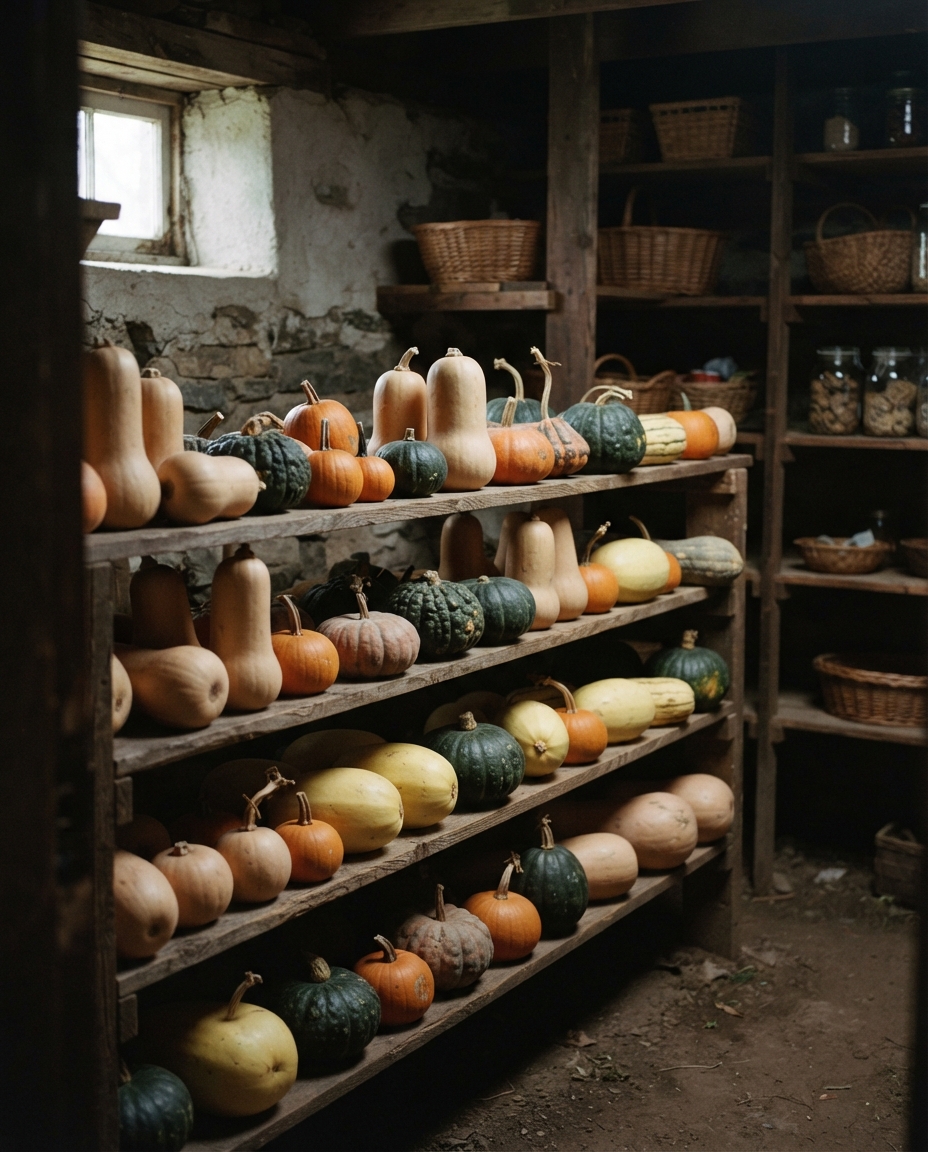
After curing, store squash in a dry, ventilated area where temperatures remain relatively cool but not freezing. Do not pile the fruits deeply into bins if you can avoid it. A single layer on shelving makes inspection much easier and prevents the weight of other squash from pressing against damaged areas. Leave stems intact when possible because breaking the stem away from the fruit can create an entry point for decay.
Inspect stored squash regularly. One deteriorating fruit can go unnoticed for a surprisingly long time if it is buried beneath others, while shelving allows you to spot soft spots, leaking, or discoloration early. Some squash varieties naturally store much longer than others. Acorn squash, for example, generally has a shorter storage life than many butternut or long-keeping winter types.
Winter Squash Storage Priorities
| Factor | Best Practice |
|---|---|
| Harvest | Wait for mature rind and handle carefully |
| Stem | Leave intact when practical |
| Curing | Follow variety-specific guidance |
| Storage arrangement | Single layer with airflow |
| Temperature | Cool, stable, frost-free |
| Inspection | Check regularly for soft areas or decay |
Best for: Butternut squash, pumpkins, kabocha, spaghetti squash, and other mature winter squash varieties.
9. Store Fresh Herbs According to Whether They Behave More Like Leaves or Stems
Fresh herbs often get treated as one storage category even though basil, parsley, cilantro, rosemary, thyme, and mint behave very differently after harvest. Soft leafy herbs such as parsley and cilantro often benefit from a small amount of water around their stems, almost like cut flowers. Trim the ends and place the stems in a jar with a little water, then protect the leaves from excessive refrigerator drying with a loose cover where appropriate.
Basil is different. It is sensitive to cold and can develop darkened leaves in refrigerator conditions. Fresh basil often keeps better at cool room temperature with the stems placed in water, away from strong direct sunlight, provided the room itself is not excessively hot.
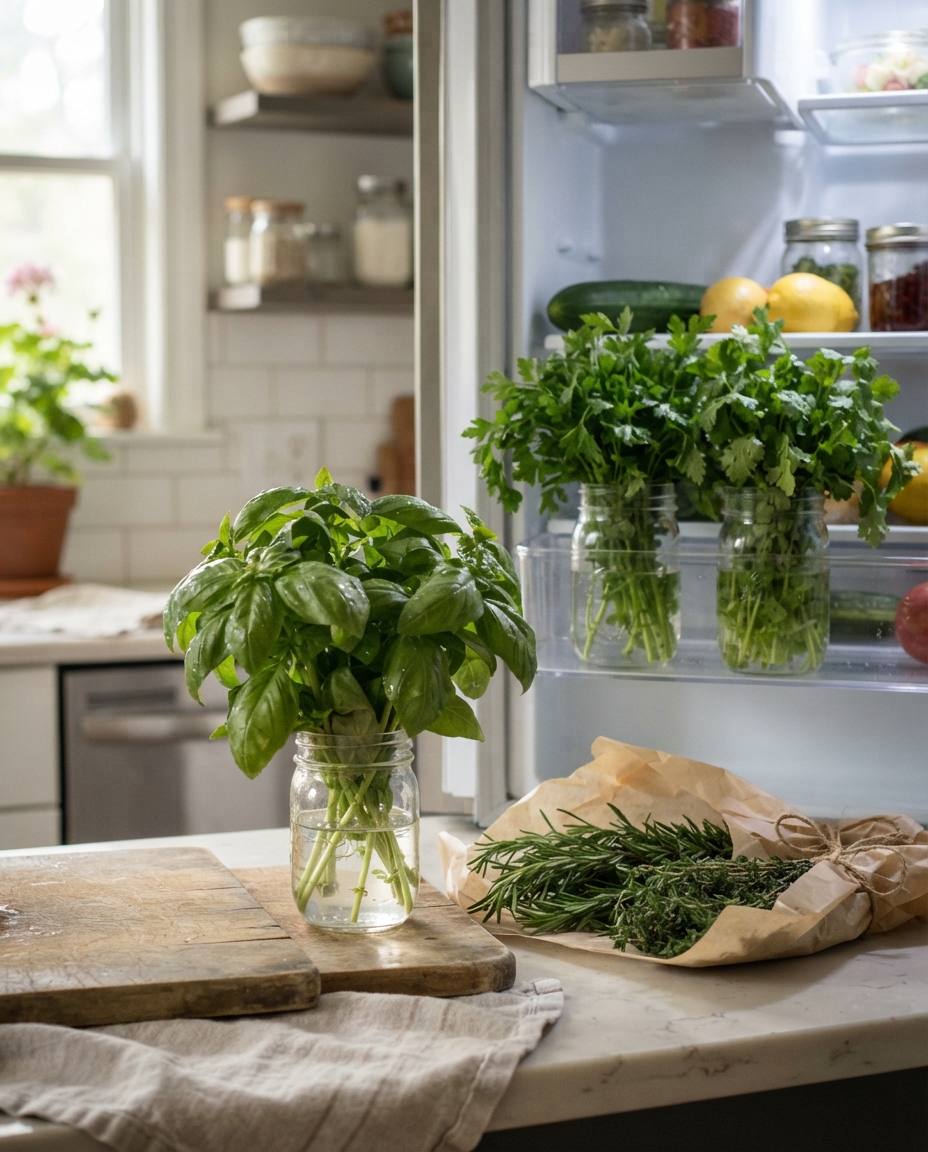
Hardier herbs such as rosemary and thyme contain less delicate leaf tissue and may be stored wrapped loosely in the refrigerator where they are protected from drying without being kept excessively wet. The important principle is to avoid sealing wet herbs in an airtight container. Leaves that remain covered in condensation can deteriorate quickly.
If you know that you cannot use the herbs while they are fresh, consider preserving them earlier rather than waiting until they have already wilted badly. Freezing, drying, pesto, herb butter, or other appropriate preparations can turn a surplus harvest into something useful instead of trying to stretch fresh storage beyond its realistic limit.
Fresh Herb Storage Comparison
| Herb Type | Examples | Useful Storage Approach |
|---|---|---|
| Tender leafy herbs | Parsley, cilantro | Stems in water; cool storage |
| Cold-sensitive tender herb | Basil | Stems in water at cool room temperature |
| Hardy woody herbs | Rosemary, thyme | Refrigerated with protection from drying |
| Vigorous soft herb | Mint | Stems in water or refrigerated, protected from drying |
Best for: Gardeners who harvest herbs regularly and often end up with small bunches left after cooking.
10. Preserve the Surplus Before “Fresh Storage” Becomes a Losing Battle
The most important vegetable-storage lesson is recognizing when fresh storage is no longer the right strategy. If the garden produces twenty pounds of tomatoes in one week, keeping them all on the counter and hoping to eat them before they soften is not really a storage plan. The same is true of overflowing beans, zucchini, peppers, herbs, greens, and other crops during peak harvest.
Preservation extends the usefulness of the garden beyond the natural fresh-storage life of the crop. Freezing works particularly well for many vegetables when they are prepared appropriately. Some vegetables benefit from blanching before freezing because the brief heat treatment slows enzyme activity that can otherwise affect quality during frozen storage. Peppers and certain other produce may be frozen with less preparation depending on how you intend to use them later.
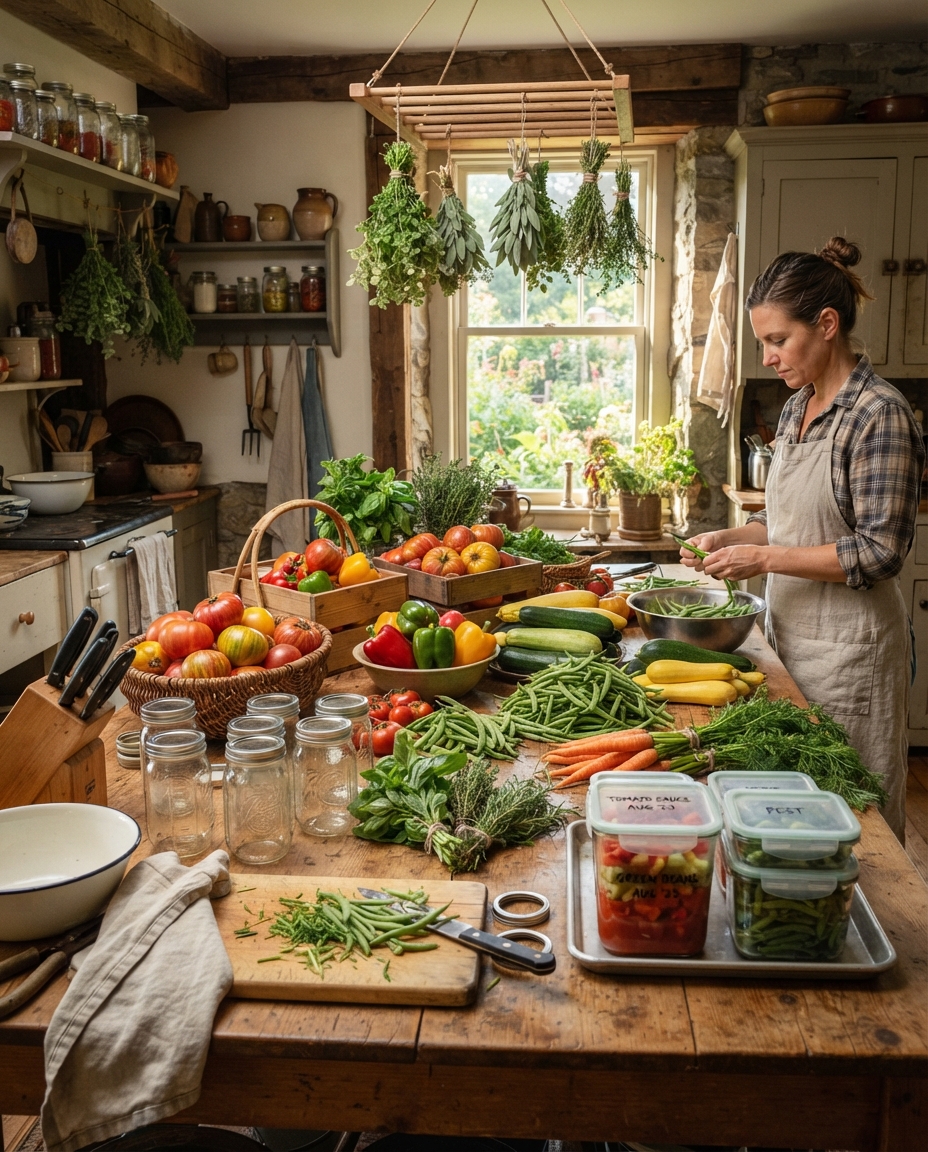
Drying is valuable for herbs, hot peppers, and certain other produce. Fermentation can preserve some vegetables while creating an entirely different food product. Home canning can also be extremely useful, but it requires tested recipes and correct processing methods because improvised canning procedures can create serious food-safety risks.
The key is preserving vegetables while they are still in good condition. Do not wait until tomatoes are collapsing, cucumbers are slimy, or peppers are beginning to rot before deciding to freeze or preserve them. Preservation does not restore spoiled produce. A weekly habit can help. Inspect the harvest and ask which vegetables are realistically going to be eaten within the next few days. Anything clearly exceeding that amount becomes a candidate for freezing, drying, fermenting, or safe canning.
Match the Surplus to the Preservation Method
| Crop | Fresh Storage | Good Preservation Options |
|---|---|---|
| Tomatoes | Short to moderate | Freezing, sauce, tested canning recipes |
| Green beans | Short | Blanch and freeze, tested canning methods |
| Peppers | Moderate | Freezing, drying for suitable varieties |
| Herbs | Short | Drying, freezing, pesto |
| Zucchini | Short | Freezing for cooked recipes, drying, prepared foods |
| Carrots | Moderate-long refrigerated | Blanch and freeze, appropriate preservation |
| Cucumbers | Short | Pickling using tested methods |
For home canning, use current tested guidance from a reliable food-safety authority rather than changing acidity, jar size, processing method, or timing based on guesswork.
Best for: Peak harvest season, larger vegetable gardens, homesteaders, and anyone who consistently grows more than the household can eat fresh.
The Four Things That Determine How Long Vegetables Last
Most storage advice becomes easier to understand when you stop thinking in terms of individual vegetables for a moment and focus on the four environmental variables that control deterioration.
Temperature
Lower temperatures generally slow plant respiration and microbial growth, which is why refrigeration extends the life of many vegetables. But colder is not automatically better. Tomatoes, basil, potatoes, and certain warm-season crops can lose quality when exposed to temperatures below their preferred range. That means a refrigerator is only one part of a good vegetable-storage system.
Humidity
Leafy greens and root vegetables lose quality quickly when they lose too much water, which is why they generally benefit from higher humidity. Storing onions and garlic needs much drier surroundings.
This difference explains why one refrigerator drawer, pantry shelf, or storage bin cannot provide ideal conditions for every vegetable at once.
Airflow
Cured onions, garlic, potatoes, and winter squash need enough airflow to prevent moisture from accumulating around their surfaces. Sealed plastic can trap condensation and accelerate deterioration. Tender refrigerated vegetables may need more protection from dry air, creating almost the opposite requirement.
Ethylene
Ethylene speeds ripening and aging in sensitive crops. Separating producing vegetables and fruits from sensitive produce can help reduce unwanted yellowing, softening, or deterioration.
Storage Environment at a Glance
| Vegetable Group | Temperature Preference | Humidity Preference | Airflow Need |
|---|---|---|---|
| Leafy greens | Cold | High | Moderate |
| Root vegetables | Cold | High | Moderate |
| Cured onions/garlic | Cool | Low | High |
| Potatoes | Cool | Moderate-high | High |
| Tomatoes | Room temperature while ripening | Moderate | Moderate |
| Winter squash | Cool | Moderate-low | Good |
| Summer squash/cucumbers | Refrigerated | Moderate-high | Moderate |
These are general categories rather than exact storage specifications; household conditions and crop variety still matter.
Should You Wash Garden Vegetables Before Storing Them?
The answer depends on the crop. For many long-storage vegetables, washing before storage provides little benefit and adds moisture that can encourage deterioration. Potatoes, cured onions, garlic, and winter squash generally do not need to be washed before being placed into storage. Brush off loose dry soil and wash them closer to the time of use.
Leafy greens are different because they may be prepared and washed soon after harvest, particularly when they contain soil or insects. If you wash them before refrigeration, however, removing surface water becomes critical.
Carrots, beets, cucumbers, peppers, and other refrigerated vegetables fall somewhere in the middle. They may be washed before storage if necessary, but there should not be visible water trapped around them afterward. The rule is therefore not “never wash vegetables before storage.”
A more useful rule is: do not put wet vegetables into storage unless the storage method is specifically designed to manage that moisture.
Which Vegetables Should Never Be Stored Together?
You do not need a separate refrigerator for every crop, but a few combinations are worth avoiding. Potatoes and onions are commonly stored together because both are pantry vegetables, yet separating them is generally better for long-term quality. They benefit from different humidity conditions, and close storage can increase deterioration.
Ethylene-producing crops such as ripe tomatoes and apples should also be kept away from sensitive vegetables such as cucumbers and leafy greens when practical. Strongly aromatic vegetables can also affect the storage environment of other produce, particularly in enclosed refrigerator spaces. Keeping onions, cut vegetables, and delicate greens in separate containers reduces cross-odor and moisture problems. The easiest system is to group vegetables by storage behavior rather than simply by where they came from in the garden.
A Practical Storage Chart for Common Garden Vegetables
Exact storage duration varies too much to promise a specific number for every home, but the following table gives a useful relative guide.
| Vegetable | Primary Storage Location | Storage Potential | Important Preparation |
|---|---|---|---|
| Lettuce | Refrigerator | Short | Cool quickly; manage moisture |
| Kale | Refrigerator | Short-moderate | Prevent drying |
| Tomato | Counter while ripening | Short | Single layer; refrigerate only when needed |
| Cucumber | Refrigerator | Short | Keep dry and away from ethylene |
| Pepper | Refrigerator | Moderate | Dry, intact fruit |
| Zucchini | Refrigerator | Short | Avoid bruising and trapped moisture |
| Carrot | Refrigerator/high-humidity storage | Moderate-long | Remove tops |
| Beet | Refrigerator/high-humidity storage | Moderate-long | Remove most foliage |
| Potato | Cool, dark, ventilated storage | Long | Cure and keep out of light |
| Onion | Cool, dry, ventilated storage | Long if storage variety | Cure thoroughly |
| Garlic | Cool, dry, ventilated storage | Long | Cure thoroughly |
| Winter squash | Cool, dry storage | Moderate-long depending on variety | Cure where appropriate |
| Basil | Cool room conditions | Short | Stems in water |
| Parsley | Refrigerator | Short-moderate | Stems in water or protected storage |
“Long” does not mean indefinite. Check stored produce regularly and remove deteriorating vegetables promptly.
How to Design a Simple Garden-Harvest Storage System at Home
A useful storage system does not require a traditional underground root cellar. You can create several small storage zones using spaces you already have. The refrigerator handles high-humidity vegetables such as greens, roots, peppers, cucumbers, and summer squash. One or two drawers can be separated by ethylene sensitivity. A pantry or cooler utility area can handle cured onions and garlic as long as the space remains dry and ventilated.
Potatoes can occupy a dark ventilated bin in the coolest suitable location available, separate from onions and away from light. Winter squash can sit on open shelves where individual fruit remains visible. Tomatoes and basil may temporarily occupy the kitchen counter or another mild room-temperature location. The freezer then becomes the pressure-release valve for harvest surpluses. This is much more effective than putting every vegetable into the refrigerator by habit.
Example Home Storage Zones
| Zone | Good Candidates |
|---|---|
| Refrigerator high-humidity drawer | Greens, carrots, beets |
| Refrigerator general produce area | Peppers, zucchini |
| Separate refrigerator section | Cucumbers away from ethylene producers |
| Kitchen counter | Ripening tomatoes, basil |
| Cool dark bin | Potatoes |
| Dry ventilated pantry shelf | Onions, garlic |
| Cool open shelving | Winter squash |
| Freezer | Blanched or prepared garden surplus |
How to Inspect Stored Vegetables Before They Spoil the Rest
Long-term storage is not a “put it away and forget it” system. Stored produce should be checked regularly because one damaged vegetable can deteriorate much faster than the surrounding harvest. Look for soft areas, leaking liquid, unusual odors, visible mold, excessive sprouting, shriveling, or dramatic color changes. Remove questionable items promptly rather than leaving them pressed against healthy produce.
This is especially important with potatoes, onions, winter squash, and root vegetables that may remain stored for weeks or months. Their long potential storage life makes it easy to forget that conditions can change. Rotate older produce toward the front and use it first.
This simple habit creates a practical version of first-in, first-out inventory management in the home kitchen. A garden harvest becomes much easier to manage when you know what you have and can see what needs to be used next.
Storage Is Part of Garden Planning
Vegetable storage should actually influence what you plant. If every vegetable in the garden reaches peak harvest during the same three-week period, the household may suddenly have far more produce than it can use. A better garden can stagger crops according to how they will be eaten and stored. Plant salad greens in repeated small batches rather than one massive sowing.
Grow enough summer squash for regular meals without automatically planting more than the household can consume. Include some crops intended for fresh eating and others specifically chosen for longer storage. A garden with tomatoes, lettuce, cucumbers, storage onions, potatoes, carrots, garlic, and winter squash creates a very different harvest calendar from a garden composed entirely of fast-spoiling summer vegetables.
Variety selection can matter too. Some onions, squash, potatoes, cabbages, and other vegetables are better suited to storage than others. If long-term food storage is one of your gardening goals, choose varieties with that purpose in mind before the seeds ever go into the ground.
Common Vegetable Storage Mistakes
One of the biggest mistakes is putting every vegetable into the refrigerator automatically. Refrigeration helps many crops, but potatoes, ripening tomatoes, basil, cured onions, garlic, and winter squash have different requirements. Another mistake is washing everything and putting it away wet. Moisture trapped inside a bag or container creates ideal conditions for rapid deterioration in many vegetables.
Overfilling storage containers causes similar problems. Produce needs enough space that crushed or damaged vegetables can be noticed and airflow is not eliminated. Ignoring ethylene can shorten the life of sensitive produce, particularly when ripening fruit and delicate greens share the same confined drawer.
Finally, many gardeners wait too long to preserve a surplus. By the time a vegetable looks clearly overripe, soft, or damaged, much of its best quality has already been lost. Good storage begins immediately after harvest. Good preservation begins before fresh storage fails.
FINAL THOUGHTS
The easiest way to make a garden more productive is not always to grow more food. Sometimes it is simply to lose less of what you already grow. A head of lettuce that remains crisp for several extra meals is part of the harvest. A basket of onions that lasts through the season instead of softening in a damp container is part of the harvest.
So are the carrots that stay firm, the cured squash still sitting on the pantry shelf weeks later, the herbs frozen before they wilted, and the tomatoes turned into something useful before the counter became overwhelmed.
Vegetable storage is therefore an extension of gardening itself. Harvest carefully. Cool tender vegetables quickly. Keep moisture where it helps and remove it where it causes problems. Let onions, garlic, potatoes, and squash develop the protective qualities that make long-term storage possible. Separate vegetables with conflicting storage needs.
Pay attention to ethylene. Inspect what you have. And when fresh storage is no longer realistic, preserve the surplus while the produce is still at its best. The goal is not to make a cucumber last as long as a potato. It is to understand what each vegetable naturally needs and give it the conditions that slow deterioration without sacrificing more quality than necessary.
Once you begin storing vegetables by crop rather than treating the refrigerator as the answer to everything, the garden harvest becomes far easier to manage. And considerably less of it ends up wasted.