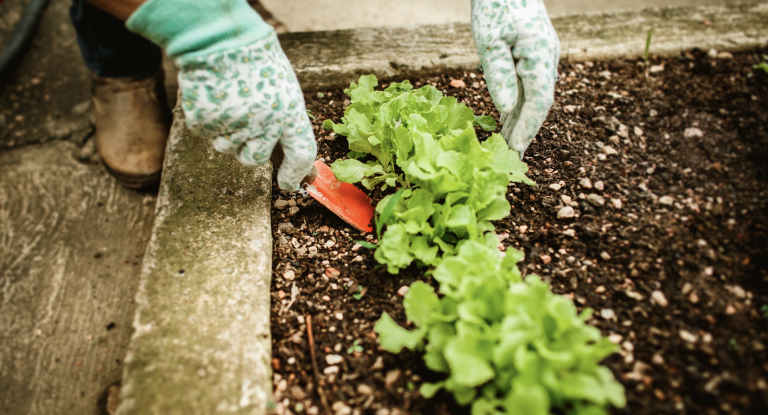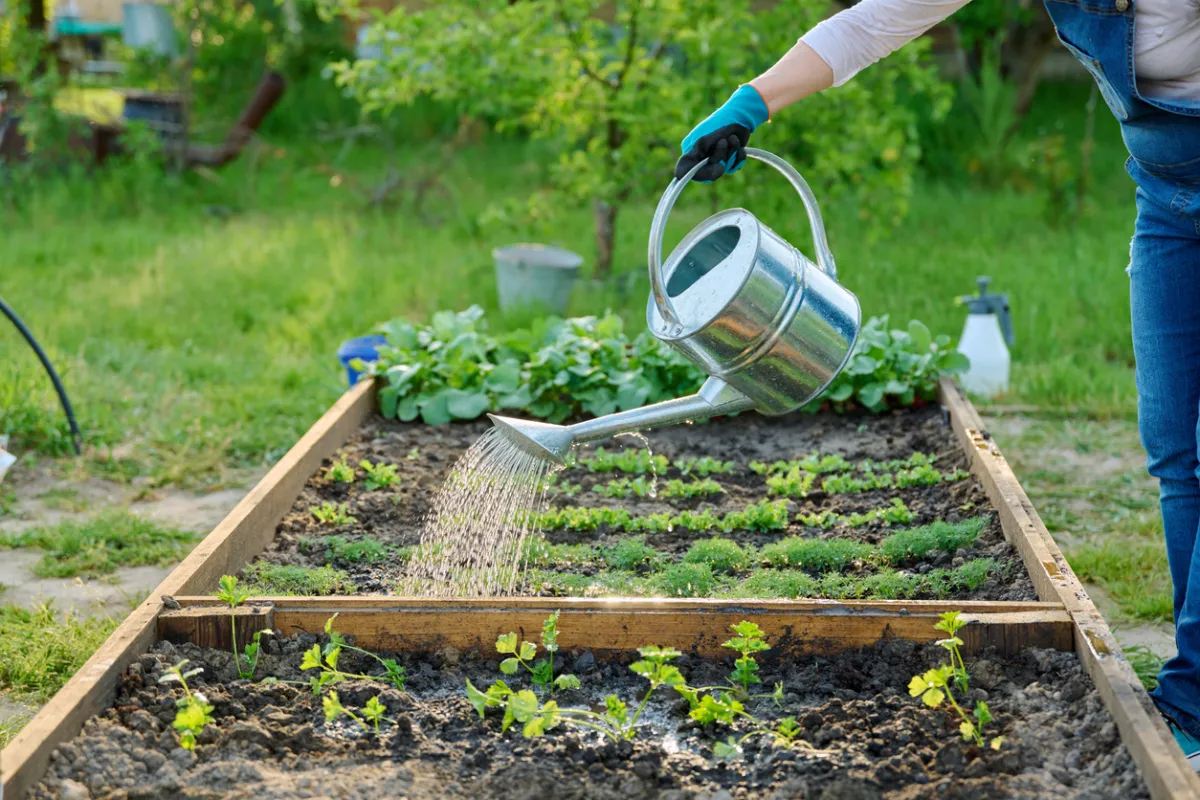
A small backyard does not necessarily need more square footage to become more productive. In many cases, it simply needs a better layout. Traditional gardens can lose a surprising amount of usable space to wide walking paths, awkward corners, sprawling plants, and rows that are larger than the gardener can realistically maintain. Raised beds approach the same backyard differently. Instead of treating the entire yard as one garden, they divide it into smaller growing zones where soil, spacing, irrigation, and crop placement can be managed much more intentionally.
That control is especially valuable when space is limited. A four-foot-wide bed placed in the right location can grow far more efficiently than a much larger patch that is poorly arranged. Trellises can move cucumbers, beans, peas, and tomatoes upward instead of allowing them to spread across the ground. Narrow beds along fences can turn forgotten strips of yard into growing space. Deep beds can support vegetables with larger root systems, while shallow herb beds can use areas where a full vegetable garden would be unnecessary.
The most productive raised bed is therefore not always the biggest one. It is the bed designed around what you want to grow, how you move through the yard, how much sunlight the area receives, and how easily you can reach the plants once everything is fully grown. A good small-space garden should also be pleasant to maintain. If harvesting lettuce requires stepping over tomato vines or watering the back corner means squeezing between two beds that are too close together, the layout may technically fit but it is not truly efficient. Productive gardening depends as much on access and maintenance as it does on planting density.
The ideas below are designed with that balance in mind. Some focus on fitting more growing space into a small yard, while others improve vertical use, succession planting, irrigation, access, or organization. Together, they show how raised beds can turn a modest backyard into a garden that feels much larger than it really is.
1. Use Narrow Rectangular Beds Instead of One Oversized Garden
One of the most effective ways to make a small backyard garden more manageable is to divide the growing area into several narrow beds rather than building one enormous rectangle. A bed that can be comfortably reached from both sides allows you to plant across nearly the entire surface without needing to step into the soil, while multiple beds make it easier to organize crops according to their size and growing habits.
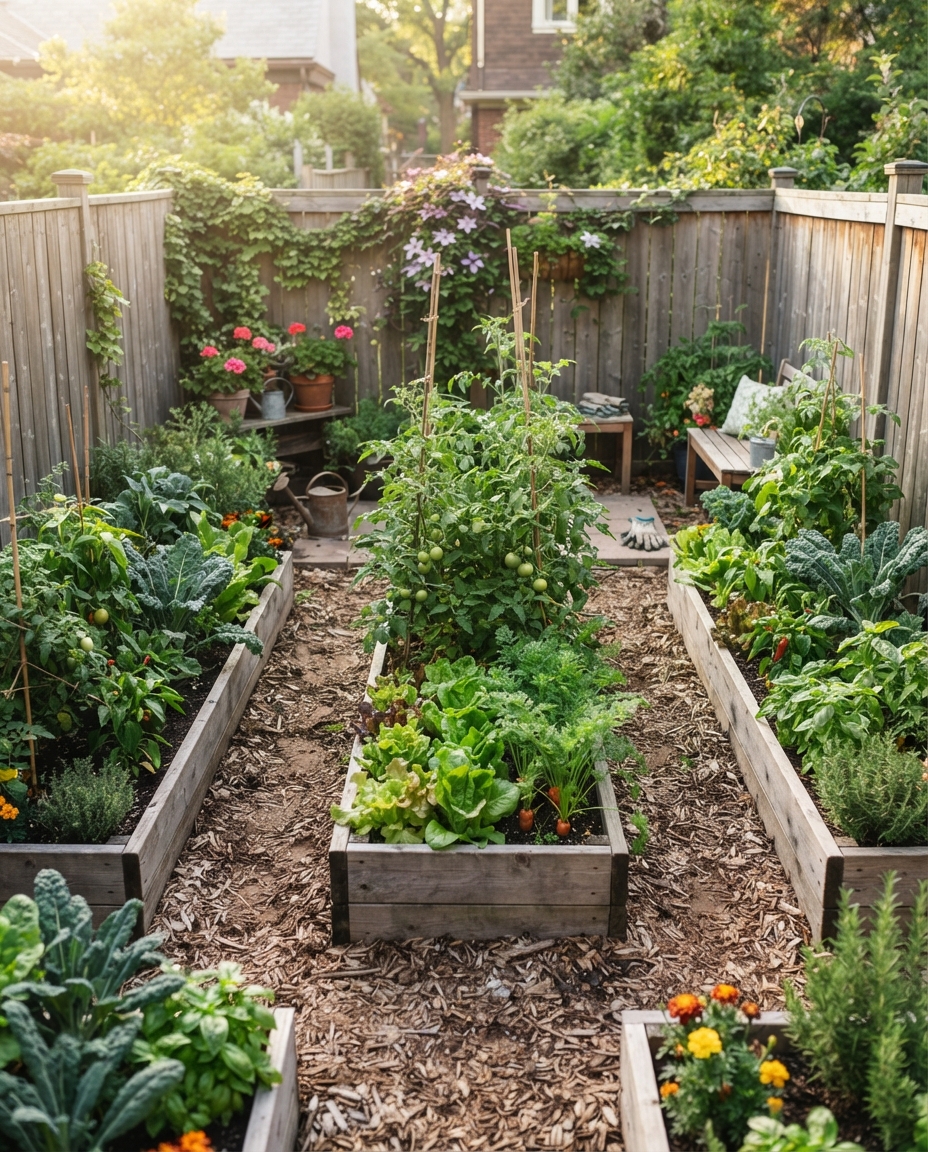
A width of roughly three to four feet works well for many gardeners because the center remains reachable from either side. If a bed is positioned against a fence or wall and can only be accessed from one side, making it narrower is usually more practical. The exact measurement matters less than one simple test: you should be able to reach every plant without climbing into the bed.
Several rectangular beds also make crop planning easier. One can hold tomatoes and basil, another can contain salad greens and radishes, while a third can be reserved for peppers, carrots, or seasonal succession planting. Dividing crops this way prevents one vigorous plant from taking over the entire garden and makes it easier to amend or replant one section without disturbing everything else.
In a small backyard, straight rectangular beds are also easier to fit along fences, patios, sheds, and property lines than elaborate shapes. The layout may look simple, but simplicity is often what makes a garden easier to use consistently.
Best for: Small urban backyards, beginners, vegetable gardens, and anyone who wants a straightforward layout that is easy to plan and maintain.
Planning note: Leave enough space between beds for comfortable harvesting, watering, and moving a wheelbarrow or garden cart if you use one.
2. Place Raised Beds Along the Fence Line
Fence lines are often some of the most underused areas in a backyard. They may hold a few decorative plants or remain empty while the center of the yard is expected to handle every gardening function. Narrow raised beds placed along a sunny fence can turn this otherwise passive strip into productive growing space without taking over the yard.
The design works particularly well when the bed is kept narrow enough to reach comfortably from the open side. Herbs, leafy greens, peppers, strawberries, bush beans, compact tomatoes, and many root vegetables can all work well depending on bed depth and sunlight.
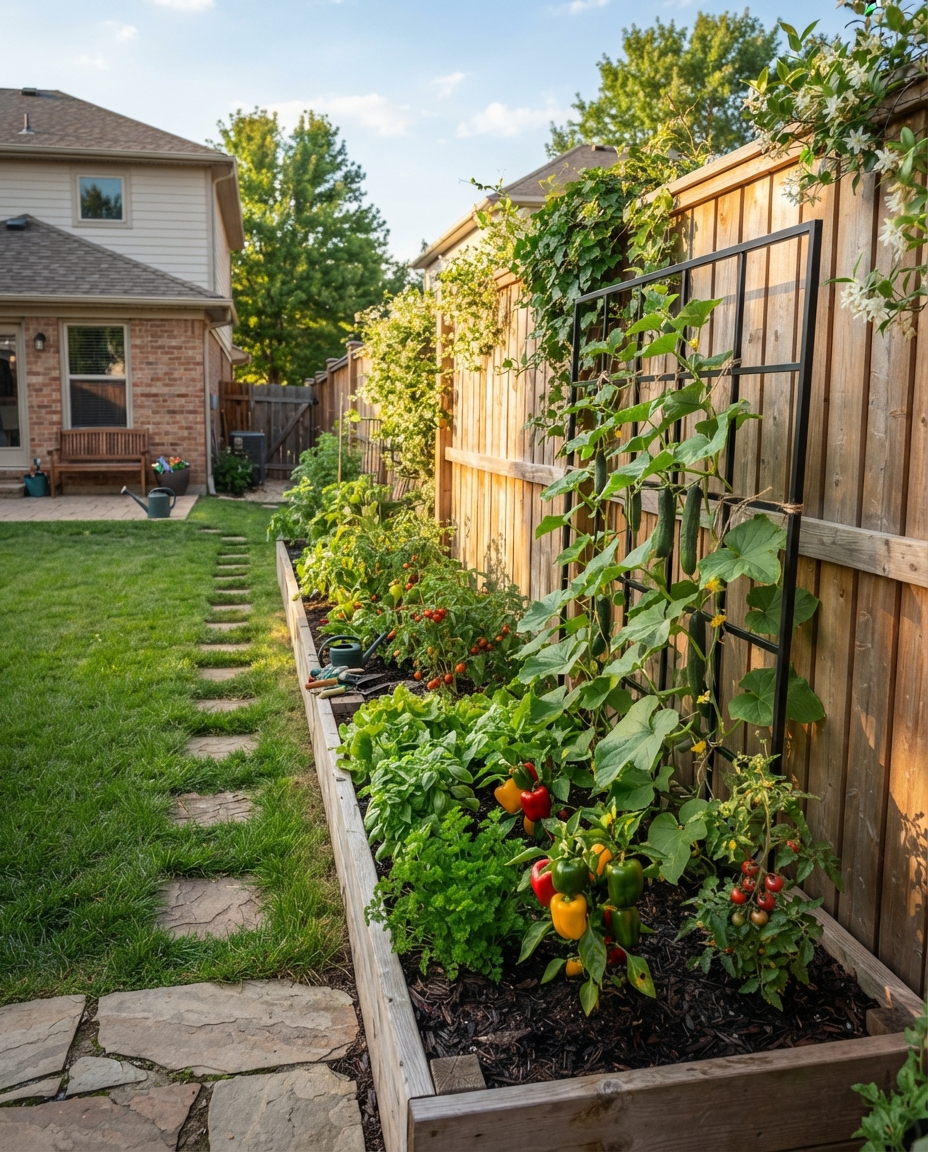
The fence can also become part of the garden infrastructure. A trellis attached slightly in front of it can support peas, cucumbers, pole beans, and other climbing crops, allowing the garden to use vertical space that would otherwise contribute nothing to production.
Be aware of shade patterns before building. A tall solid fence can cast significant shade depending on its orientation and the time of year, so observe the site rather than assuming every fence line is equally suitable. A sunny section may be ideal for fruiting crops, while a partially shaded area may be more appropriate for crops that tolerate less intense sunlight.
A fence-line bed works best when it feels integrated into the yard rather than squeezed into leftover space. Keeping the edges straight and the planting intentional can make even a very narrow vegetable strip look like a designed feature.
Best for: Narrow backyards, side yards, small lawns, and spaces where preserving the center of the yard is important.
3. Add a Trellis to the North or Back Side of the Bed
When ground space is limited, growing upward becomes one of the easiest ways to increase what a single raised bed can support. Trellises allow crops such as peas, pole beans, cucumbers, indeterminate tomatoes, and some small-fruited vines to occupy vertical space rather than sprawling over neighboring plants.
Placement matters because a tall wall of foliage can shade shorter crops. In many Northern Hemisphere gardens, positioning tall trellised plants toward the north side of the bed can help reduce the amount of shade they cast across lower-growing vegetables, although the ideal placement still depends on the orientation and surroundings of the individual yard.
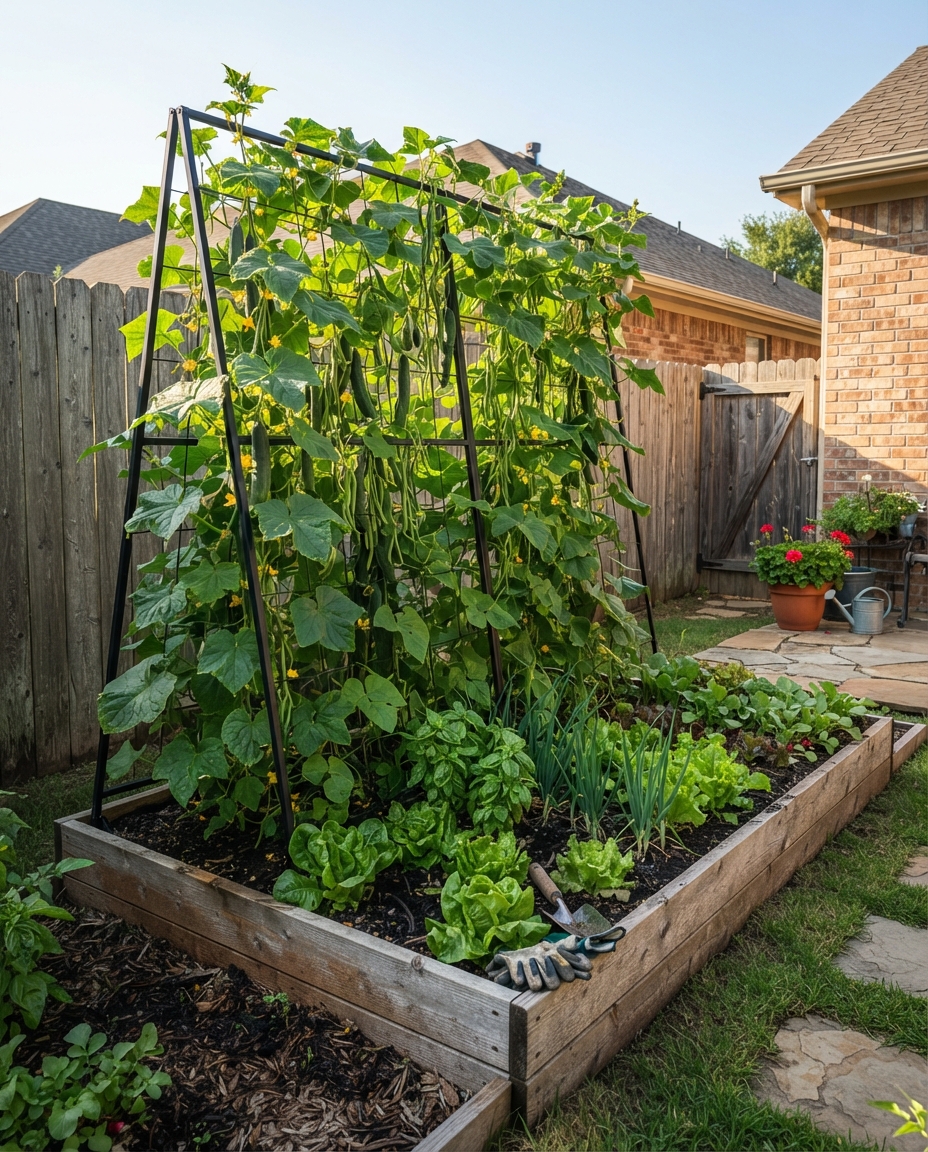
The structure does not need to be complicated. Cattle panels, sturdy wire mesh, wooden lattice, garden netting, or simple metal trellis panels can all work when they are securely anchored and appropriate for the weight of the crop.
Once the climbing plants are elevated, the lower portion of the bed can often support another layer of crops. Lettuce, basil, radishes, green onions, and other compact plants may be grown below or in front of the trellis as long as light and airflow remain adequate. That combination is one of the most useful ways to make a small raised bed perform more than one job at the same time.
A vertical garden also makes harvesting easier because fruit is less likely to disappear under a mass of vines at ground level. The garden becomes easier to see, easier to reach, and often easier to keep organized.
Best for: Cucumbers, beans, peas, tomatoes, compact backyard gardens, and gardeners who need more production without adding another bed.
4. Build an L-Shaped Raised Bed Around a Corner
Small yards often contain awkward corners where a traditional rectangular bed does not fit naturally. An L-shaped raised bed can turn that dead space into a useful planting area while following the existing geometry of fences, sheds, patios, or garden walls.
The shape can be particularly effective around the edge of a patio because it creates growing space without dividing the backyard into separate zones. One side might hold vegetables while the shorter section carries herbs or pollinator-friendly flowers, creating a productive border rather than a standalone garden structure.
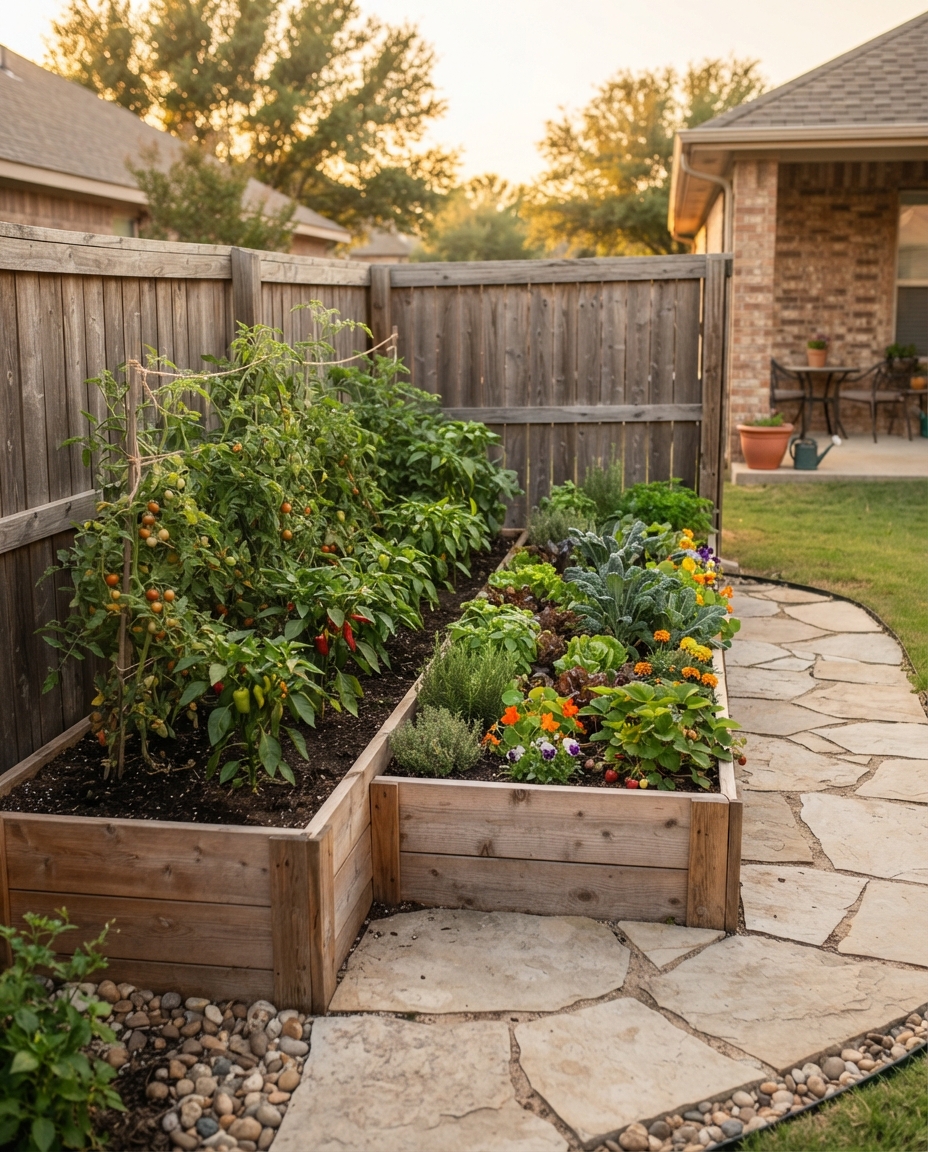
Accessibility needs more thought with an L-shape because the inside corner can become difficult to reach if the bed is too deep. Keep each arm narrow enough that the soil can be reached easily from the surrounding path, and avoid creating a large inaccessible block where the two sections meet.
L-shaped beds also offer natural opportunities for crop organization. Tall plants can occupy one arm while shorter crops fill the other, or one section can become a permanent herb bed while the second is replanted throughout the season.
Because the shape feels more architectural than several scattered containers, it can help a productive vegetable garden look intentional even in a polished residential backyard.
Best for: Patio corners, fence intersections, compact landscaped yards, and gardeners who want productive beds to feel integrated into the overall design.
5. Use a U-Shaped Bed to Create a High-Production Garden Zone
A U-shaped raised bed can create a surprisingly large amount of growing area while keeping the center accessible as a dedicated working space. Rather than walking around several separate beds, the gardener steps into the open center of the U and can reach crops on three sides.
This can be particularly useful in a compact yard where you want one concentrated vegetable-growing area instead of spreading beds throughout the entire property. The outer perimeter may support taller crops or trellises, while shorter herbs, greens, onions, or root vegetables can fill the sections closer to the center.
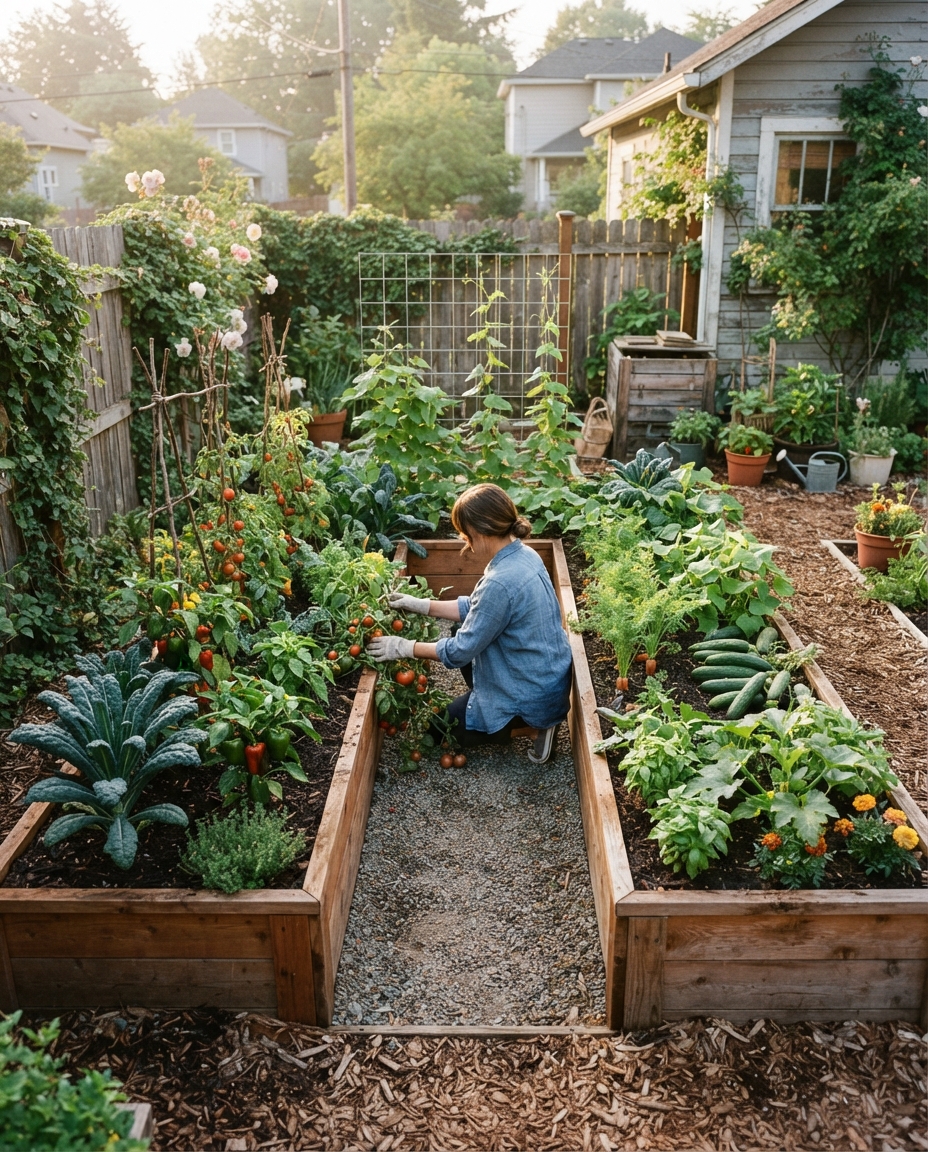
The dimensions need to be chosen carefully. If the arms are too wide, parts of the bed become unreachable. If the center aisle is too narrow, harvesting becomes uncomfortable once the plants mature and begin leaning into the path.
The U shape also works well with drip irrigation because supply lines can be routed through one concentrated garden zone instead of stretching across multiple distant beds.
A well-designed U-shaped bed feels almost like an outdoor garden workstation. Tools, harvesting baskets, watering equipment, and the plants themselves remain concentrated in one part of the yard, which can make routine maintenance faster.
Best for: Gardeners who want maximum growing area in one compact footprint and prefer working from a central aisle.
6. Turn One Bed Into a Dedicated Salad Garden
A productive garden does not always mean growing the largest vegetables. For a small household, a bed planted intensively with crops that are harvested frequently can be more useful than dedicating most of the yard to one or two large plants.
A salad bed is a perfect example.
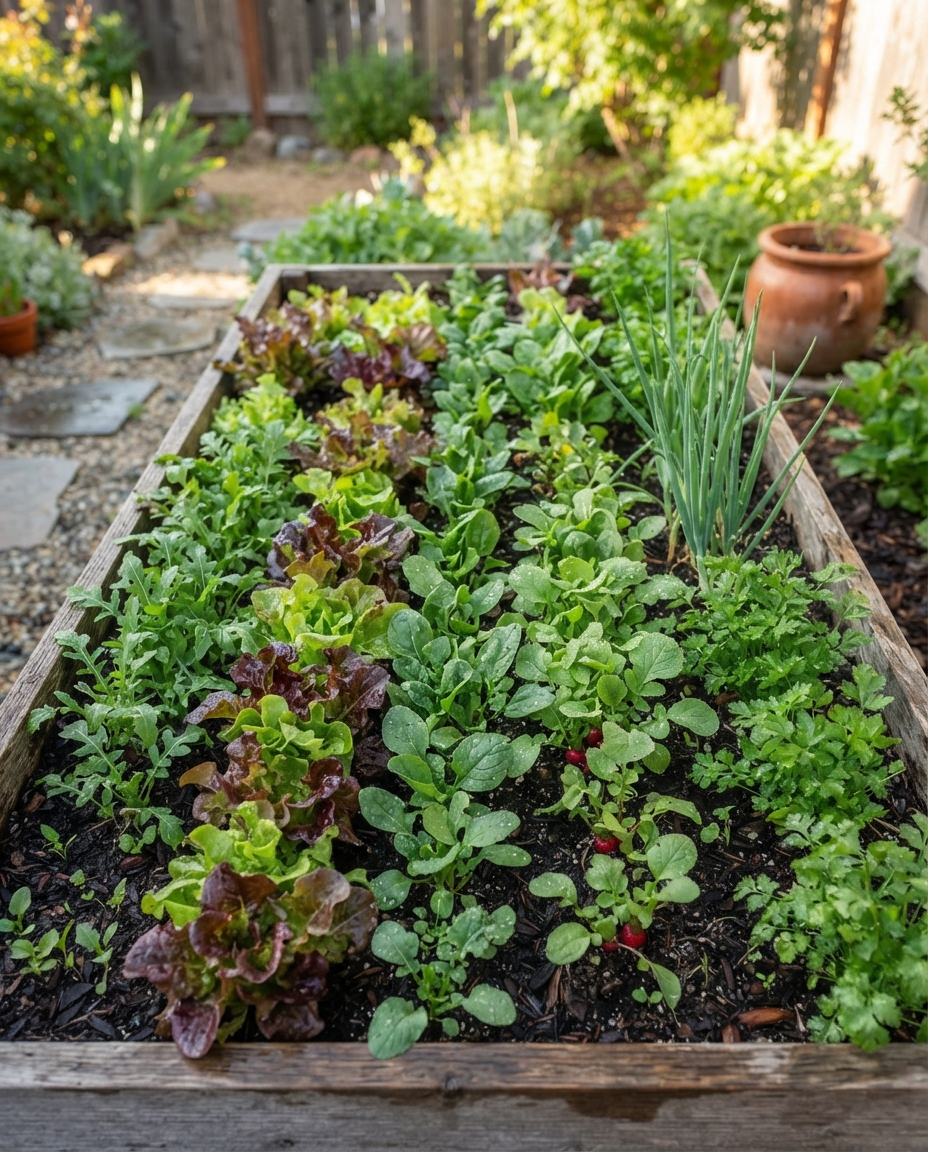
Lettuce, arugula, spinach, radishes, scallions, baby kale, parsley, cilantro, and other compact crops can share a relatively small area when spacing is planned carefully. Because many are harvested young or replanted throughout the season, the same bed can produce several rounds of food rather than one single harvest.
The biggest advantage is convenience. When these crops are scattered throughout a mixed garden, small harvests can feel inconvenient. Grouping them into one bed creates an area specifically designed for frequent cutting.
Succession sowing makes the bed significantly more productive. Instead of planting every lettuce seed on the same day, sow smaller amounts at intervals so everything does not mature simultaneously. When one row of radishes or greens is harvested, replant that space rather than allowing it to remain empty for the rest of the season.
The result is not necessarily a dramatic-looking garden, but it can be one of the most useful beds in the entire backyard.
Best for: Small households, frequent salad eaters, beginner gardeners, and anyone who wants quick-growing crops from a limited amount of space.
7. Create a Deep Bed for Root Crops
Carrots, parsnips, beets, potatoes, and other root crops become much easier to grow when the soil is loose, deep, and relatively free of stones or compacted layers. A deeper raised bed allows you to create that environment intentionally rather than trying to correct difficult native soil across an entire garden.
The bed does not need to be filled with expensive bagged soil. What matters is providing a growing zone appropriate for the crop while maintaining drainage and avoiding materials that compact heavily. The exact soil blend will depend on local availability and the crops you intend to grow, but a loose, well-draining structure is generally easier for root development than dense clay.
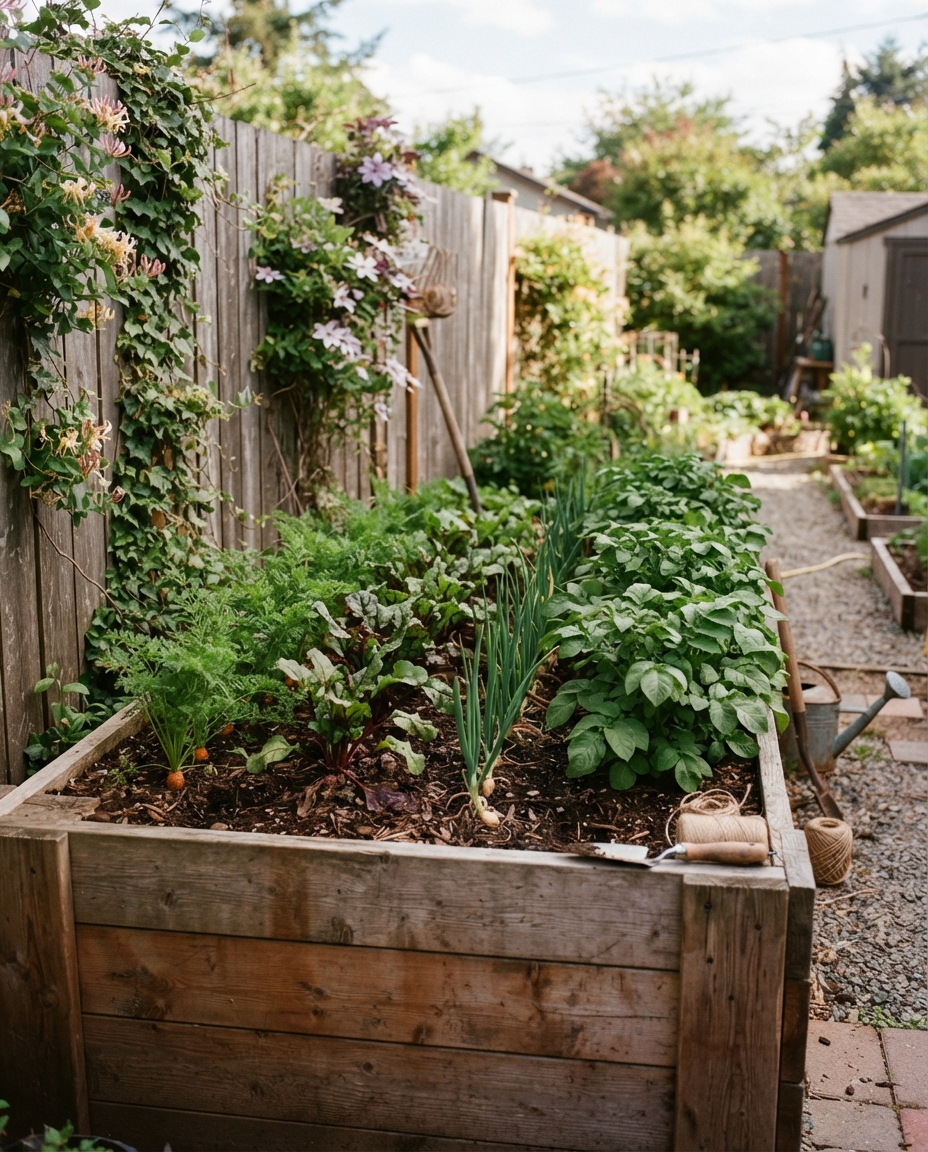
A dedicated root bed also simplifies planting because crops with similar harvesting styles can be kept together. Instead of disturbing tomatoes or perennial herbs while digging potatoes or pulling carrots, you can work through one bed without affecting unrelated plants.
For small gardens, vertical depth is an overlooked form of space. A deeper bed may occupy the same footprint as a shallow one, but it opens the area to crops that would otherwise struggle in poor native ground.
Best for: Carrots, beets, parsnips, potatoes, and yards with compacted or difficult soil.
8. Use Tiered Beds on a Sloped Backyard
A sloping backyard can make traditional vegetable gardening inconvenient because water, soil, and mulch tend to move downhill. Instead of fighting the slope, tiered raised beds can turn elevation changes into separate level growing areas.
Each bed follows the contour of the yard, creating flat soil surfaces that are easier to plant and irrigate. The tiers can be simple wooden rectangles, stone-edged beds, or retaining-style structures depending on the slope and budget.
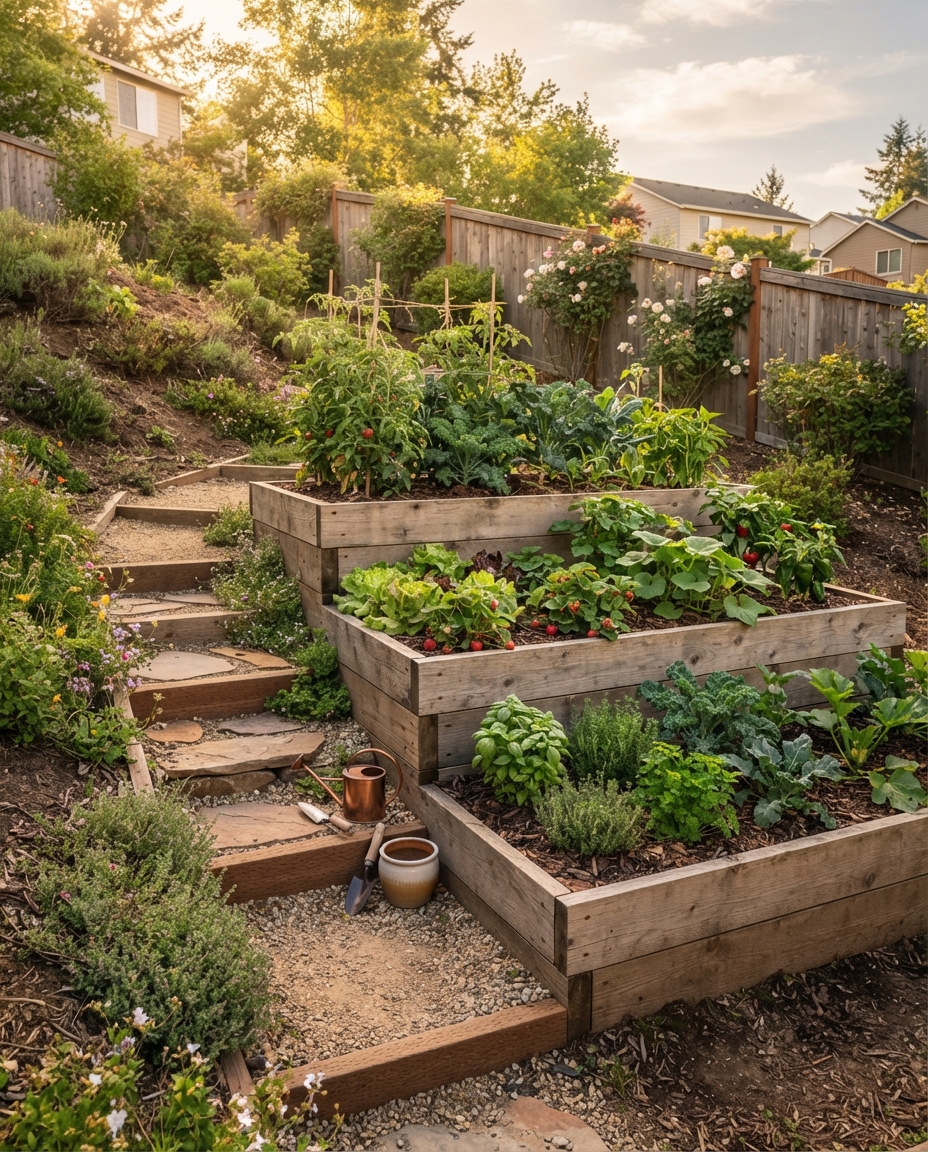
The layout also creates useful differences in planting height. Tall crops can be placed where they will not shade everything below, while herbs, strawberries, greens, and compact vegetables can fill lower tiers.
Drainage needs special consideration. Water moving downhill should not be allowed to collect against structures or flood the lowest bed, so the overall site should be planned carefully rather than simply stacking boxes on the slope.
When properly designed, a tiered vegetable garden can make an awkward backyard look more organized while transforming land that might otherwise be difficult to use productively.
Best for: Sloped yards, hillside gardens, and backyards where flat garden space is limited.
9. Combine Vegetables, Herbs, and Flowers in the Same Bed
A small backyard rarely has enough space to create a separate vegetable garden, herb garden, and flower garden without sacrificing useful growing area. Mixing them within the same raised beds can make the garden more productive while also improving its appearance.
Tall vegetables can provide structure, herbs can fill smaller spaces around them, and low-growing flowers can soften the edges. A tomato plant might share a bed with basil and parsley, while calendula, nasturtiums, alyssum, or other suitable flowers bring additional color.
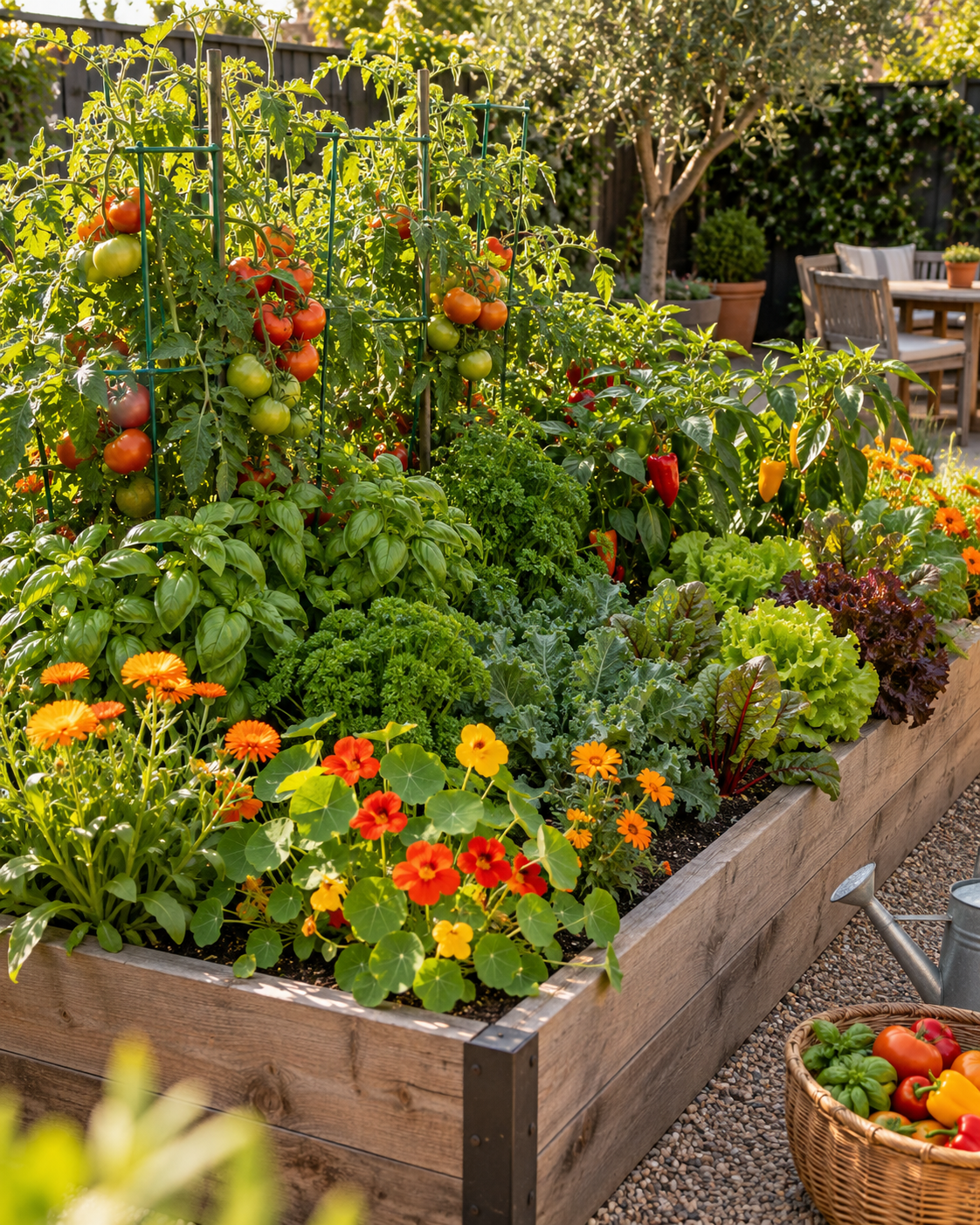
The key is to avoid treating every empty inch as a place that must immediately be filled. Plants grow significantly larger during the season, and a bed that looks sparse in spring can become crowded by midsummer. Leave enough room for mature size, airflow, and comfortable harvesting.
Combining edible and ornamental plants is especially useful when the garden is visible from a patio or entertaining area. Instead of appearing purely utilitarian, the beds become part of the backyard landscape.
This approach can also encourage gardeners to harvest herbs more frequently because they are integrated into the main garden rather than isolated in forgotten pots.
Best for: Small attractive backyards, kitchen gardens, patios, and gardeners who want food production without sacrificing visual appeal.
10. Add Drip Irrigation or a Soaker Line From the Beginning
Raised beds are easier to water efficiently when irrigation is planned before the plants become large. Dragging a hose across a small backyard is manageable early in the season, but once trellises, tomato cages, and mature foliage fill the garden, hand watering can become surprisingly time-consuming. A simple drip line or soaker system places water directly into the bed and reduces the need to repeatedly move watering equipment through narrow paths.
The exact system can be as simple or sophisticated as necessary. Some gardeners connect a basic pressure-regulated drip kit to an outdoor faucet, while others use individual lines for each bed. The important part is distributing water evenly enough that one section does not remain dry while another is continually saturated.
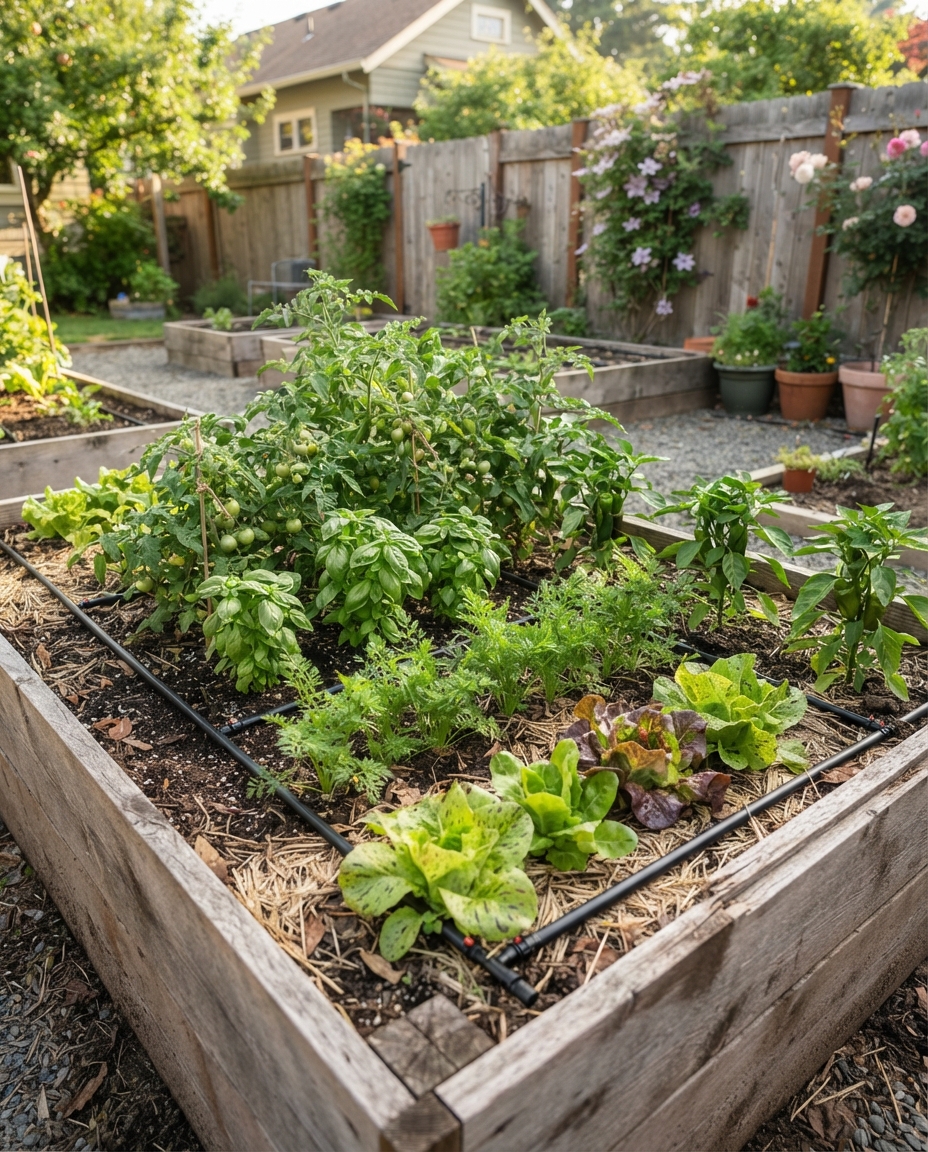
Mulch can make the system even more effective by reducing rapid surface drying and helping moisture remain more consistent between watering cycles.
For small gardens, irrigation is not merely a convenience. It can improve productivity because a garden that is easy to water is more likely to be watered consistently during hot or busy periods.
Install the basic lines while the beds are still open and easy to reach. Adjusting them later is possible, but doing the work before the plants fill the space is considerably easier.
Best for: Busy gardeners, hot climates, multiple raised beds, and anyone trying to reduce daily maintenance.
11. Use a Narrow Bed for Strawberries Along a Patio Edge
Strawberries are particularly well suited to narrow raised beds because they do not require the same deep growing area as many larger vegetables and can form an attractive edible border.
A bed running along the edge of a patio, walkway, or fence can hold multiple strawberry plants while consuming relatively little usable backyard space. Their low growth habit means they do not create the visual wall that tomatoes or climbing beans would produce in the same location.
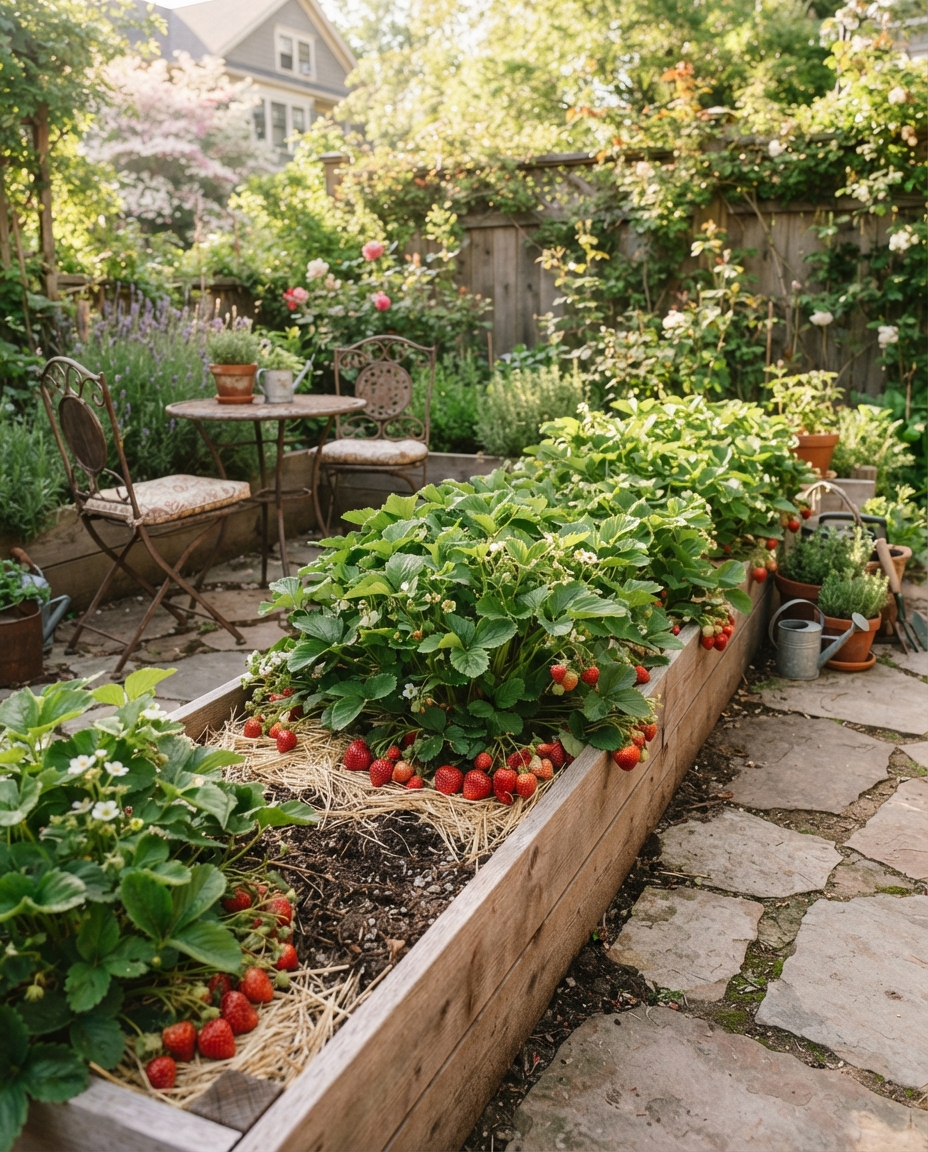
Raised planting can also make harvesting more convenient because the berries are easier to see and reach than when plants are hidden at ground level. Mulching around the plants helps keep fruit from resting directly against exposed soil and can reduce competition from weeds.
If the bed is beside a patio, consider how runners will be managed. Some varieties produce vigorous runners that may attempt to spread outside the bed, so regular trimming or deliberate propagation can keep the planting organized.
A dedicated strawberry strip is a good example of matching the crop to the space rather than forcing every plant into the main vegetable beds.
Best for: Patio edges, families, small gardens, and gardeners who want a productive perennial or semi-permanent bed.
12. Create a Four-Season Bed With Removable Covers
A small raised garden becomes more productive when the bed does not sit empty for large portions of the year. Removable hoops, row covers, insect netting, or other appropriate seasonal protection can extend how long certain crops remain usable and can protect young plants from some weather or pest pressure.
The easiest version uses simple hoops mounted across the bed with material that can be attached or removed according to conditions. The same structural frame may support insect mesh during one part of the season and lightweight protection during another, depending on climate and crop needs.
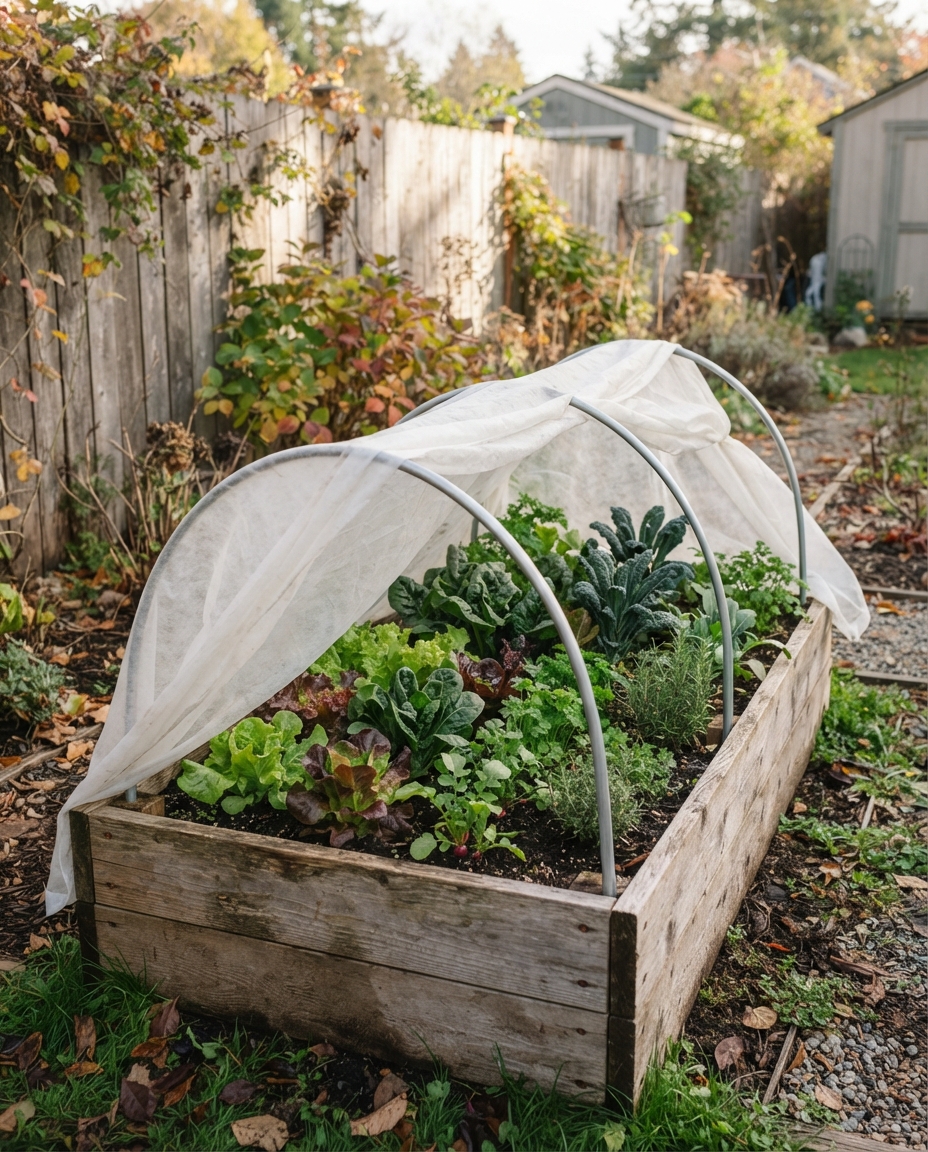
The goal is not to turn a raised bed into a fully climate-controlled greenhouse. It is to give the gardener more flexibility around planting dates and crop protection.
Cool-season vegetables such as lettuce, spinach, kale, radishes, and some herbs can be particularly useful in a bed like this because they may be planted before or after heat-loving crops depending on local conditions.
For a small backyard, extending the productive season of an existing bed is often more realistic than adding additional beds. The same square footage simply works for more months of the year.
Best for: Gardeners interested in succession planting, cool-season crops, and making limited bed space useful for a longer season.
13. Add a Small Herb Bed Near the Back Door
The most productive bed in the backyard is not always the one producing the greatest weight of food. A small herb bed positioned close to the kitchen can be extremely valuable because it is harvested frequently. Basil, parsley, chives, thyme, oregano, cilantro, dill, sage, rosemary, and other herbs can fit into a relatively compact space, although their individual growing requirements differ and some perennial herbs eventually need more room than annual varieties.
Location is what makes the bed useful. When herbs are tucked into the farthest corner of the backyard, it is easy to forget them while cooking. When they are positioned near the kitchen door, harvesting a handful becomes part of preparing the meal rather than a separate gardening task.
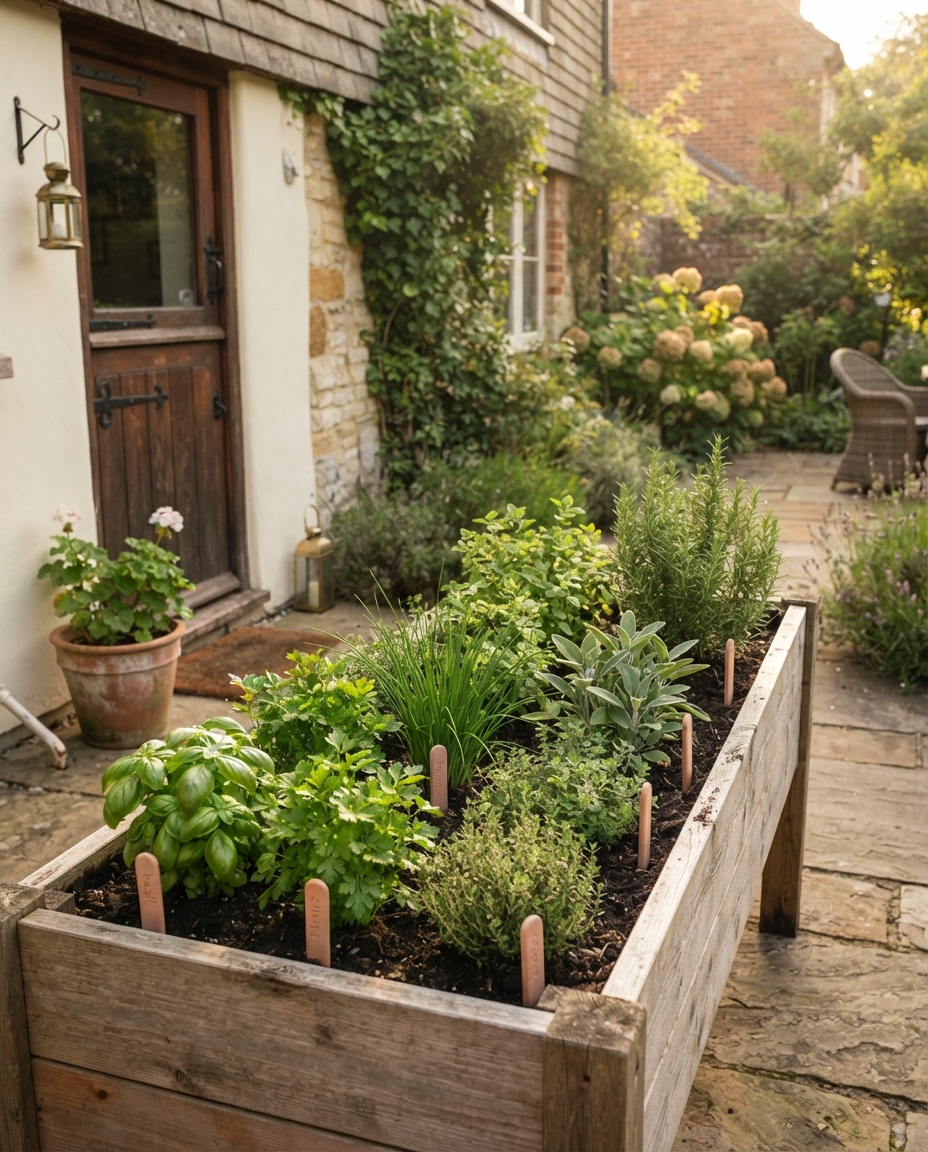
A narrow elevated bed can work particularly well because herbs do not need to occupy the main vegetable garden. Keeping the bed visually neat also makes it appropriate beside a patio or entrance. Consider separating vigorous spreaders from slower-growing herbs if necessary. Not every herb behaves politely when planted in a shared space, so containers placed within or beside the bed can sometimes provide better control.
Best for: Home cooks, patios, kitchen-adjacent spaces, and anyone with very limited vegetable-growing room.
14. Design One Bed Specifically for Succession Planting
One of the most common reasons small gardens underperform is that harvested space remains empty for weeks or months afterward. Succession planting treats the bed as a continuously changing space. When one crop is finished, another is ready to replace it.
A bed might begin with radishes, spinach, and lettuce during cooler weather, transition into beans, peppers, or another warm-season crop, then return to fast-growing greens later when conditions become suitable again. The exact sequence depends heavily on climate, frost dates, heat, and the crops you enjoy eating.
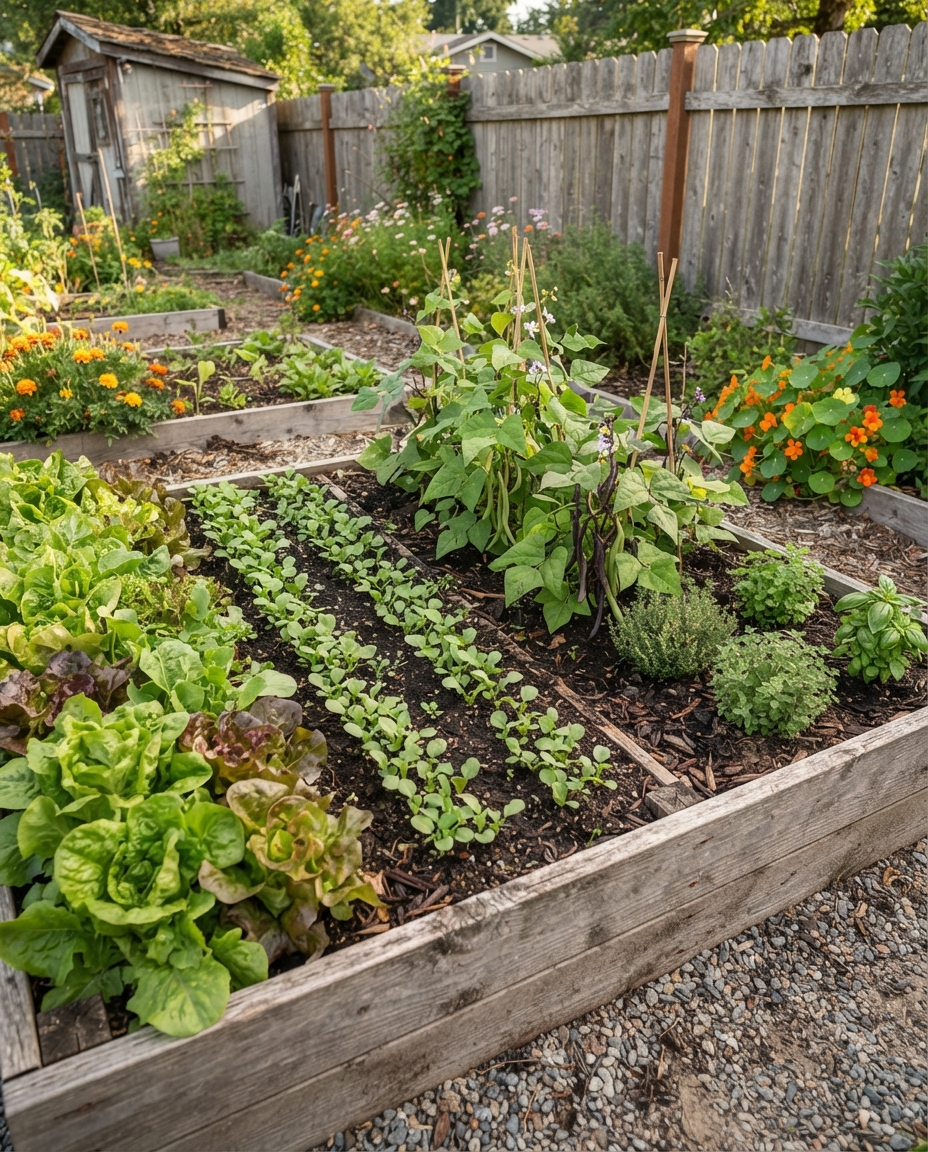
The key is planning the next planting before the current crop is finished. Keep seeds ready and note roughly when individual sections are expected to become available. This prevents the familiar situation where a bed is harvested and then remains empty simply because no replacement was planned.
Succession planting also encourages smaller sowings. Rather than planting forty radishes simultaneously and harvesting all of them within a short window, smaller repeated plantings can produce a steadier supply.
For a small backyard, this is one of the most powerful productivity improvements because it creates more harvest from the same physical bed rather than demanding additional land.
Best for: Small-space gardeners, salad crops, radishes, greens, beans, and anyone who wants beds to remain active through more of the growing season.
How Wide Should a Raised Garden Bed Be?
Width matters more than many first-time raised-bed gardeners expect because it determines whether the center of the bed can actually be maintained without stepping onto the growing soil.
For a freestanding bed that can be approached from both sides, roughly three to four feet is a common practical range for many adults. The exact width should be based on your own reach rather than a fixed rule. Stand beside the proposed location and imagine reaching the center to remove a weed, tie a plant, harvest a pepper, or inspect a leaf without leaning heavily over the edge.
Beds accessible from only one side should generally be narrower because every plant must be reached from that same direction. This is particularly important for beds placed directly against fences or walls.
Children, gardeners with limited mobility, or anyone who prefers seated gardening may benefit from narrower beds or higher edges that reduce the amount of bending required. Productivity is not improved by squeezing in an extra foot of soil that cannot be comfortably reached. A slightly narrower bed that you maintain thoroughly will usually be more useful than a larger one with an inaccessible center.
How Deep Should Raised Beds Be?
There is no universal depth that every raised bed must have because different crops and sites create different requirements. A relatively shallow bed may work perfectly well for many herbs, greens, and compact vegetables when it sits over usable soil. Deeper beds become more useful when the soil underneath is poor, compacted, contaminated, paved, or otherwise unsuitable for roots, or when you specifically want to grow crops that benefit from a larger loose-soil volume.
The height of the bed also affects comfort. Taller beds require more material to fill but can reduce bending, which may be worth the additional cost for gardeners who want easier access.
Before building very deep beds throughout a small backyard, decide whether that depth is actually necessary. Filling every bed to a large height can become expensive, and some crops simply do not require it. A useful strategy is to vary bed depth according to purpose. A deeper bed can be reserved for root crops or large vegetables, while a shallower nearby bed holds herbs, lettuce, or strawberries.
The Best Layout for a Small Raised-Bed Garden
The most efficient layout begins with sunlight rather than aesthetics. Observe the backyard at different points during the day before placing permanent beds. Buildings, fences, mature trees, sheds, and neighboring structures can create shade patterns that are not obvious from a quick midday observation.
Once the strongest growing areas are identified, think about movement. Every bed should have a practical route for watering and harvesting, and the pathways should remain useful after the plants reach full size.
Tall structures such as trellises should be placed deliberately so that they do not unnecessarily shade lower-growing crops. Frequently harvested plants should be easy to reach, while crops that require less attention can occupy slightly less convenient locations. Keep water access in mind as well. A beautiful bed layout on the opposite side of the property from the nearest faucet may become frustrating surprisingly quickly.
Finally, leave some flexibility. Gardens change. One year you may grow six tomato plants; the next year you may want cucumbers, beans, flowers, or far more salad greens. Simple rectangular beds with adaptable supports usually remain useful longer than highly specialized permanent structures.
How to Get More Food From Each Raised Bed
Higher productivity does not mean planting as densely as physically possible. Overcrowded beds can create poor airflow, make harvesting difficult, increase competition for water and nutrients, and turn routine maintenance into a frustrating search through tangled foliage. Instead, productivity comes from using space intelligently.
Vertical growing is one strategy. Trellising cucumbers or beans frees soil around their base for appropriately sized companion crops. Succession planting is another. A bed that produces three carefully timed rounds of vegetables can provide more useful harvest than a bed that is planted densely once and then sits empty.
Fast-growing crops can sometimes occupy spaces that will eventually be needed by slower vegetables. Radishes or young greens, for example, may be harvested before a nearby crop expands into its mature footprint, as long as the arrangement does not interfere with the larger plant.
Harvesting also matters. Leafy crops grown for repeated cutting may continue producing over a period rather than being removed all at once, depending on the plant and conditions. The real goal is to minimize unused time and unusable space while still giving every crop enough room to remain healthy.
What to Grow in a Small Backyard Raised Garden
When garden space is limited, it is worth thinking about usefulness rather than simply growing crops because they are traditional vegetable-garden choices.
Start with foods you actually eat. If your household uses fresh herbs several times each week, a small herb bed may provide more practical value than a large section devoted to a vegetable nobody particularly enjoys. If salads are common, repeated plantings of lettuce, arugula, radishes, and green onions may deserve significant space.
Vertical crops can be particularly useful because they provide substantial growth without occupying the entire bed horizontally. Pole beans, properly supported cucumbers, peas, and trellised tomatoes can all help use height more effectively. Compact varieties can also make a significant difference. Some vegetables are bred specifically for containers, patios, and smaller gardens, allowing you to grow crops that would otherwise consume too much space.
Herbs, salad greens, peppers, radishes, carrots, strawberries, bush beans, and selected tomatoes are all common candidates for raised beds, but the best combination depends on climate, sunlight, bed depth, and personal preference. A productive small garden is not the one growing the greatest number of different plants. It is the one consistently producing things the household actually wants to harvest.
Materials to Consider for Raised Garden Beds
Wood remains one of the most common choices because it is straightforward to work with and fits naturally into many backyard landscapes. Longevity varies considerably by species, thickness, climate, soil contact, and construction quality, so it is worth balancing initial cost against how long you expect the structure to remain in place.
Metal raised beds are another option. Galvanized garden beds can provide a clean appearance and are available in many modular shapes and heights. They can be particularly useful when you want a long-lasting structure without building wooden boxes from scratch.
Masonry, brick, stone, and concrete block can create more permanent beds, although installation requires more work and the finished structure is difficult to move if the garden layout changes later.
Whatever material you choose, avoid using questionable salvaged materials when you do not know how they were treated or what substances they previously contained. A vegetable bed is not the best place to experiment with unknown painted, chemically contaminated, or industrial scrap materials simply because they are inexpensive.
The best material is ultimately one that fits your budget, climate, desired appearance, construction ability, and expected lifespan.
Mistakes That Make Small Raised-Bed Gardens Less Productive
The first common mistake is building too much garden at once. Several empty raised beds may look exciting during construction, but every additional square foot needs soil, irrigation, planting, weeding, harvesting, and seasonal maintenance. Starting with a manageable number of beds often produces better results than creating a garden that immediately becomes overwhelming.
The second is ignoring mature plant size. A tiny tomato seedling in spring can make an enormous amount of nearby space look empty, encouraging gardeners to place several other crops too close around it. By midsummer, the bed can become a wall of foliage with poor access.
Another mistake is making paths too narrow. Empty beds do not intrude into the walkway, but mature squash leaves, tomato stems, cucumber vines, and flowers frequently do. Leave enough room for the garden to grow outward without eliminating your ability to move through it.
Finally, do not forget irrigation and harvesting when designing the layout. The prettiest arrangement in a photograph is not automatically the most practical arrangement in real life. If you cannot comfortably water, prune, inspect, and harvest every section, the design is wasting some of the space it was supposed to optimize.
FINAL THOUGHTS
A productive backyard garden does not begin with the biggest raised bed you can fit into the yard. It begins with deciding how every part of the space should work.
A narrow bed along a fence can turn an unused edge into a row of herbs and vegetables. A trellis can move cucumbers and beans upward instead of allowing them to consume valuable ground space. A salad bed can provide repeated harvests from a surprisingly small footprint, while succession planting keeps the same soil working long after the first crop has been removed.
Even the paths contribute to productivity when they make watering, harvesting, and maintenance easier. That is what makes raised beds so useful in small yards: they create structure. Instead of asking a limited backyard to behave like a large traditional garden, you can design each section according to what the space can realistically support.