Opening the nest box and finding fewer eggs than usual can be confusing, especially when your hens appear perfectly healthy. A flock that normally gives you five or six eggs a day may suddenly produce two, one, or none, making it easy to assume that something must be seriously wrong. In reality, egg production is influenced by many factors, and several of the most common causes are completely normal parts of a hen’s life.
Day length, molt, broodiness, and age can all reduce production even when the flock is receiving excellent care. At other times, the cause is management-related. A sudden shortage of water, too many treats, extreme heat, predator pressure, parasites, or disease can also cause hens to slow down or stop laying because egg production is one of the first things the body can reduce when conditions become unfavorable.
Oregon State University Extension identifies decreasing day length, disease, broodiness, poor nutrition, and stress among the major reasons hens stop laying. It also emphasizes that even under ideal conditions, every hen’s production gradually declines as she gets older.
That means troubleshooting should begin with the overall pattern rather than one isolated missing egg. If the whole flock slows down at the same time in autumn, daylight and molt become obvious possibilities. If one hen stops while sitting constantly in a nest box, broodiness is more likely. If production drops suddenly during a heat wave or after the waterer runs dry, environmental stress deserves immediate attention.
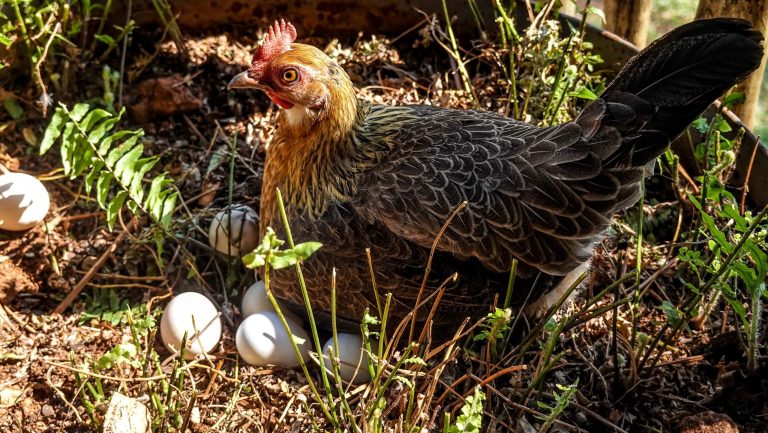
It is also worth confirming that the eggs are genuinely missing. Free-ranging hens sometimes choose hidden nests, eggs can be broken or eaten before collection, and predators may occasionally remove them. A declining egg basket does not always mean the reproductive system itself has stopped working.
The ten causes below will help you work through the most common possibilities in a logical order and decide when the situation is normal, when management needs to change, and when a bird may need veterinary attention.
1. The Days Are Getting Shorter
Seasonal daylight is one of the most common reasons a healthy flock suddenly produces fewer eggs in fall and winter. Chickens are strongly influenced by photoperiod, meaning the number of light hours they receive each day. As days shorten, reproductive hormone activity changes and egg production naturally decreases.
University of Minnesota Extension notes that hens generally need around 12 to 14 hours of light each day to maintain production, while Oregon State describes more than 12 hours as necessary for continued laying and says 14 to 16 hours is commonly used in managed lighting programs. Penn State’s updated 2025 guidance likewise explains that declining photoperiod is the main reason many hens slow down or stop during fall and winter.
If production falls gradually as autumn progresses while the hens remain active, eat normally, maintain body condition, and show no obvious signs of illness, the change may simply reflect the season. That is especially likely when several birds reduce laying at approximately the same time.
Some owners choose to provide supplemental light to maintain winter production, while others allow hens to follow their natural seasonal cycle. Either approach requires thoughtful management. If you do use supplemental lighting, consistency matters because suddenly decreasing the established lighting period can itself disrupt production.
Using a timer to provide additional morning light is generally more practical than abruptly switching lights off after dark, since chickens naturally settle onto their roost as daylight fades.
What to Check
Compare your current egg count with the amount of natural daylight your flock receives. If the decline began as days shortened and the birds otherwise appear healthy, reduced photoperiod should be near the top of your list.
2. Your Hens Are Molting
A hen cannot invest unlimited resources into everything at once. During molt, her body begins replacing old feathers, and much of the energy and protein that previously supported egg production is redirected toward growing new plumage.
Natural molt is strongly associated with seasonal changes in daylight and frequently occurs in fall. Mississippi State Extension explains that most hens stop producing eggs until the molt is completed, although the duration and severity of the pause can vary considerably between individual birds.
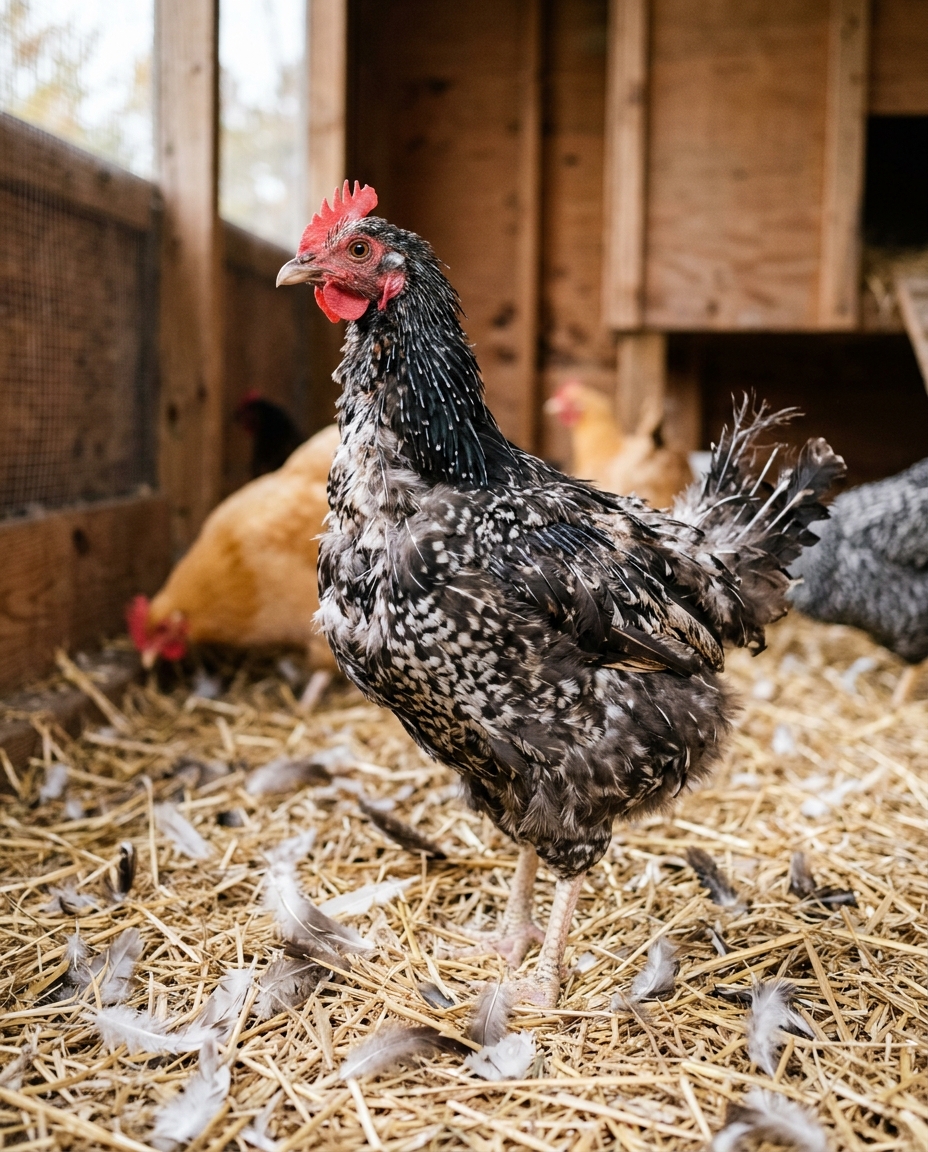
You may first notice extra feathers scattered around the coop and run. A molting hen can look ragged, with new pin feathers appearing as older feathers fall. Production may decline before feather loss becomes dramatic, so the connection is not always immediately obvious.
Molt should not be confused with localized bald spots caused by feather pecking, parasites, mating damage, or injury. Oregon State specifically notes that normal molt does not typically create isolated bare patches in the way feather picking can.
Continue providing an appropriate complete ration and clean water rather than trying to force hens back into production with excessive treats or supplements. Feather growth already places nutritional demands on the bird, so diluting the balanced ration with large quantities of scratch grain can work against the goal.
Once molt is complete and other conditions such as daylight are favorable, production can gradually return.
3. One or More Hens Have Gone Broody
A broody hen is not trying to produce another breakfast egg. Her hormones have shifted toward incubating the eggs she believes should become chicks, and active laying usually stops while she remains broody.
Broodiness is easy to recognize once you know the pattern. A hen may remain in the nest box for much of the day, flatten herself over the nest, puff her feathers when approached, make distinctive defensive sounds, or repeatedly return to the same nest even after you remove her eggs.
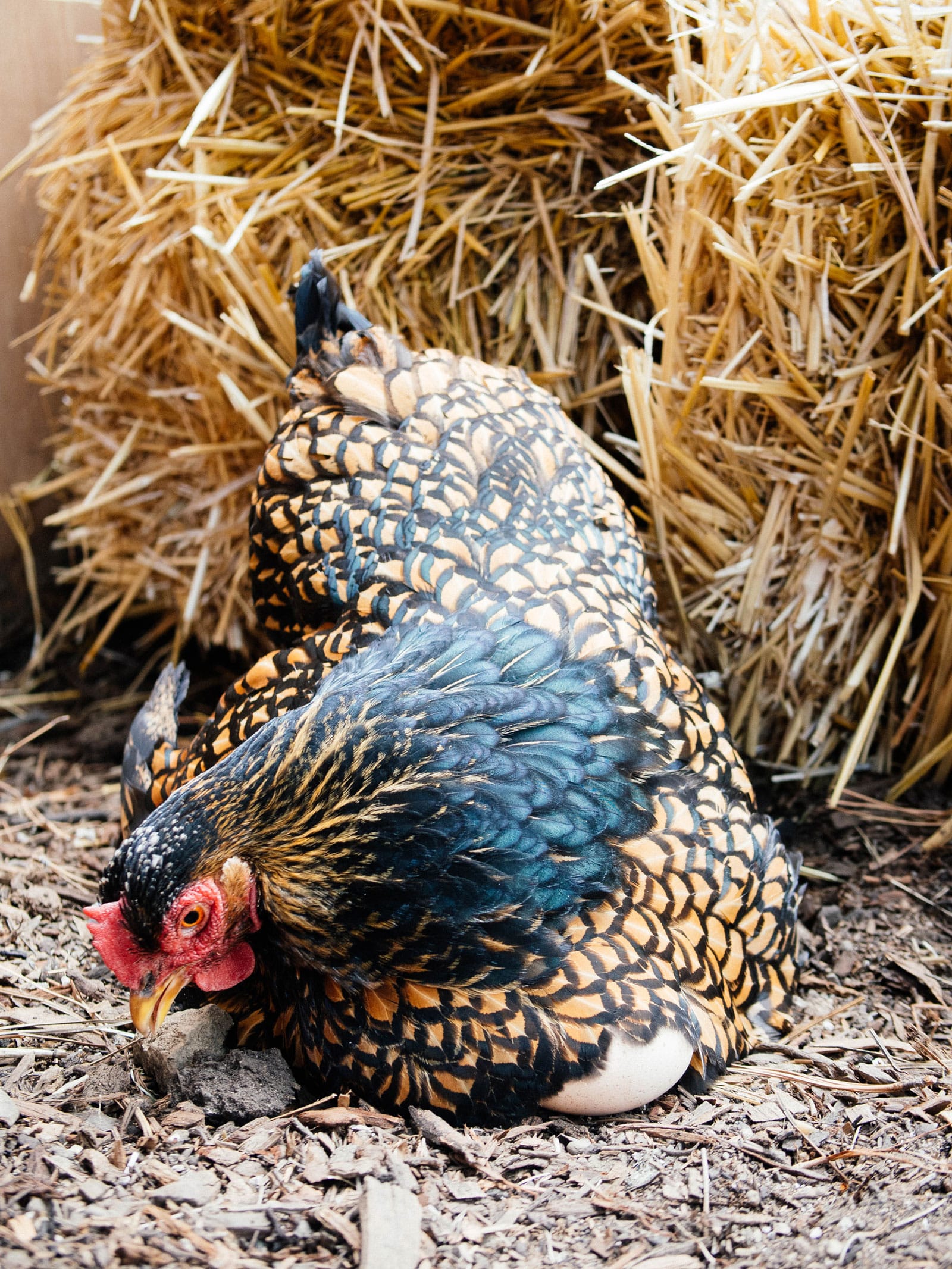
Oregon State explains that hormonal changes associated with broodiness result in cessation of laying. Some breeds are far more prone to the behavior than others, with breeds such as Silkies and Cochins generally showing stronger broody tendencies than high-production breeds such as Leghorns.
If you want the hen to hatch fertile eggs and are prepared to manage chicks, broodiness can be useful. If chicks are not part of your plan, collecting eggs regularly and interrupting prolonged nest occupation can help prevent or shorten the behavior.
One broody hen will not normally explain why an entire flock of ten suddenly stops laying, however. Count the individual birds using nest boxes and observe their behavior before attributing a flock-wide decline to broodiness.
4. The Hens Are Simply Getting Older
Egg production changes substantially with age. Young hens generally reach their strongest production during their first laying cycles, while older hens continue producing but usually lay fewer eggs and take longer seasonal breaks.
University of Minnesota Extension notes that hens can continue laying for five to ten years but that peak production occurs during the first two years. Oregon State similarly explains that production generally declines after the first few productive years as hens age.
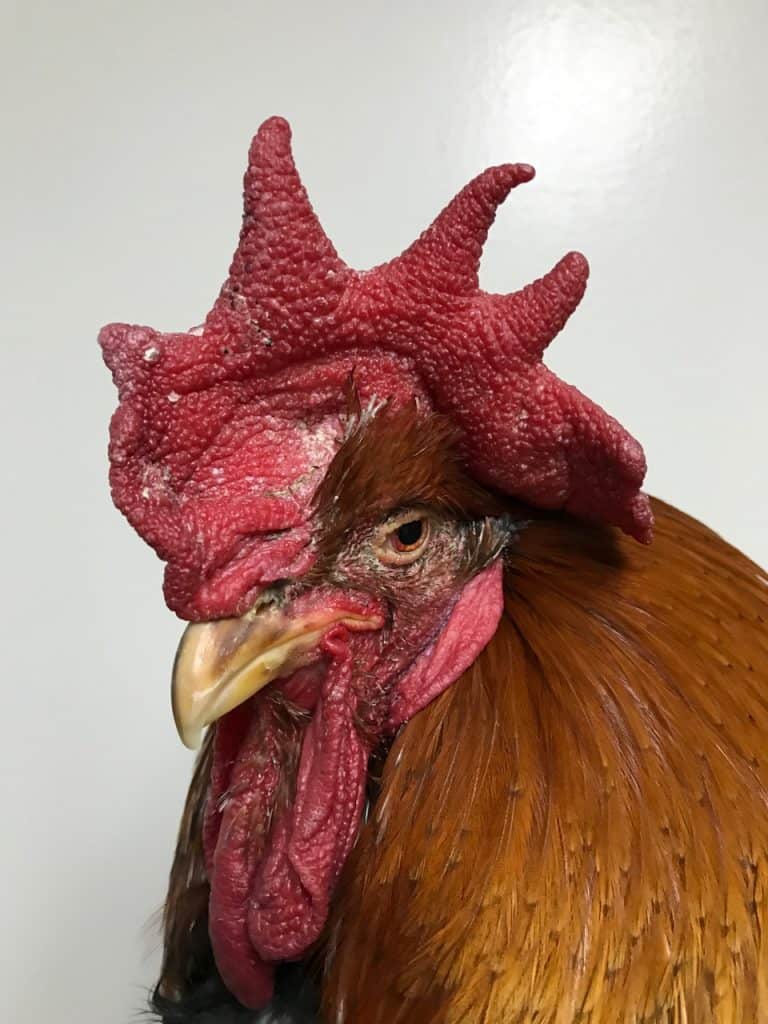
This decline does not necessarily mean anything is wrong with an older hen. She may remain active, healthy, and useful within the flock while producing considerably fewer eggs than she did as a pullet.
Older hens also tend to experience more noticeable production interruptions around molt. Their laying cycles become less efficient, and they may take longer to return to production afterward.
If you purchased chicks or pullets together several years ago, age can affect much of the flock at approximately the same time. That can make the change feel sudden even though it represents a normal long-term decline.
Keep age records if egg production matters to your goals. Knowing whether a hen is eight months old, two years old, or five years old provides important context when you are trying to interpret changes in laying.
5. Their Diet Has Become Unbalanced
Laying an egg repeatedly requires a substantial supply of energy, amino acids, minerals, and vitamins. A hen can therefore reduce production even while appearing to eat plenty if much of what she eats is nutritionally incomplete.
A commercial layer ration is formulated to provide the appropriate balance for actively laying hens. Problems often begin when scratch grain, corn, kitchen scraps, bread, mealworms, garden leftovers, or other extras gradually become a significant proportion of the diet.
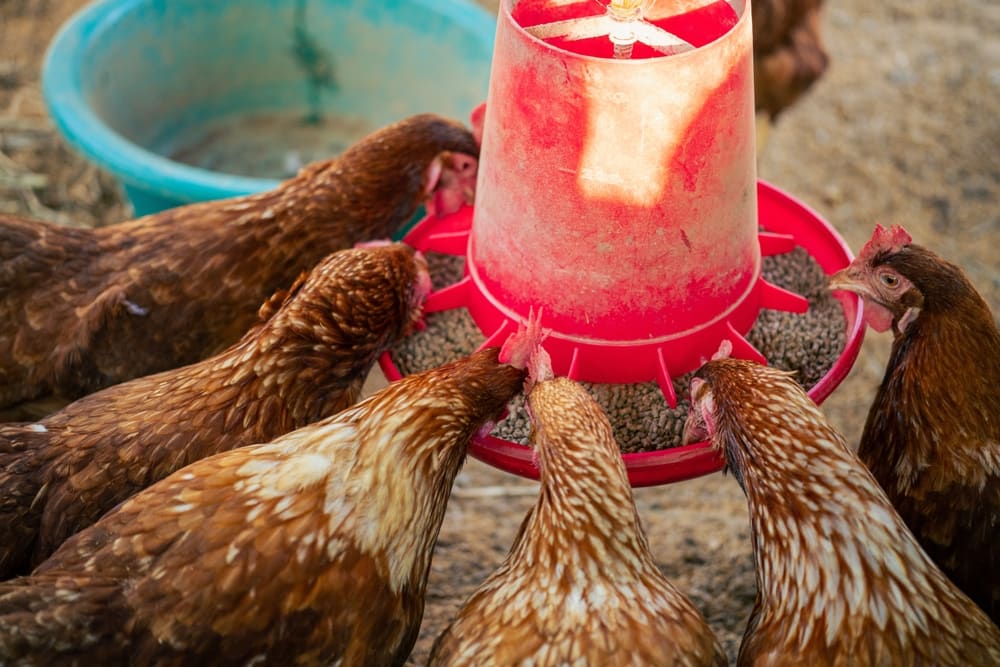
Oregon State warns that supplementing a balanced laying ration with excessive scratch, table scraps, or garden waste can unbalance the diet. Mississippi State likewise recommends providing a high-quality layer ration freely rather than restricting hens or diluting their diet with additional grains.
This can be deceptive because chickens often prefer treats. A flock may rush toward scratch with enthusiasm while leaving some of its complete feed untouched, giving the impression that the birds are eating extremely well. Enthusiasm does not mean the food supplies everything required for continued production.
Check that actively laying adult hens are receiving a ration intended for layers and that the feed is fresh, dry, and consistently accessible. If most of their calories come from other foods, gradually return the complete ration to the center of the feeding program.
Calcium also matters for shell formation, but simply adding more calcium will not correct a diet that is deficient or diluted in other nutrients. The entire ration needs to remain balanced.
6. The Water Supply Was Interrupted
Water is easy to overlook because it does not come in a colorful feed bag, yet an interruption can reduce egg production remarkably quickly. Eggs contain a large amount of water, and hens need continuous access for digestion, temperature regulation, circulation, and normal reproductive function.
Mississippi State’s poultry guidance notes that if water is restricted or unavailable for prolonged periods during the day, egg production soon drops. Oregon State also lists lack of water among the stresses capable of disrupting laying.
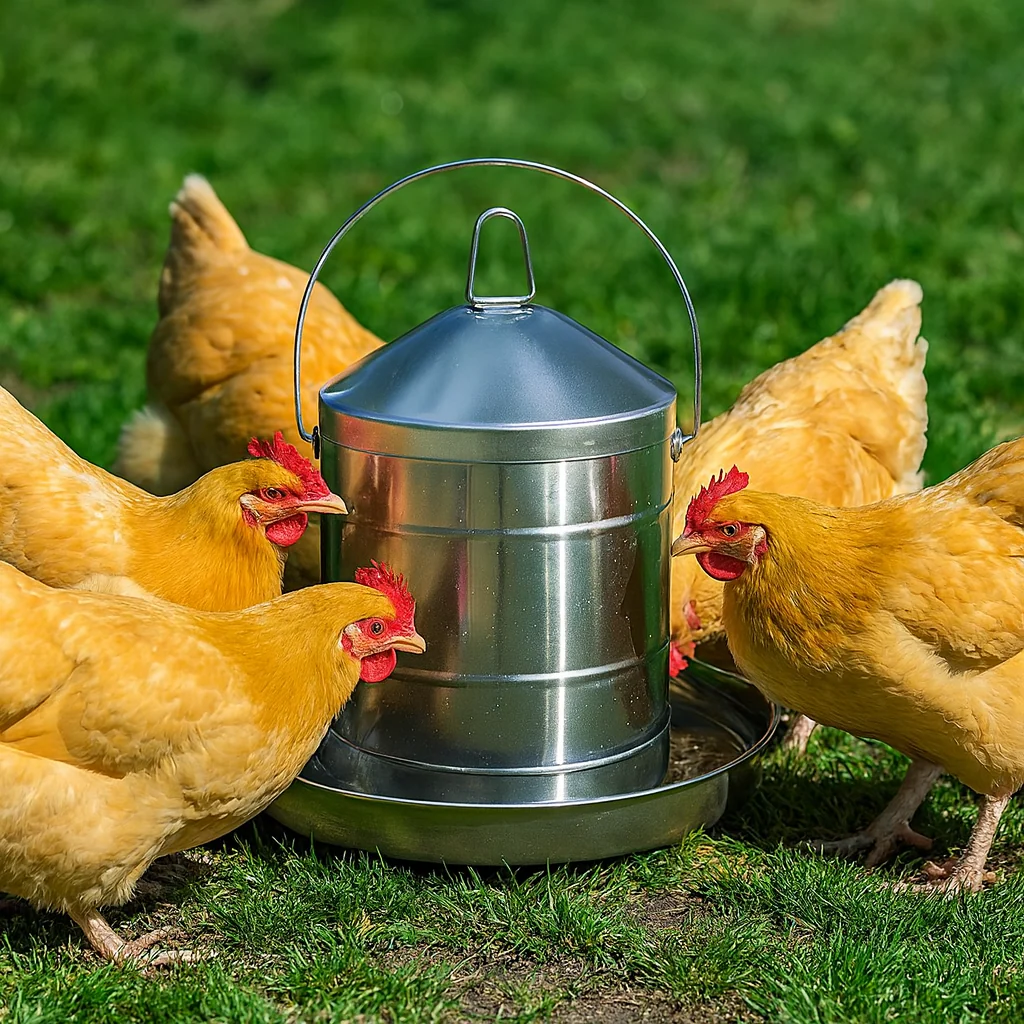
The cause may be obvious, such as an empty waterer, but subtle failures are common. Nipple drinkers can become blocked, containers can tip over, water may freeze in winter, algae or debris may contaminate the supply, and dominant birds may prevent timid hens from reaching an inadequately sized watering station.
During hot weather, water problems become even more serious because consumption increases while hens are also relying on evaporation and panting to regulate body temperature.
If egg production drops unexpectedly, inspect the water system before experimenting with supplements. Make sure every bird can drink, the equipment is actually functioning, and the water is clean enough that the flock is willing to consume adequate quantities.
Correcting water access does not necessarily produce an immediate egg the next morning. The hens may need time to recover from the stress and resume their reproductive cycle.
7. Extreme Heat Is Suppressing Production
A summer heat wave can cause an otherwise productive flock to slow down considerably. Chickens do not sweat, so they rely heavily on panting and behavioral changes such as seeking shade and reducing activity to keep their body temperature under control.
High environmental temperatures often reduce feed intake as well. Mississippi State explains that poultry under hot conditions divert resources toward maintaining body temperature and commonly show lower egg production, while high humidity makes cooling even more difficult.
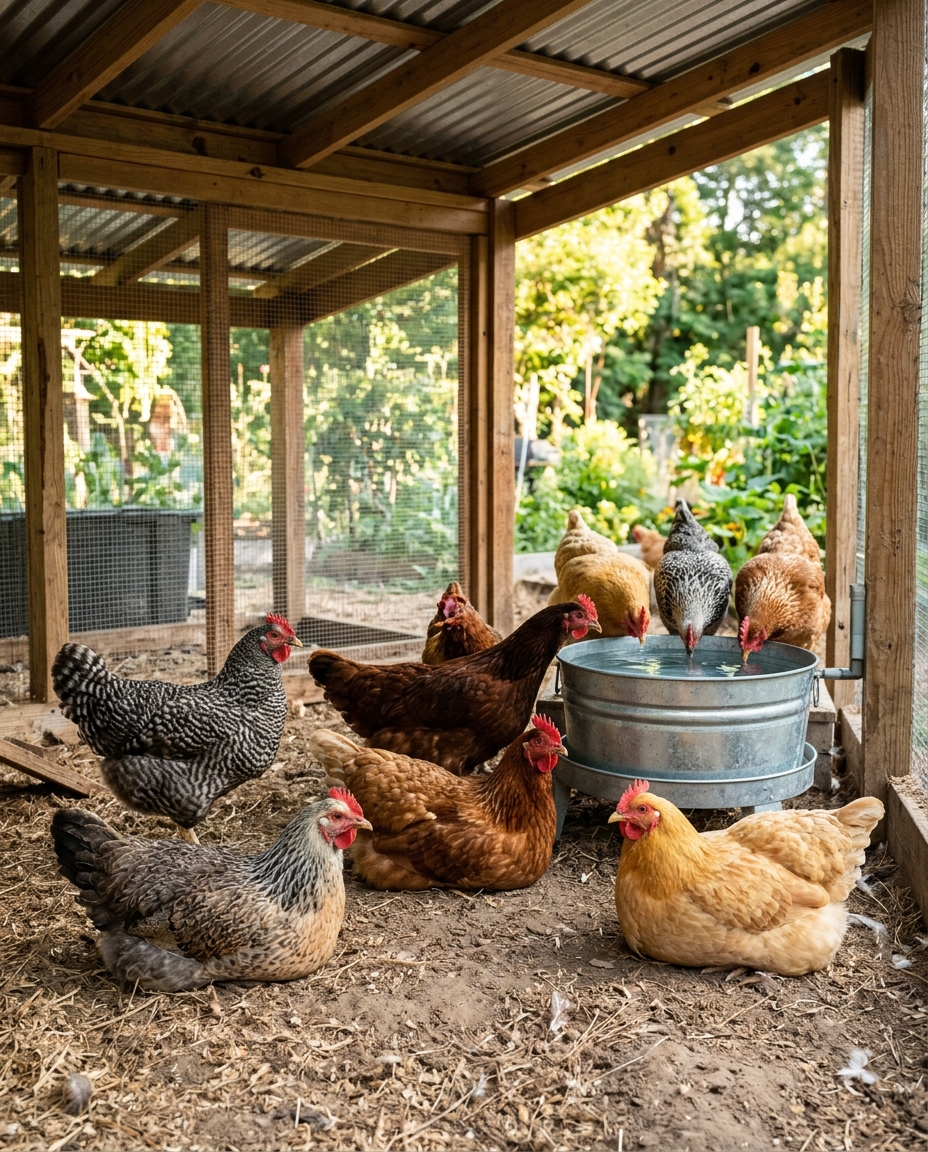
Watch for birds holding their wings away from the body, panting heavily, congregating in shade, drinking unusually large amounts, or reducing feed consumption. Those signs make heat a more likely explanation for a simultaneous production drop.
Provide plentiful cool drinking water, shade, airflow, and enough space for birds to avoid crowding. Avoid creating additional stress by chasing or handling hens during the hottest part of the day.
Do not attempt to compensate for reduced feed intake by filling the flock with fruit or other treats. While small appropriate treats can be used for enrichment, hens experiencing heat already eat less complete feed, so further diluting the ration can reduce nutrient intake even more.
Severe heat stress can become a medical emergency rather than simply an egg-production problem. Birds showing extreme weakness, collapse, severe respiratory distress, or neurological abnormalities need urgent attention.
8. Something Has Recently Stressed or Frightened the Flock
A hen does not need to be physically sick to stop laying. Egg production is biologically expensive, and the reproductive system can slow when the bird perceives that conditions are unstable.
Oregon State lists moving, handling, overheating, fright, and lack of food or water among stresses capable of reducing or stopping egg production. Changes that seem small to a keeper can therefore have a larger effect on the flock than expected.
Common backyard examples include moving hens into a new coop, introducing several new birds, repeated predator visits, a dog chasing the flock, construction beside the enclosure, sudden confinement after a period of free ranging, or major changes in the social hierarchy.
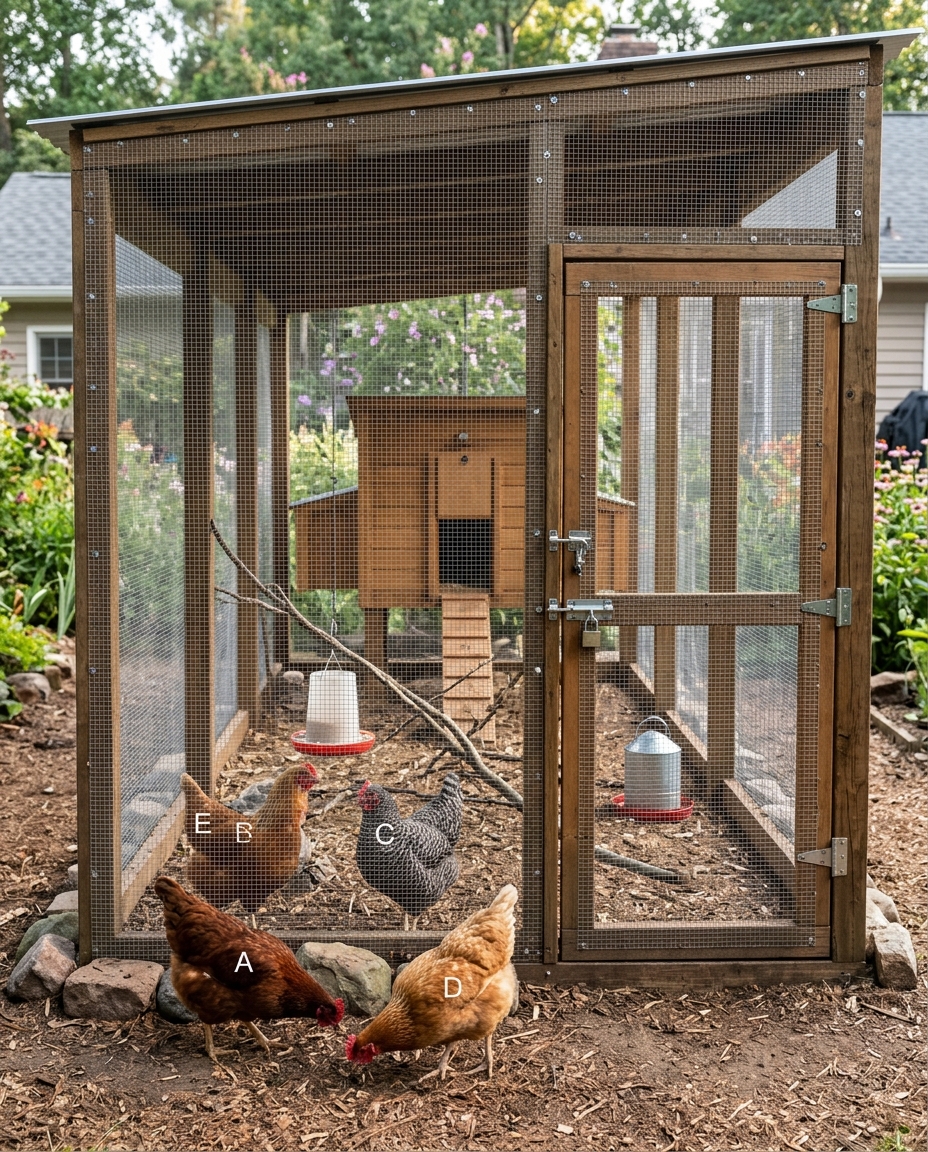
Predator pressure deserves particular attention because a flock can be stressed without losing a single bird. A fox or raccoon repeatedly circling the run at night may leave tracks or disturbed fencing while the hens appear physically unharmed the following morning.
Look for changes in behavior alongside the egg decline. Nervous birds may hide more, hesitate to leave the coop, become unusually vocal, pile together, or start pecking one another.
Once the stressor is removed, production may recover gradually rather than instantly. Maintain a stable routine, good predator protection, reliable food and water, and adequate space while the flock settles.
9. Parasites or Illness Are Affecting the Flock
A fall in egg production can sometimes be the first visible indication that a hen is not well. This is why unexplained declines deserve more attention when they are accompanied by changes in appetite, body condition, droppings, breathing, movement, or behavior.
External parasites can reduce production substantially when infestations become heavy. Mississippi State reports that northern fowl mites, chicken mites, and lice can cause irritation, blood loss, poor condition, and decreased egg production. Heavy internal parasite burdens can also interfere with health and productivity.
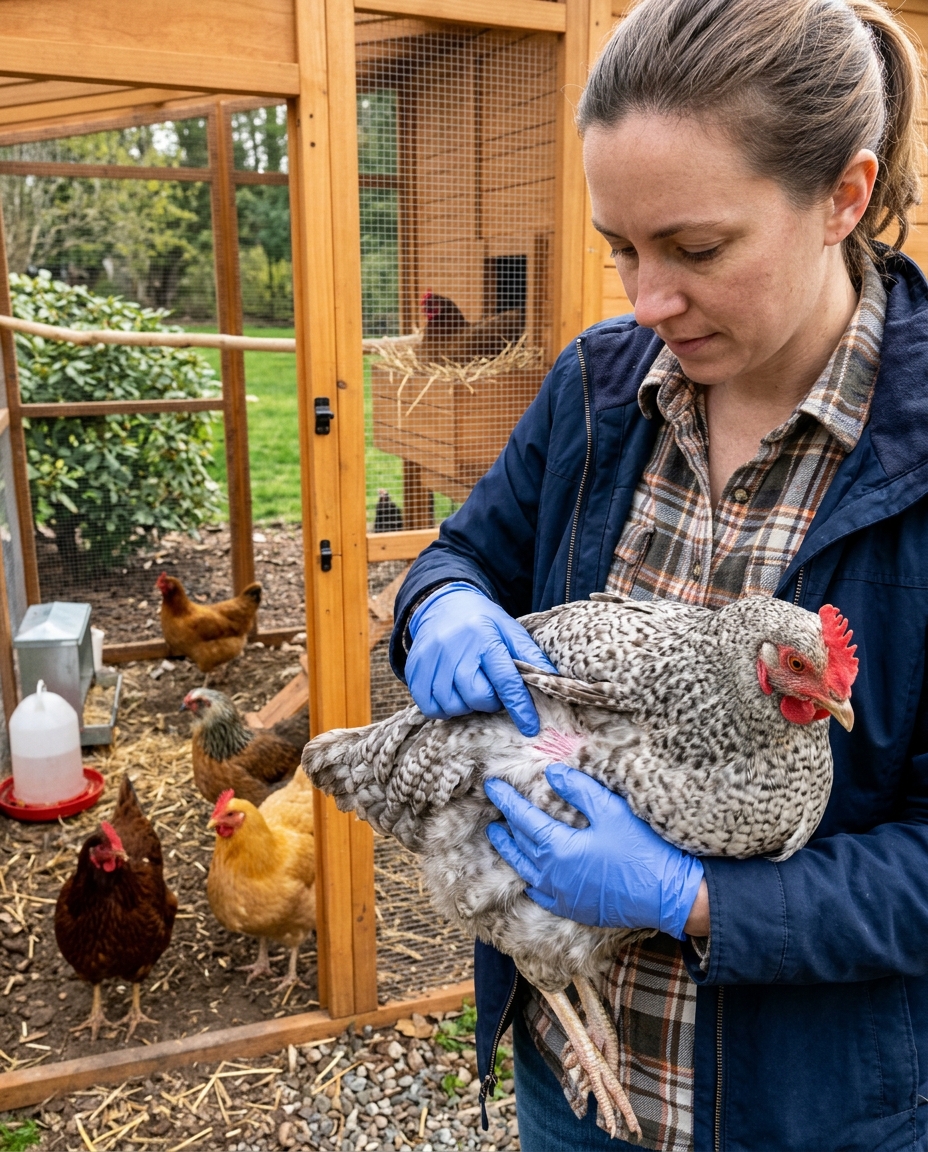
Inspect hens periodically rather than waiting for severe infestation. The vent area, feather bases, skin, legs, roost cracks, nest boxes, and dark crevices can all reveal evidence depending on the parasite involved. Some mites feed primarily at night, so daytime inspection of the bird alone may miss them.
Disease can also reduce laying. Mississippi State lists decreased egg production alongside warning signs such as coughing, sneezing, nasal discharge, watery eyes, reduced feed and water intake, depression, lethargy, and increased mortality.
One otherwise healthy hen producing fewer eggs does not automatically indicate disease. A flock-wide sudden decline accompanied by respiratory signs, diarrhea, unusual neurological behavior, marked lethargy, or unexpected deaths is very different and warrants prompt professional evaluation.
Avoid guessing at medications or repeatedly treating the entire flock for parasites without confirming what problem you are dealing with. Appropriate treatment depends on the organism involved, the products legally available where you live, and egg-withdrawal requirements where applicable.
10. The Hens May Still Be Laying—You’re Just Not Finding the Eggs
Before concluding that production has stopped, confirm that the eggs are actually missing.
Free-ranging hens sometimes decide that a hedge, hay pile, storage corner, planter, or patch beneath a shed is preferable to the nest boxes you carefully built for them. Once one hen establishes a hidden nest, other hens may begin using the same location, making a flock-wide production drop seem much more dramatic than it really is.
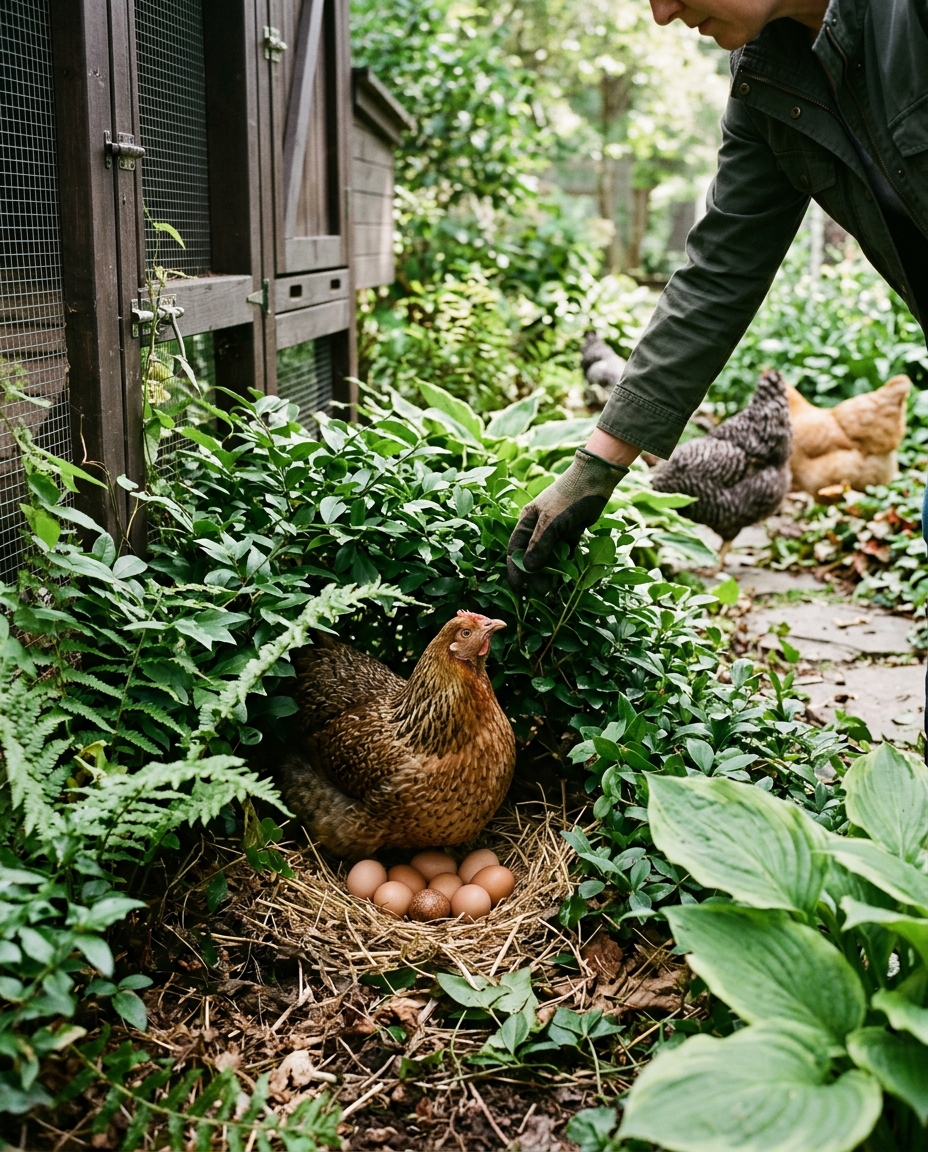
Egg eating can produce a similar mystery. Mississippi State notes that eggs left in nests for long periods have a greater chance of being broken and consumed and recommends regular collection, adequate nest space, good nesting material, balanced nutrition, and plenty of clean water as management measures.
Look for shell fragments, wet yolk residue, stained nesting material, or hens lingering in nest boxes after other birds lay. Also check whether rats, snakes, or other predators could be reaching eggs.
If your hens free-range, temporarily observing where each bird goes during the morning can reveal an unexpected laying spot. Penn State notes that most chickens finish laying before noon, so this is often the most useful period to watch them.
Nest-box management can encourage hens to lay where you want them. Keep boxes clean, dry, relatively private, and easy to access. Penn State recommends approximately one nest box for every four hens and regular egg collection to reduce breakage, broodiness, and egg eating.
Start With the Pattern Before You Change Anything
When egg production falls, changing feed, adding supplements, installing lighting, treating for parasites, and rearranging the coop all at once makes troubleshooting much harder. Begin by looking for a pattern.
A slow decline in autumn across the whole flock strongly suggests daylight, molt, or both. A single hen sitting persistently in a nest box suggests broodiness. Older birds gradually producing fewer eggs points toward age, while a sudden flock-wide change after a heat wave, water outage, predator scare, or move suggests environmental stress.
Disease becomes more concerning when the production decline appears alongside physical or behavioral abnormalities. Hidden nests become more likely when hens remain healthy, active, well-fed, and seemingly productive but eggs simply disappear from the usual boxes.
Quick Troubleshooting Guide
| What You Notice | First Causes to Consider |
|---|---|
| Whole flock slows in autumn | Daylight + molt |
| Feathers everywhere | Molt |
| One hen refuses to leave nest | Broodiness |
| Older flock gradually lays less | Age |
| Lots of scratch and scraps | Dietary imbalance |
| Waterer was empty or frozen | Water interruption |
| Production falls during heat wave | Heat stress |
| Drop follows move/predator event | Stress |
| Weight loss, pale combs, itching | Parasites or illness |
| Healthy hens but no eggs in boxes | Hidden nests or egg eating |
This approach prevents normal seasonal biology from being mistaken for disease while also making it less likely that a genuine flock-health problem will be ignored.
How Much Does Age Affect Egg Production?
Hens do not maintain their first-year production rate indefinitely. University of Minnesota describes the first two years as the peak period for many laying hens, even though healthy birds may continue producing eggs for many more years.
That difference is important when comparing backyard flocks. A four-year-old heritage hen may still produce a useful number of eggs, but expecting her to match a young high-production layer can make completely normal output look like a problem.
Breed matters as well. Some chickens have been selected strongly for egg production, while others are kept primarily for appearance, meat characteristics, broodiness, temperament, or dual-purpose use. Individual variation within a breed can also be substantial.
If maintaining a particular number of eggs is important to your household, knowing the ages and breeds in your flock is more useful than simply counting how many hens you own.
Should You Add Supplemental Light in Winter?
Supplemental lighting can maintain winter egg production, but it is a management choice rather than something hens must have in order to remain healthy.
Penn State’s 2025 guidance explains that natural egg production declines when photoperiod falls and notes that hens allowed to molt naturally can return to production as days lengthen. If continuous winter production is a goal, supplemental lighting can be used to maintain a longer photoperiod.
If you choose this approach, use a timer and maintain a consistent schedule. Adding light before sunrise generally allows the flock to experience natural sunset, making it easier for birds to settle onto their roost before darkness. University of Minnesota recommends this morning-light approach for winter management.
Avoid suddenly extending extremely short days to very long ones or constantly changing the timer. Lighting programs work best when they are gradual and predictable.
If maximum winter egg production is not important to you, allowing hens to experience the natural seasonal slowdown is also a reasonable backyard-flock strategy.
How Molt and Daylight Work Together
Molt and short daylight often occur together, which is why autumn egg production can decline so sharply. Reduced day length changes reproductive hormone activity, while feather replacement redirects nutritional resources away from egg production.
This can make it difficult to identify one single cause because there may not be one. A hen can respond to decreasing light, enter molt, and experience colder weather at approximately the same time.
Trying to reverse that entire process by feeding large quantities of high-protein treats is unlikely to solve it. A complete balanced ration should remain the nutritional foundation while the hen grows new feathers.
Some birds return to production quickly after molt, while others remain slow until daylight becomes more favorable. Age and breed add even more variation, so two hens living in the same coop may follow noticeably different schedules.
What to Check When Egg Production Drops Suddenly
A sudden decline deserves a different approach from a gradual seasonal slowdown.
Begin with water because an empty, frozen, blocked, or contaminated water source can affect the flock quickly. Then inspect the feeder and confirm that birds have access to the correct ration.
Walk the run and coop for signs of a predator visit, damaged fencing, sudden construction noise, or another major disturbance. If weather has been unusually hot, observe the flock for heat stress.
Next, inspect several hens physically. Look at body condition, comb color, eyes, nostrils, breathing, droppings, feathers, and the vent area. Check roost cracks and nest boxes for evidence of mites.
Finally, search for eggs outside the normal boxes. If the hens free range, watch where they disappear during the morning.
Working through those possibilities in order is much more useful than immediately buying supplements.
Signs That a Production Drop May Need Veterinary Attention
A reduction in egg production by itself is often not an emergency. The combination of reduced production with illness signs is much more important.
Pay closer attention if hens are lethargic, stop eating or drinking, lose weight, develop persistent diarrhea, cough, sneeze, show nasal or eye discharge, breathe with difficulty, develop neurological abnormalities, or if multiple birds become sick at the same time. Unexpected mortality is another reason to seek professional help quickly.
Reproductive problems in an individual hen can also stop laying. A bird that repeatedly strains, adopts an unusual upright posture, has a swollen abdomen, remains isolated, or appears visibly uncomfortable should not simply be labeled an “old hen who stopped laying.”
In those situations, correcting lighting or offering oyster shell is not an adequate substitute for diagnosis.
Don’t Assume More Calcium Will Fix Every Egg Problem
Calcium is essential for eggshell formation, but a reduction in the number of eggs does not automatically mean a calcium deficiency.
Layer feed already contains increased calcium for actively laying hens, and supplemental oyster shell is commonly provided separately for birds that require additional calcium. The rest of the diet still needs appropriate energy, protein, amino acids, vitamins, phosphorus, and other nutrients.
If a hen has completely stopped producing eggs because she is broody, molting, stressed, ill, or responding to short daylight, adding large amounts of calcium will not restart her reproductive cycle.
Treat calcium as one component of proper laying-hen nutrition rather than a universal egg-production remedy.
How Long Does It Take Hens to Start Laying Again?
There is no single recovery time because the answer depends entirely on why the hen stopped.
A brief stress event may produce a relatively short interruption. A seasonal molt can stop laying for weeks or longer, with Mississippi State describing molts that may take two to three months in some later-molting birds and substantially longer in slower molters.
Broody hens generally remain out of production while broodiness continues and need time afterward to return to their normal cycle. Seasonal daylight reductions may keep production low until days lengthen unless a carefully managed lighting program is used.
Older hens may never return to the production level they achieved as young birds because declining output is part of normal aging.
This is why “How do I make her lay again?” is usually the wrong first question. Identifying why she stopped is more useful.
Common Mistakes When Troubleshooting a Non-Laying Flock
The first mistake is assuming something is wrong because the flock does not produce the same number of eggs every day of the year. Egg laying naturally changes with season, age, molt, breed, and individual biology.
The second is trying several remedies simultaneously. If you change the feed, add light, give multiple supplements, treat for parasites, and rearrange the housing in the same week, you may never know which change mattered.
Another mistake is equating treats with nutrition. Mealworms, corn, kitchen scraps, and scratch may all be useful in modest quantities, but a hen that fills up on extras can consume less of the balanced ration that supports sustained production.
Finally, many owners focus entirely on the hen while ignoring where the eggs might actually be. Searching the property and checking for egg eating can sometimes solve the mystery without changing anything about the birds themselves.
10 Reasons Hens Stop Laying at a Glance
| Reason | Normal or Concerning? | Main Clue |
|---|---|---|
| Shorter daylight | Usually normal seasonal change | Whole flock slows in fall/winter |
| Molt | Normal | Feather loss and new pin feathers |
| Broodiness | Normal behavior | Hen stays in nest |
| Age | Normal | Gradual decline in older birds |
| Poor nutrition | Management issue | Excess treats/wrong ration |
| Lack of water | Management issue | Empty, frozen, or blocked waterer |
| Heat stress | Environmental issue | Panting, reduced feed intake |
| Stress or fright | Environmental issue | Recent move, predator, flock change |
| Parasites or disease | Potential health problem | Other physical/behavioral signs |
| Hidden/eaten eggs | Management issue | Healthy hens but empty nest boxes |
Final Thoughts
When backyard hens stop laying, the first reaction does not need to be panic.
Several of the most common explanations are normal. Hens respond to shorter days, replace their feathers during molt, become broody, and gradually produce fewer eggs as they age. None of those processes automatically means the flock is unhealthy.
Management still matters. Consistent access to a balanced layer ration and clean water supports production, while heat, fear, sudden environmental changes, and excessive treats can all work against it. Parasites and disease deserve consideration when a production decline occurs alongside other signs of poor health.
Before changing anything, look at the pattern. Ask whether every hen slowed at once or just one bird, whether daylight has recently changed, whether feathers are appearing around the coop, whether one hen has become broody, and whether the flock experienced a heat wave, water shortage, predator scare, or diet change.
Then look beyond the nest box. A healthy free-ranging hen may simply have found a nesting spot you have not discovered, while broken or eaten eggs can disappear before you arrive to collect them.
The number of eggs in the basket is useful information, but it is only one part of flock health.
Watch the hens themselves.
A bright, active flock eating normally during a se